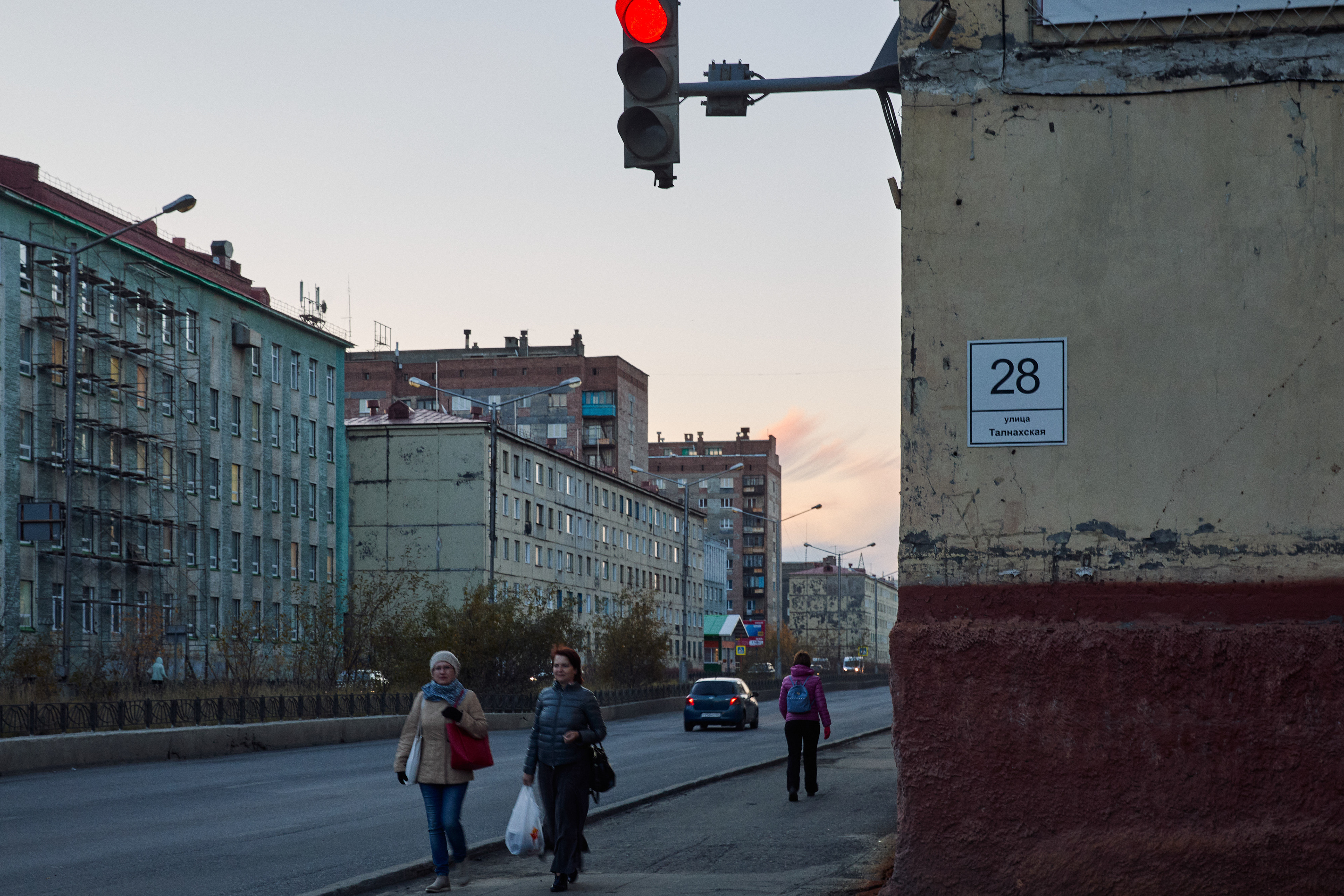
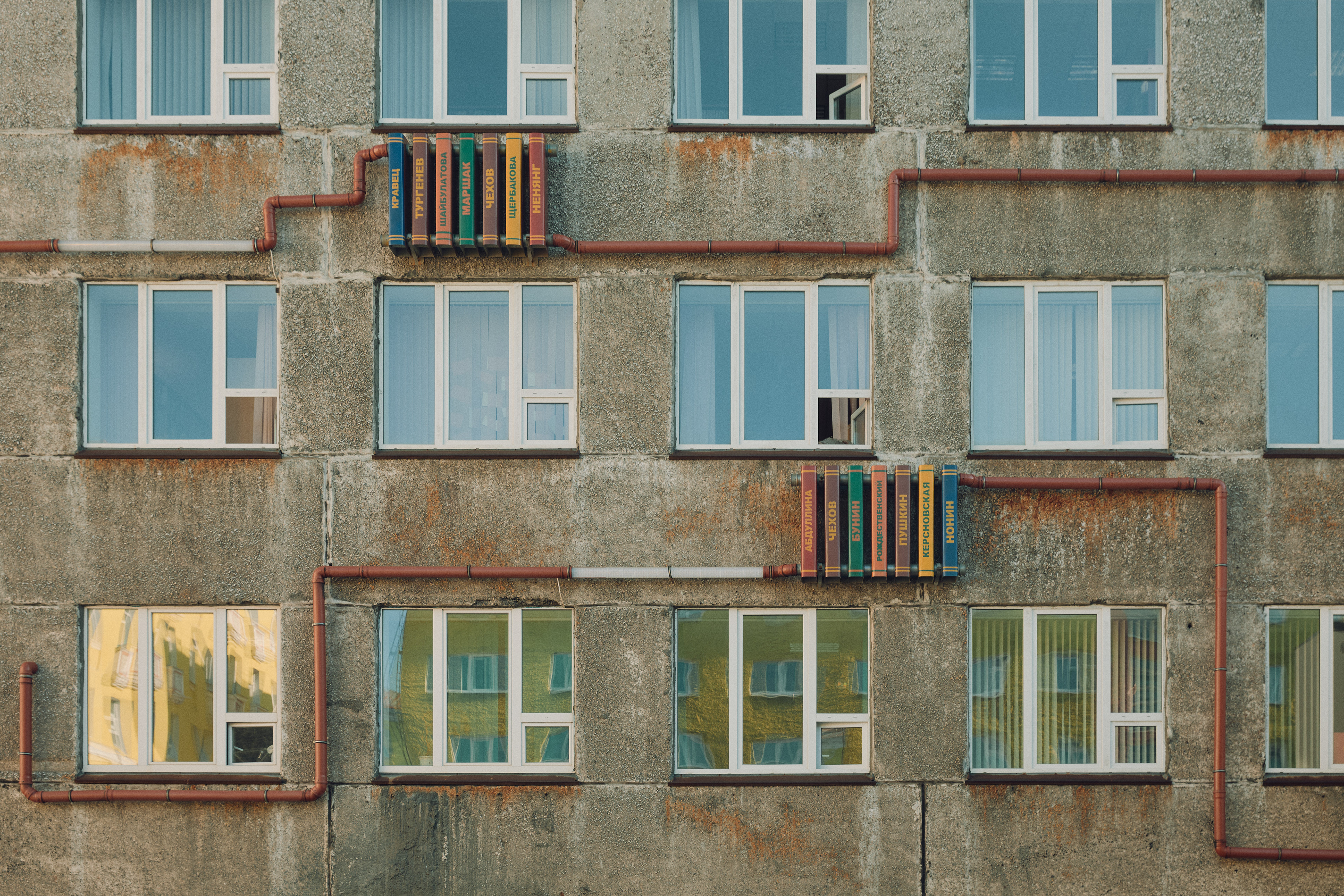
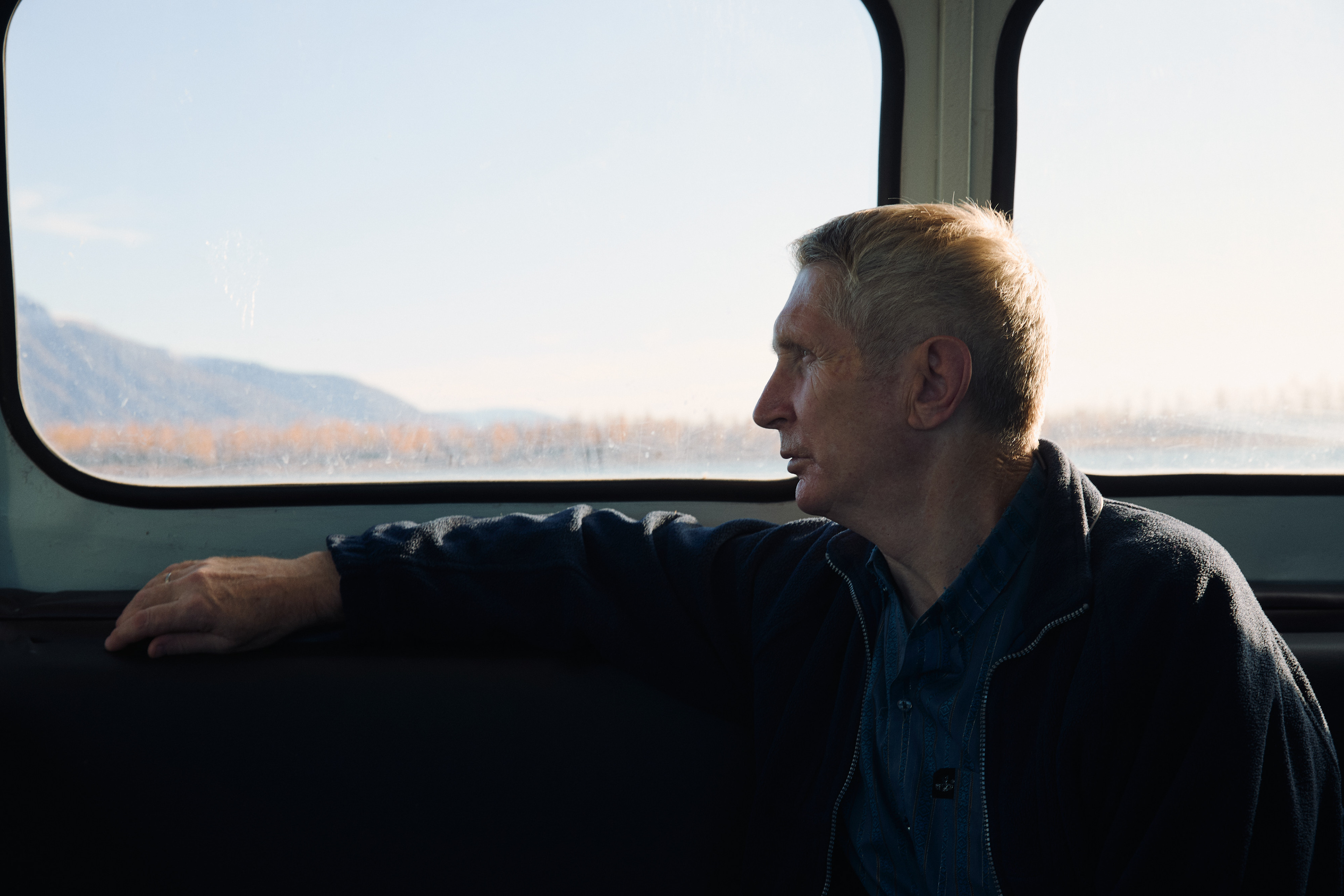
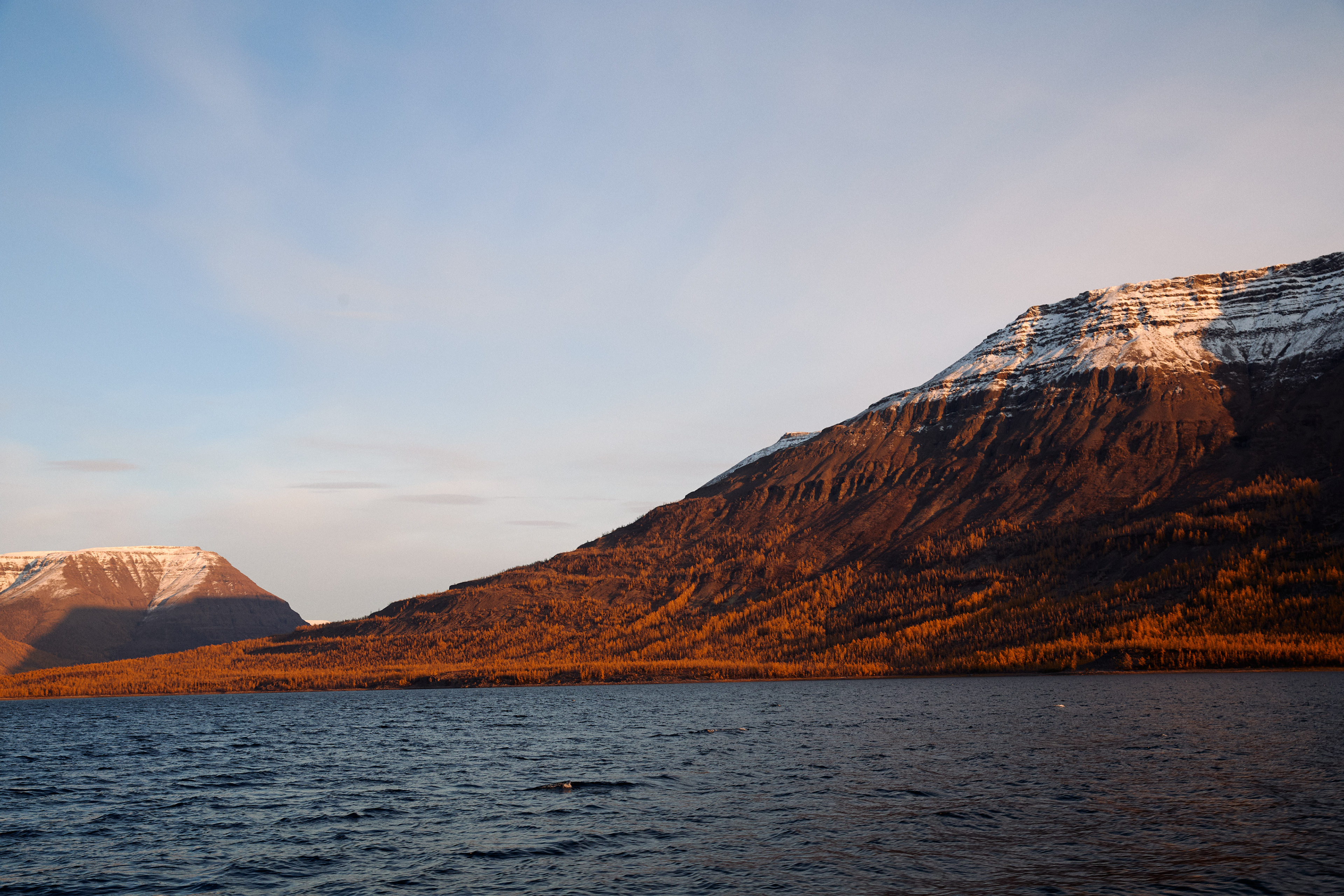
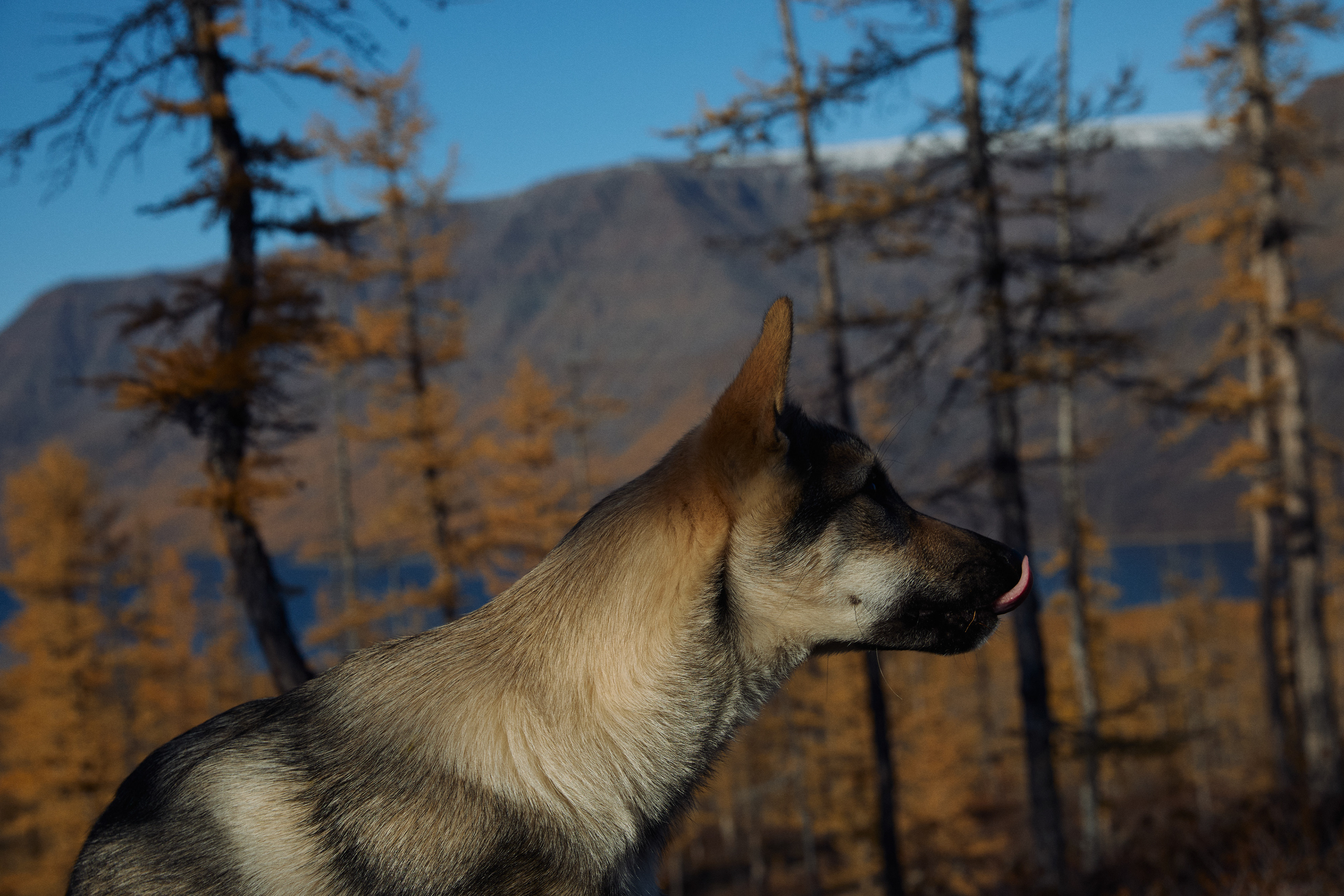
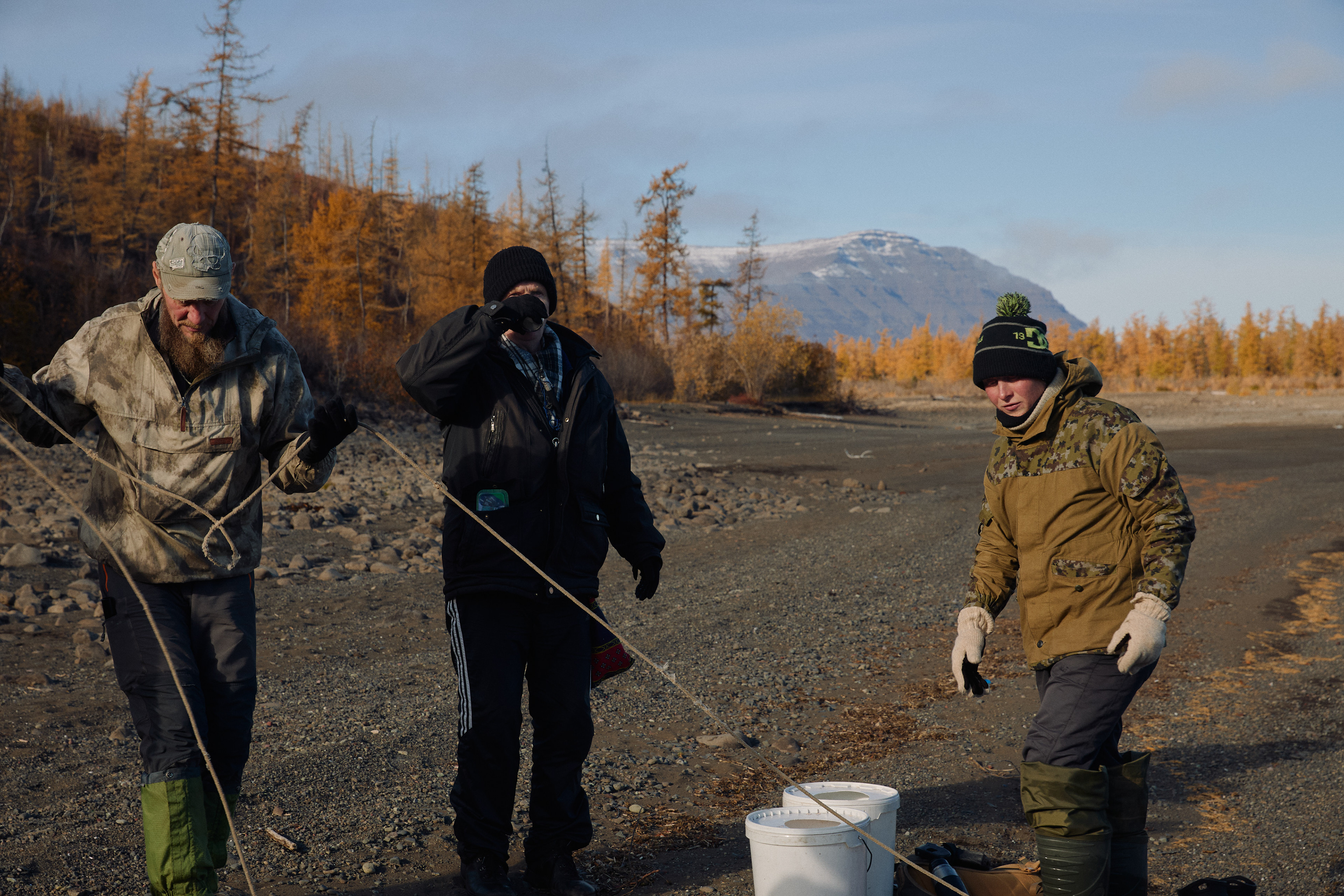
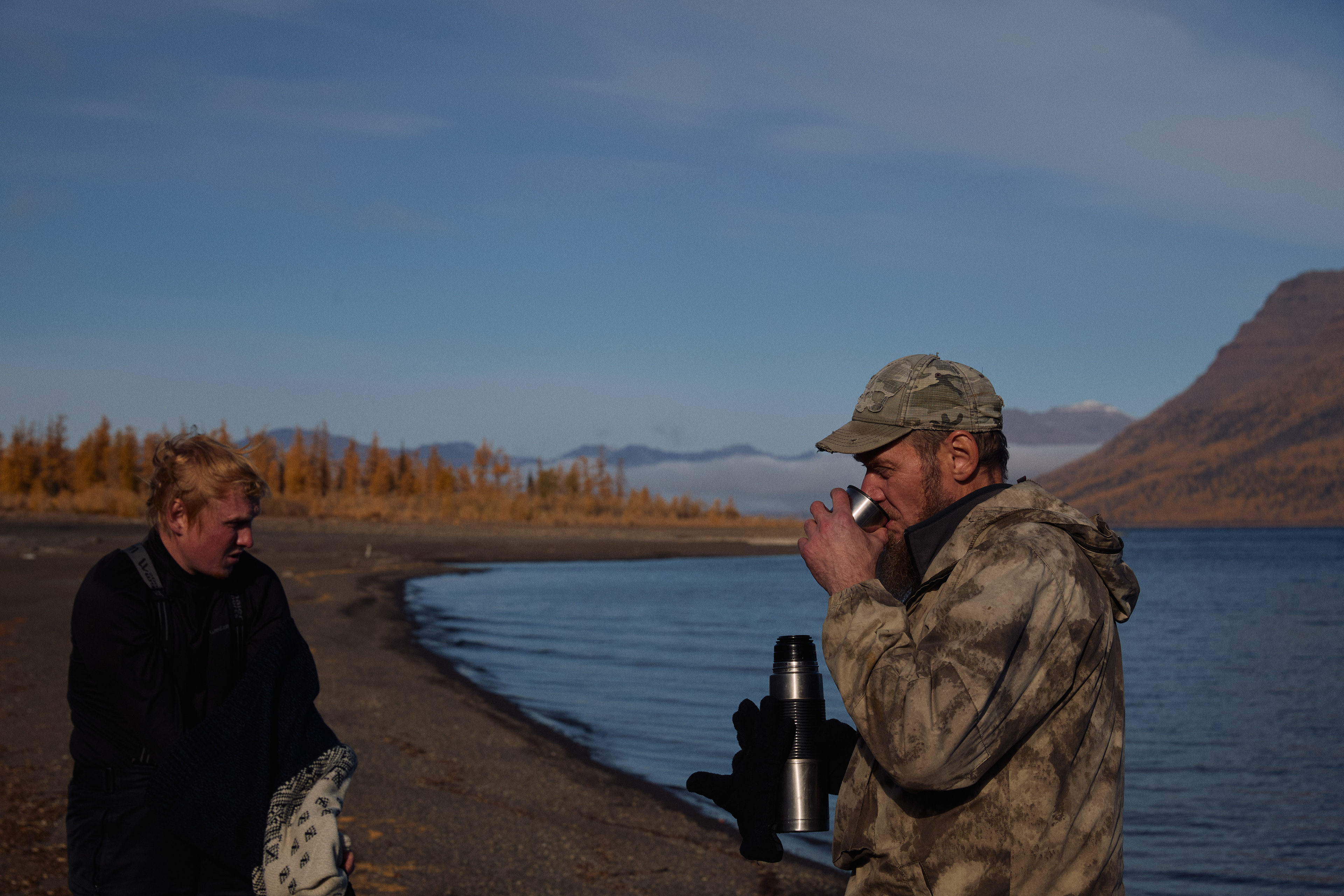
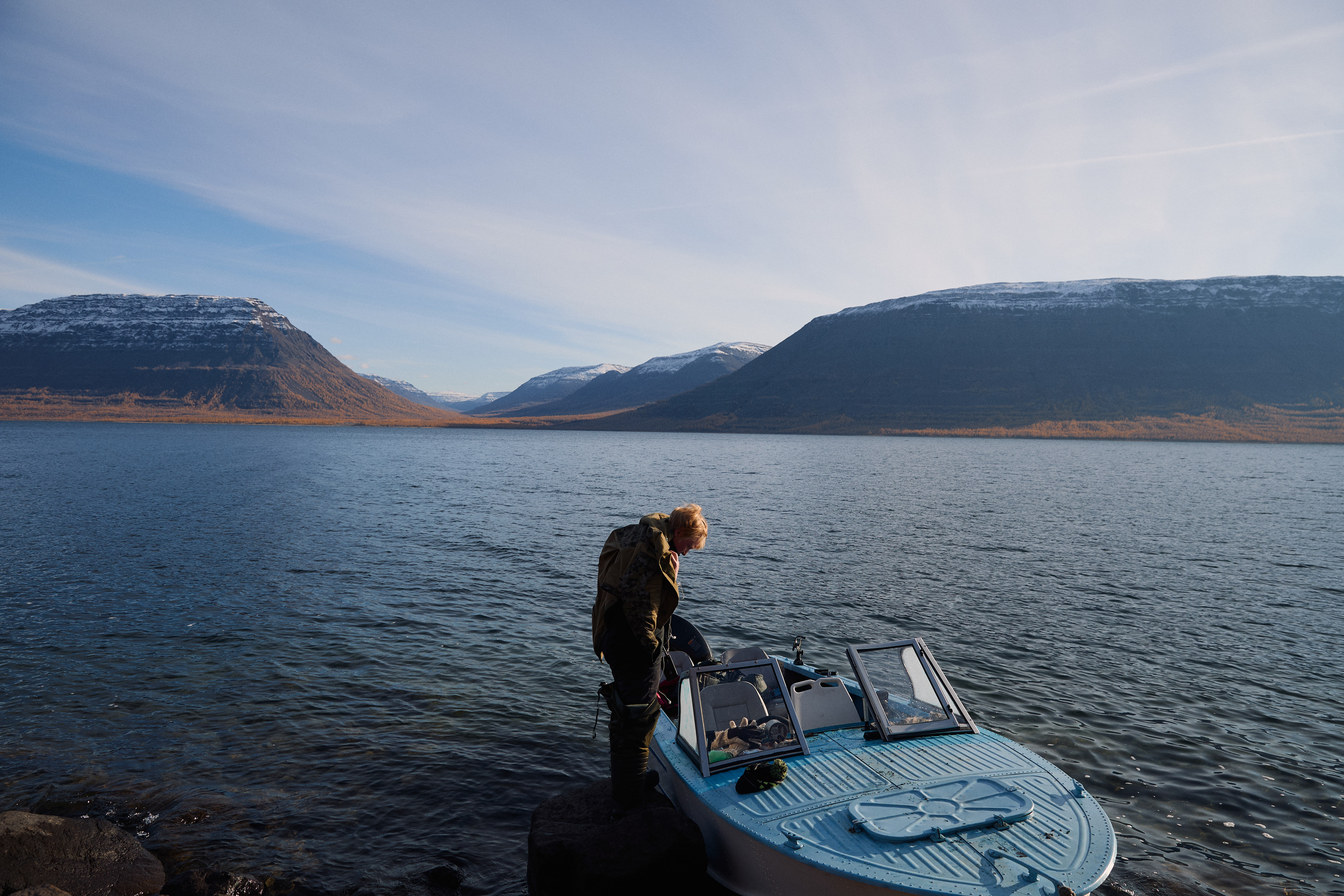
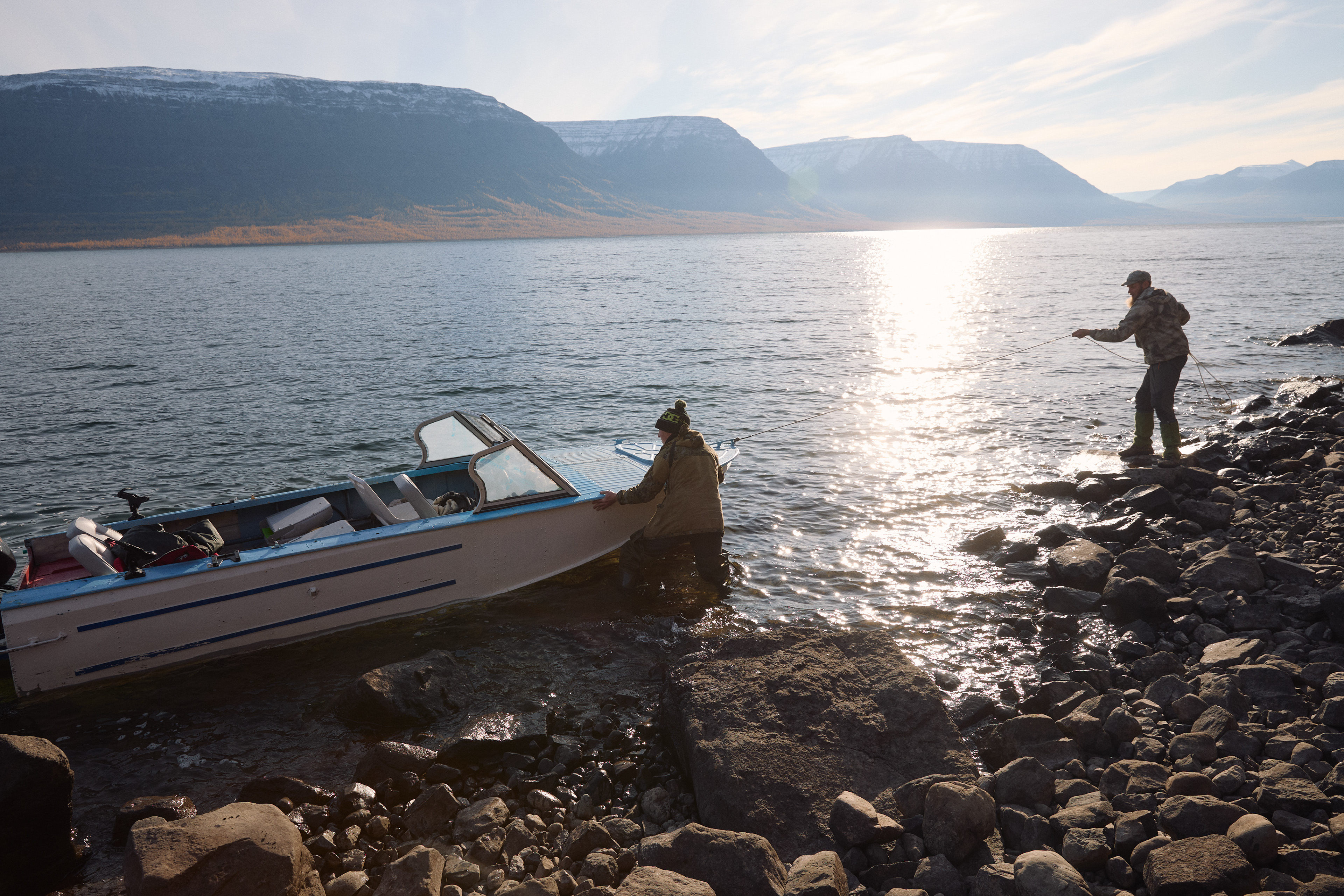
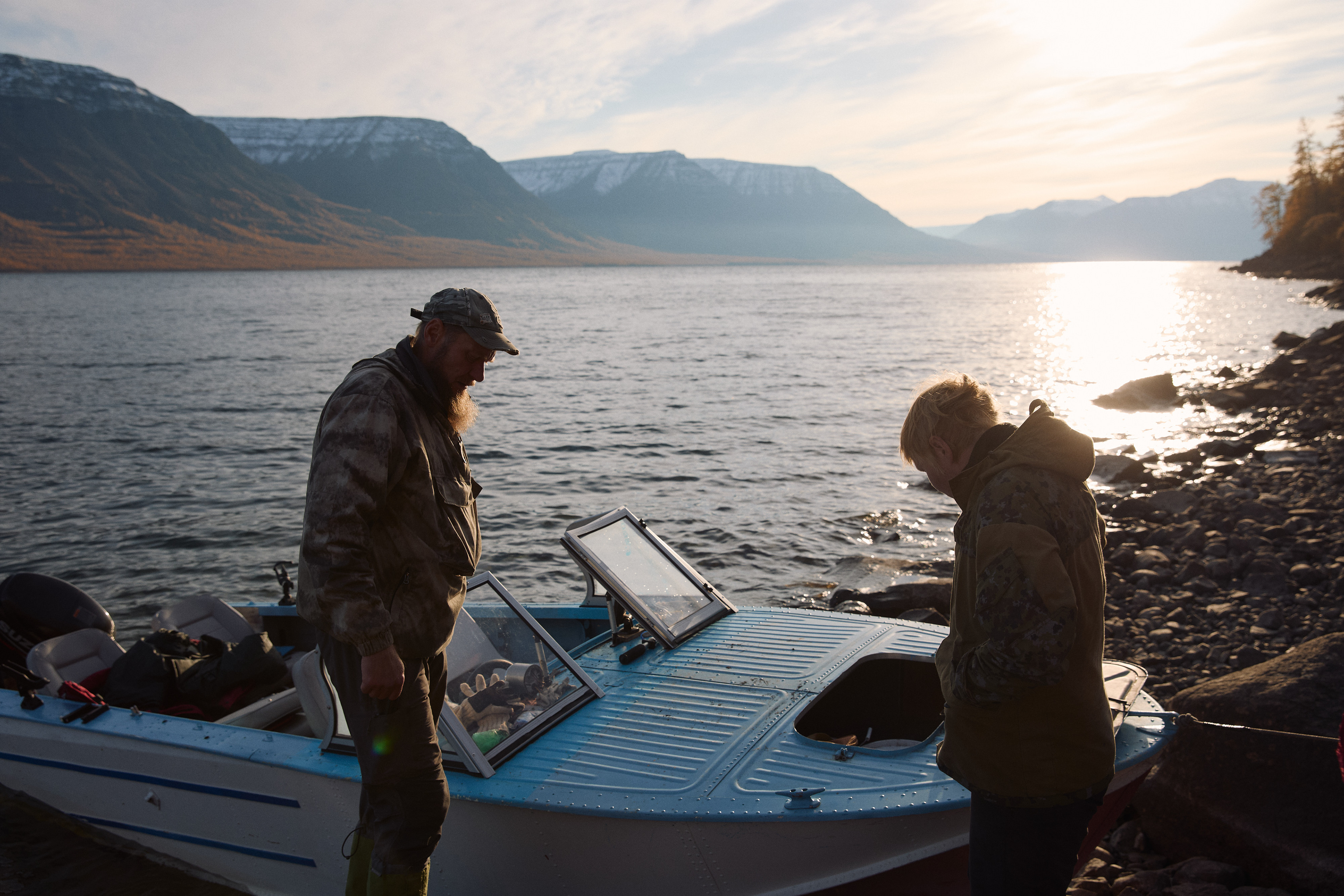
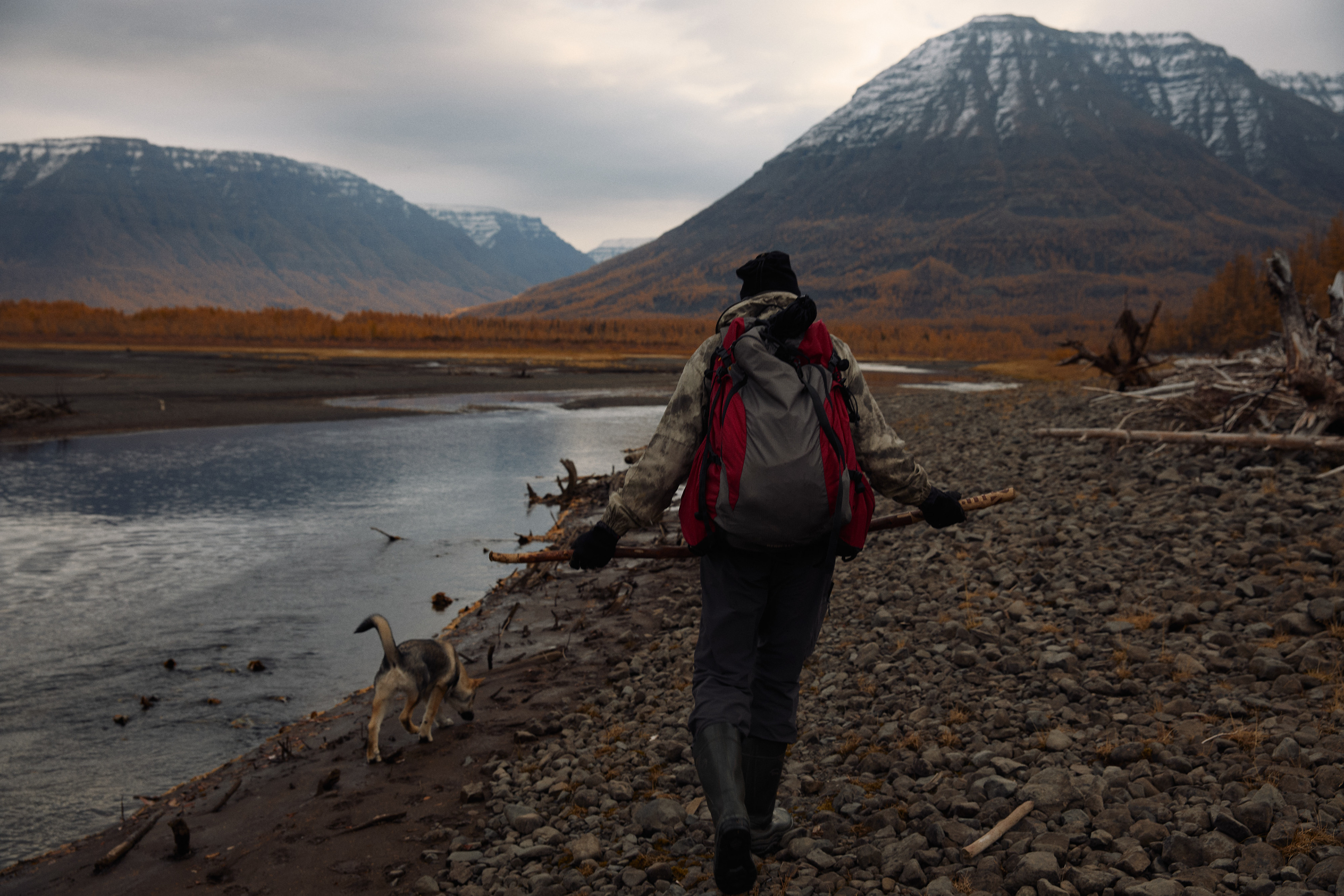
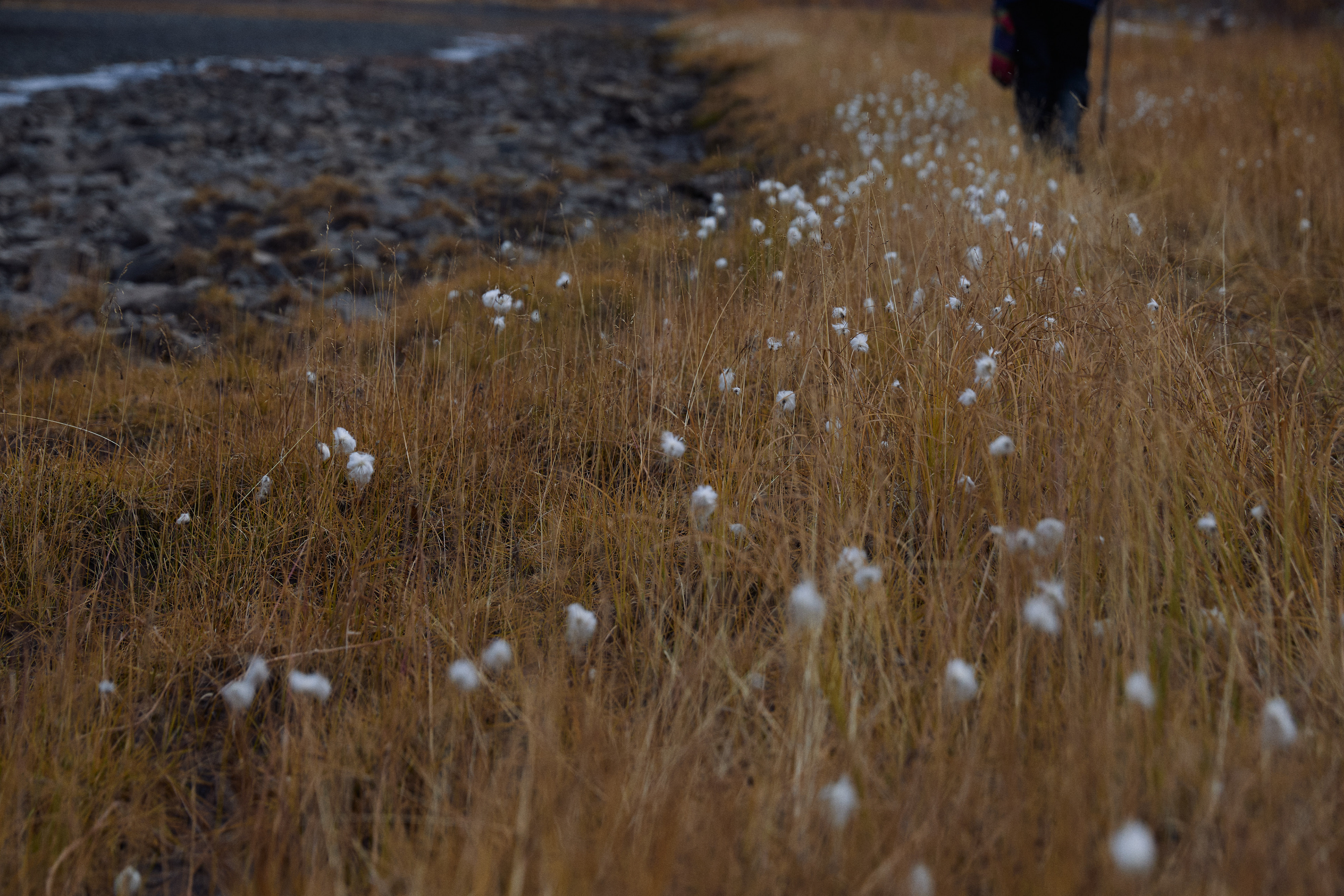
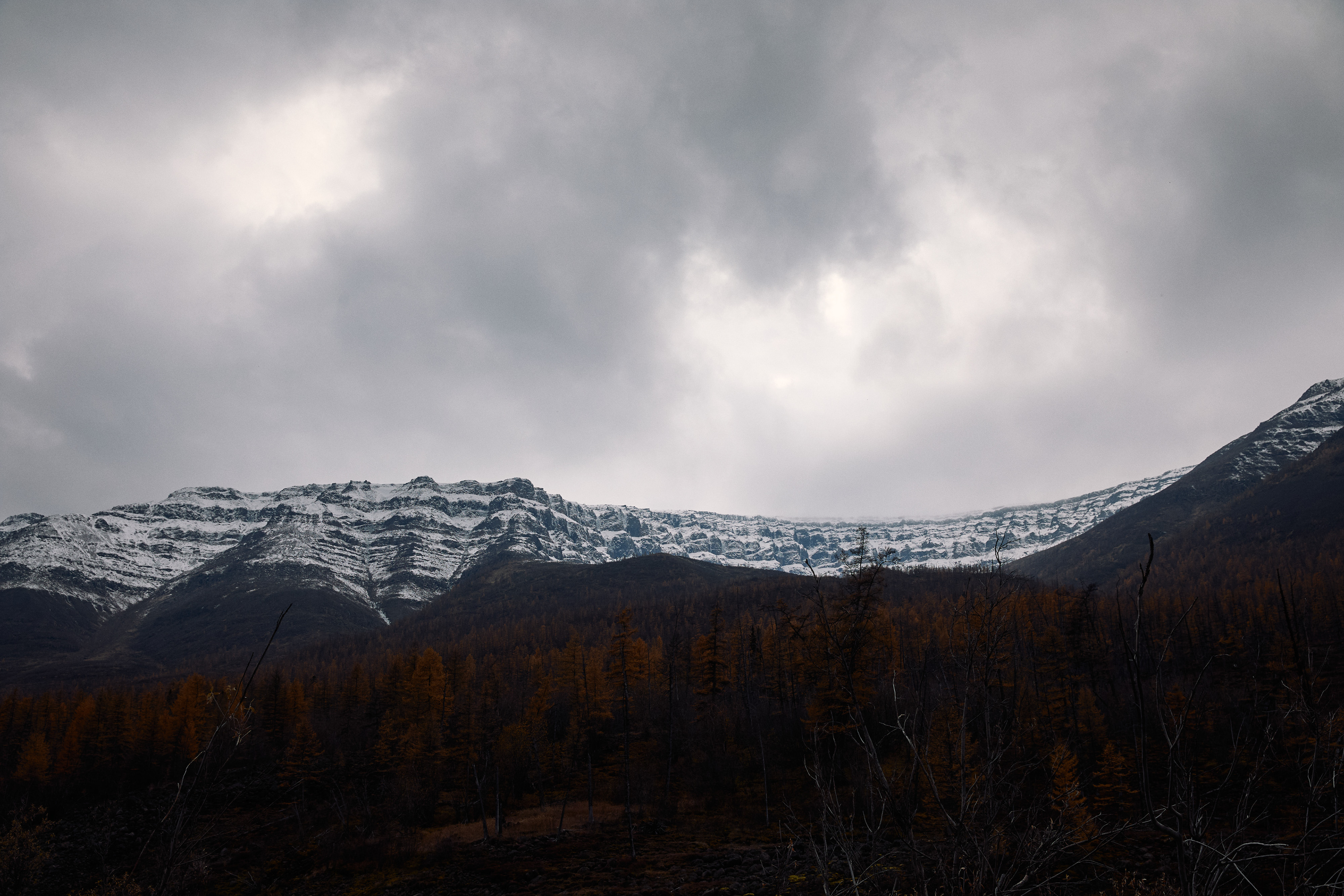
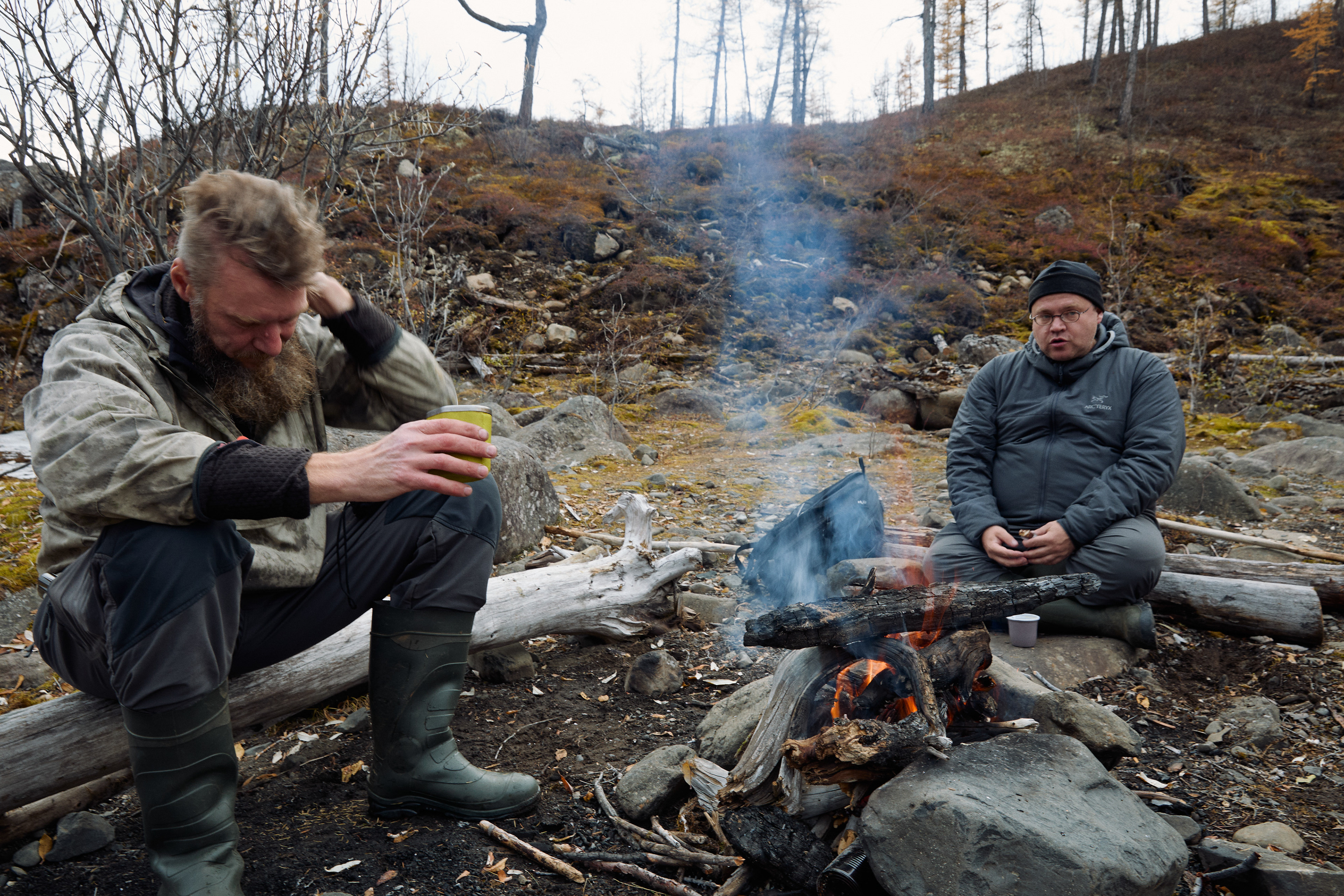
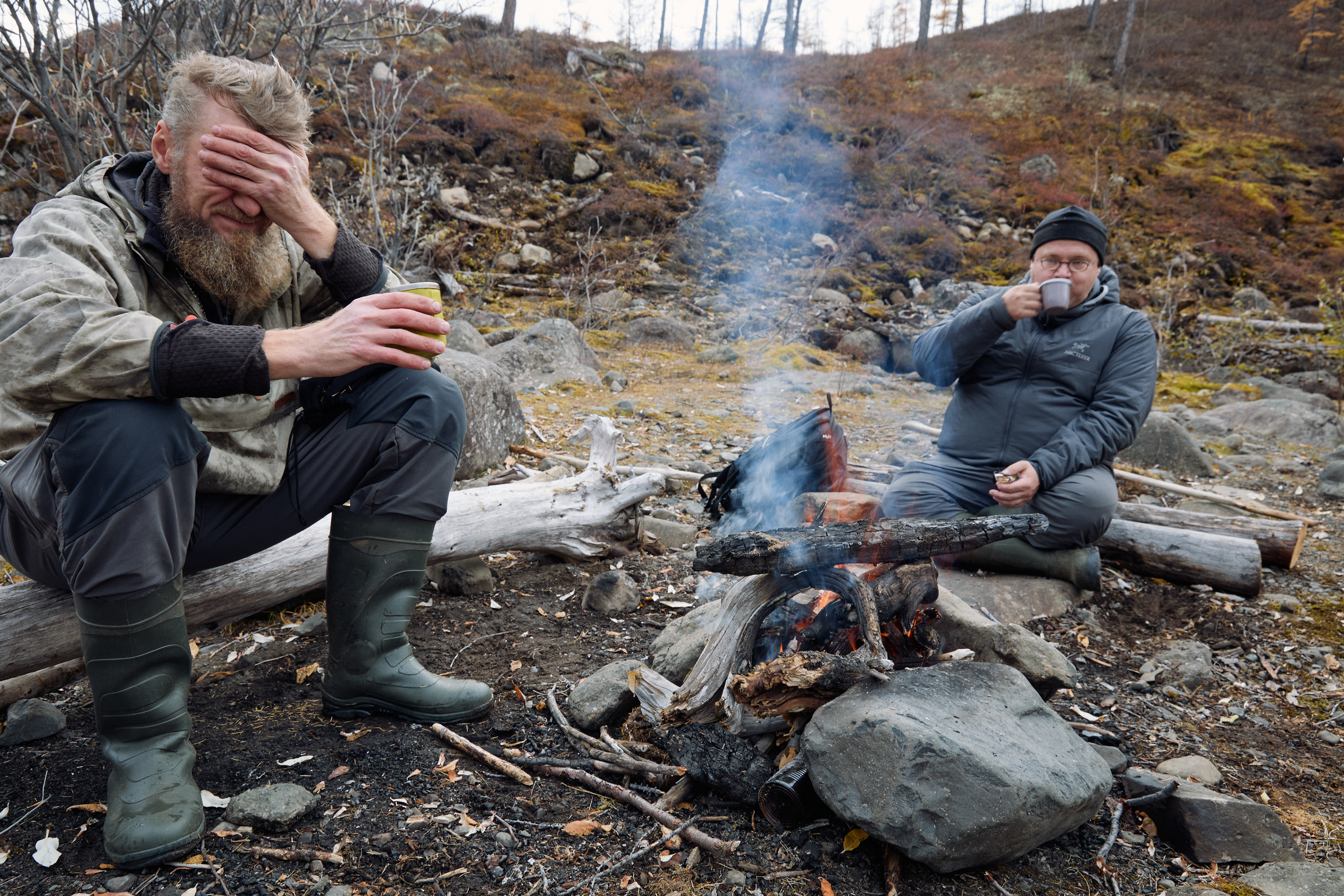
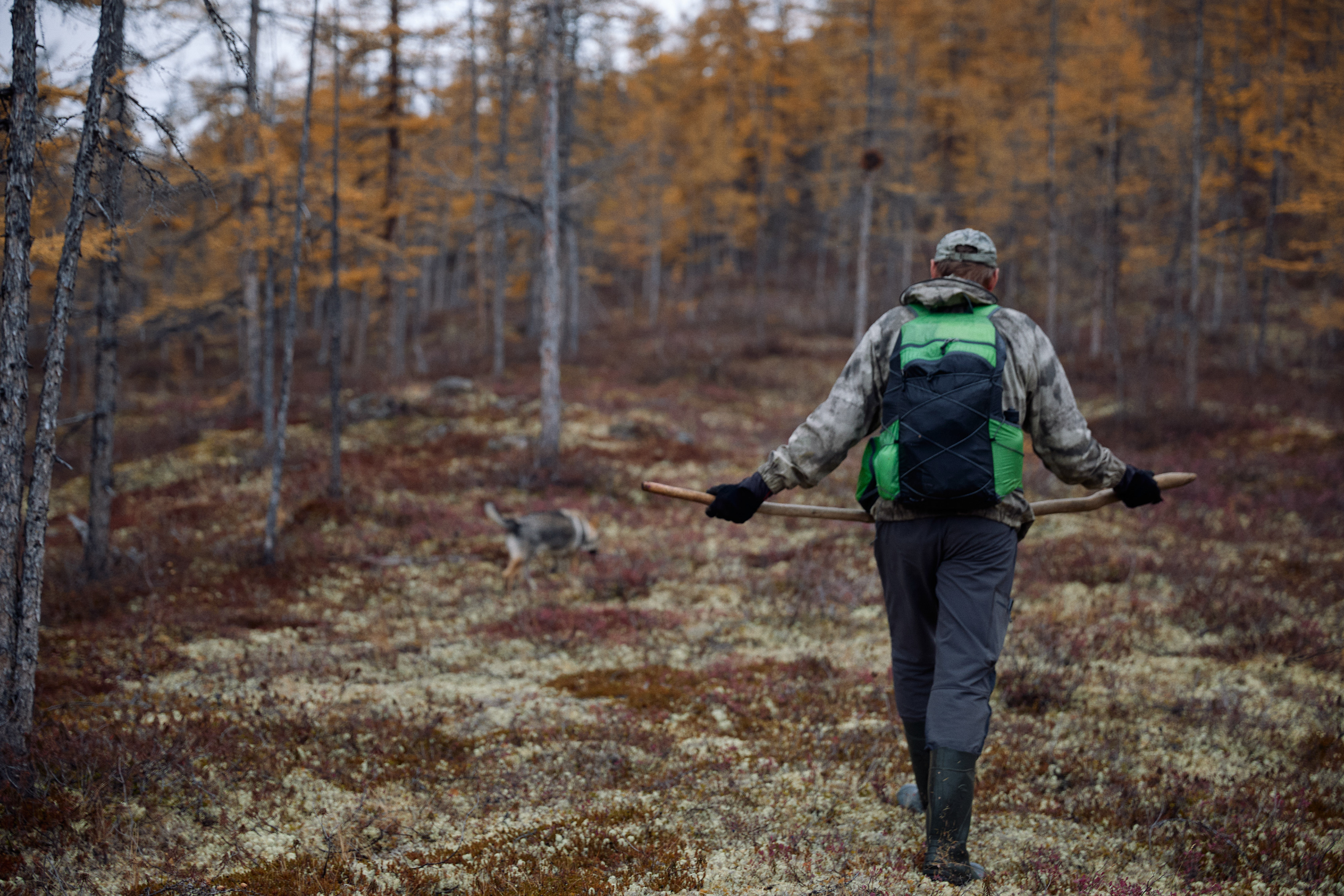
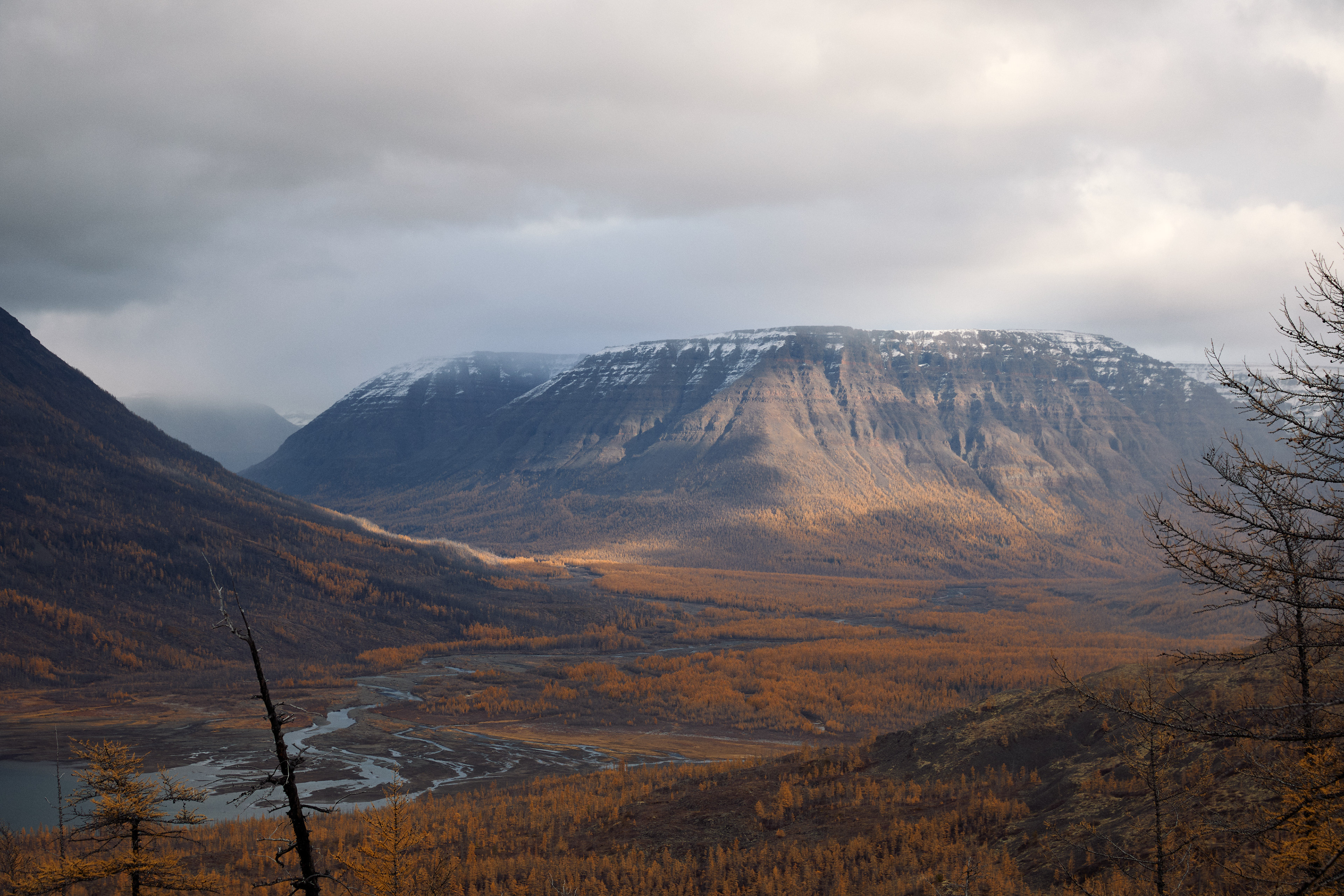
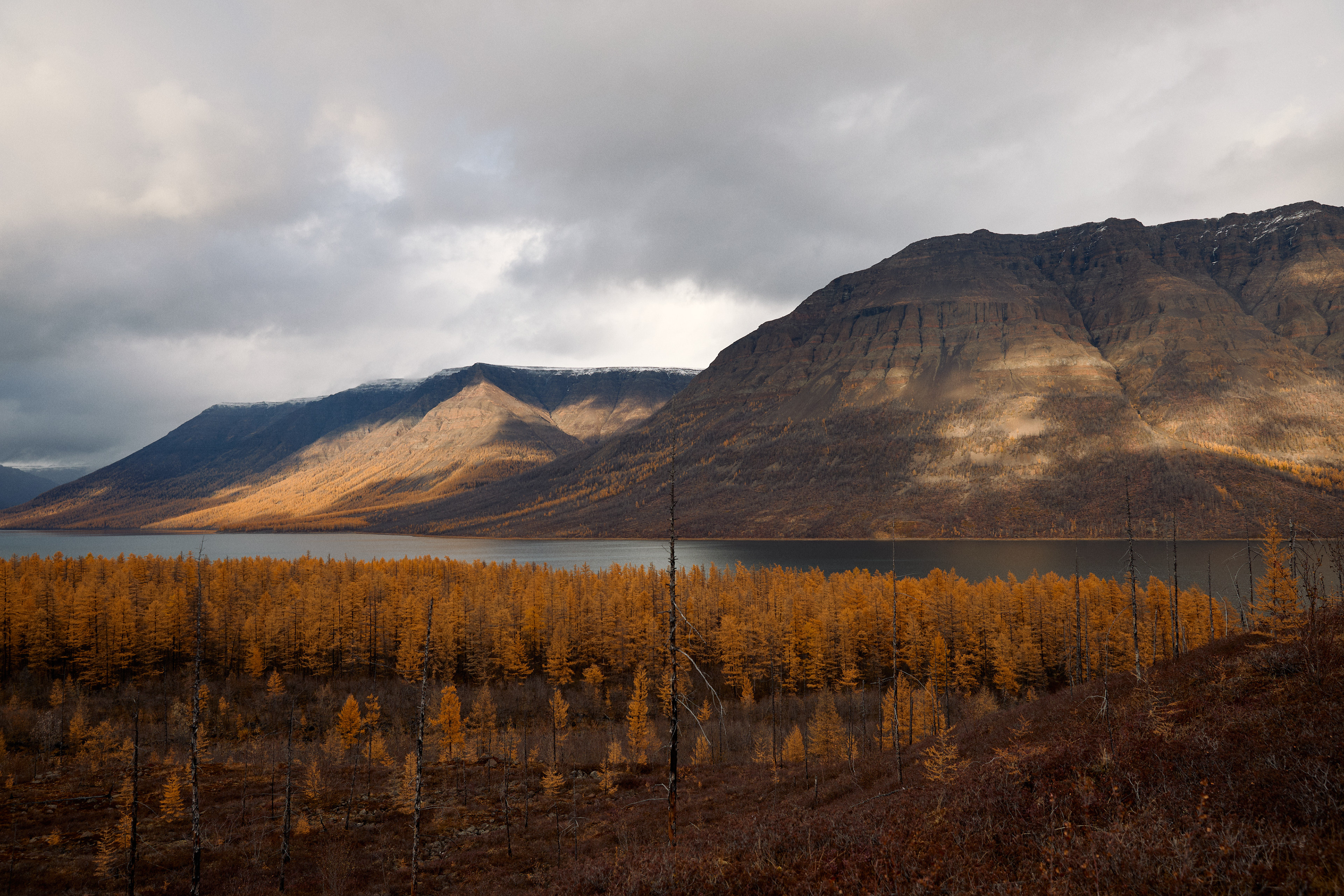
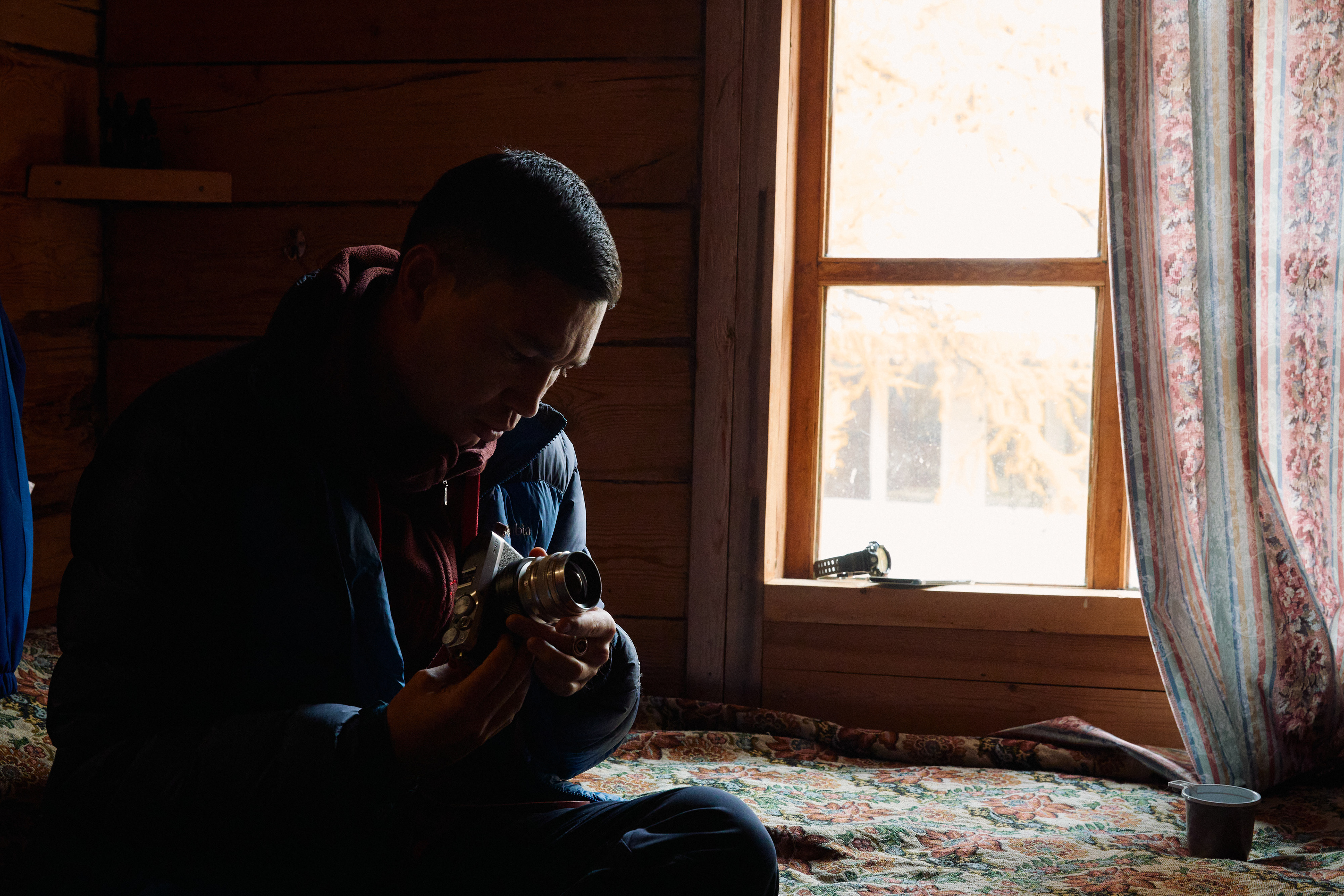
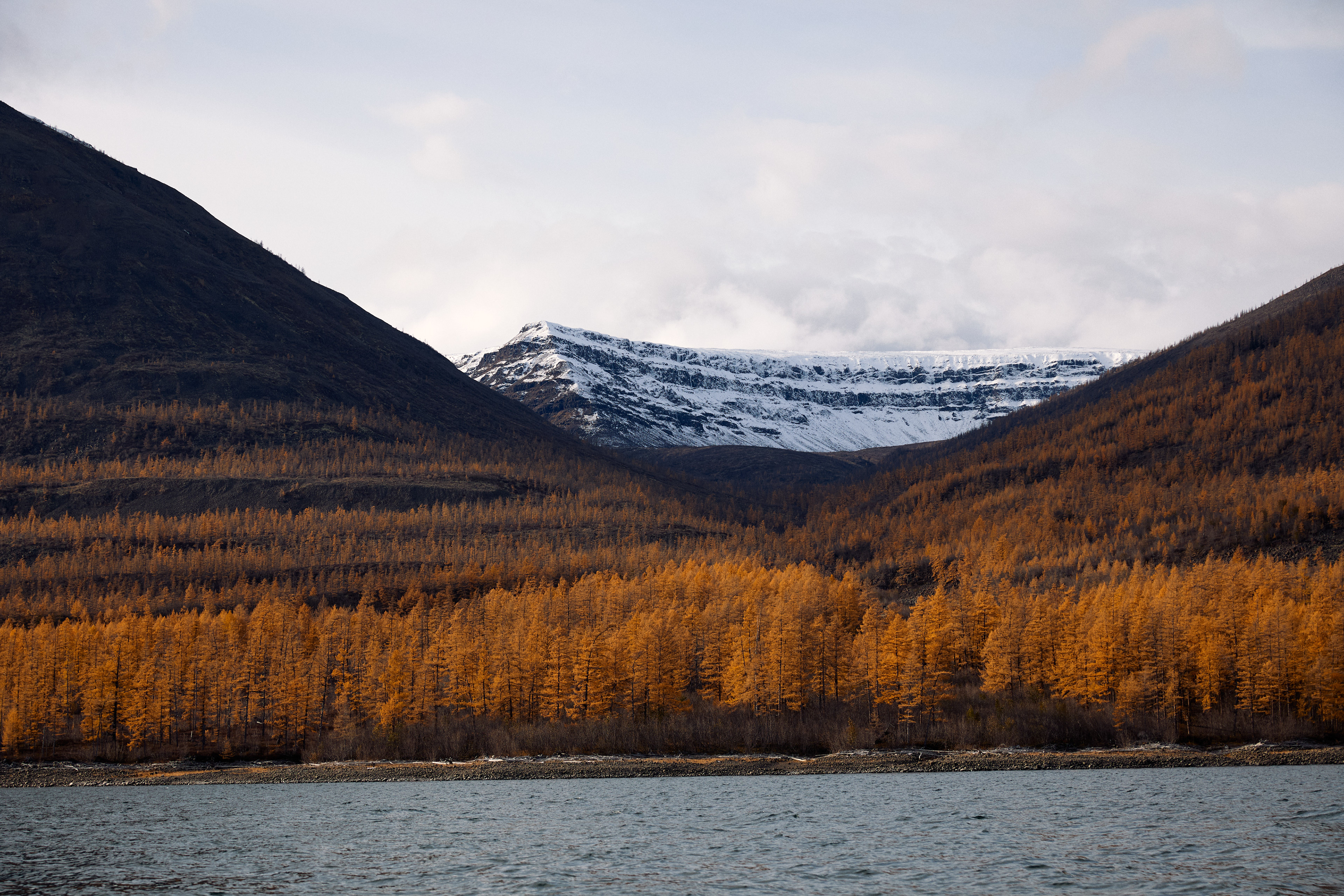
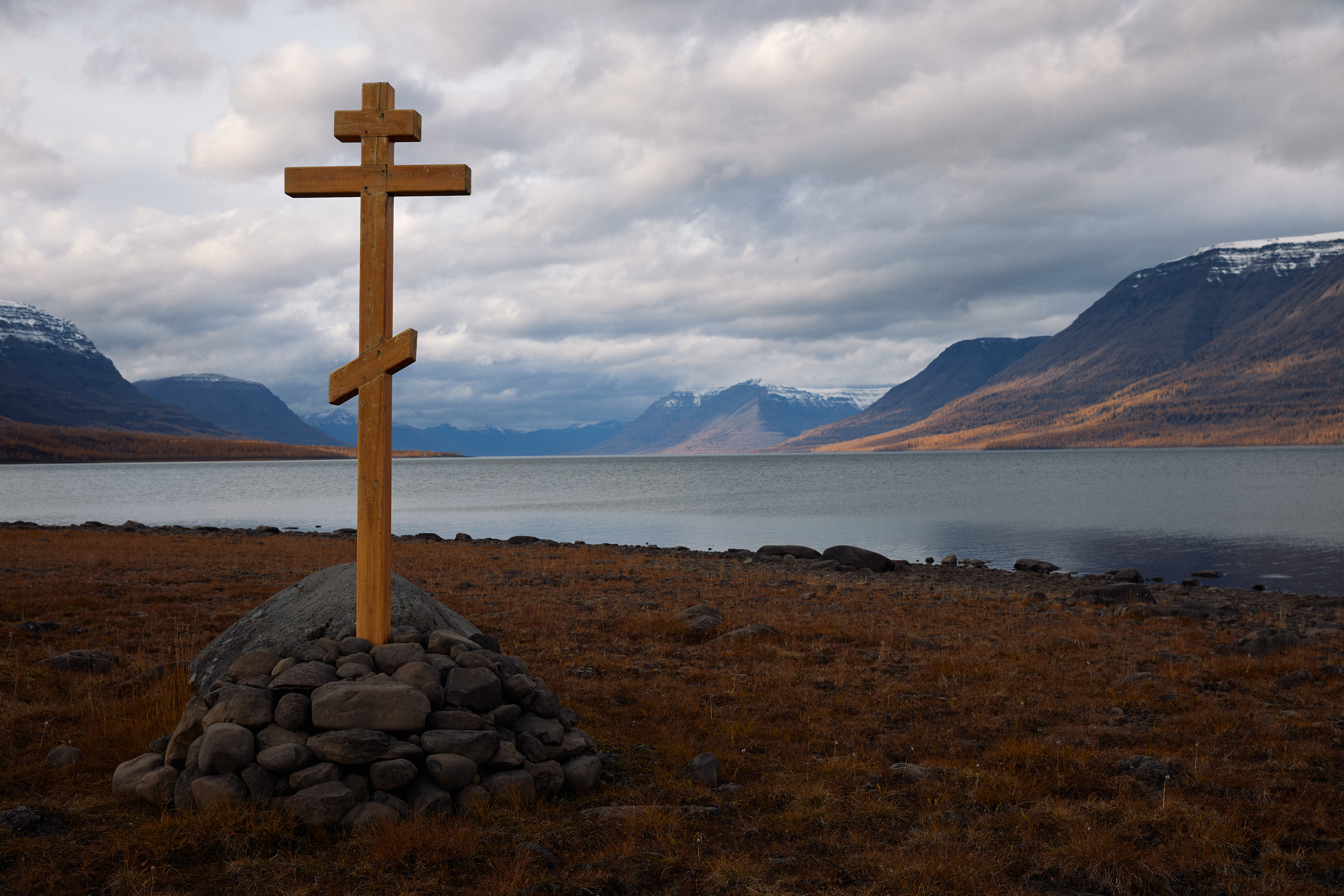
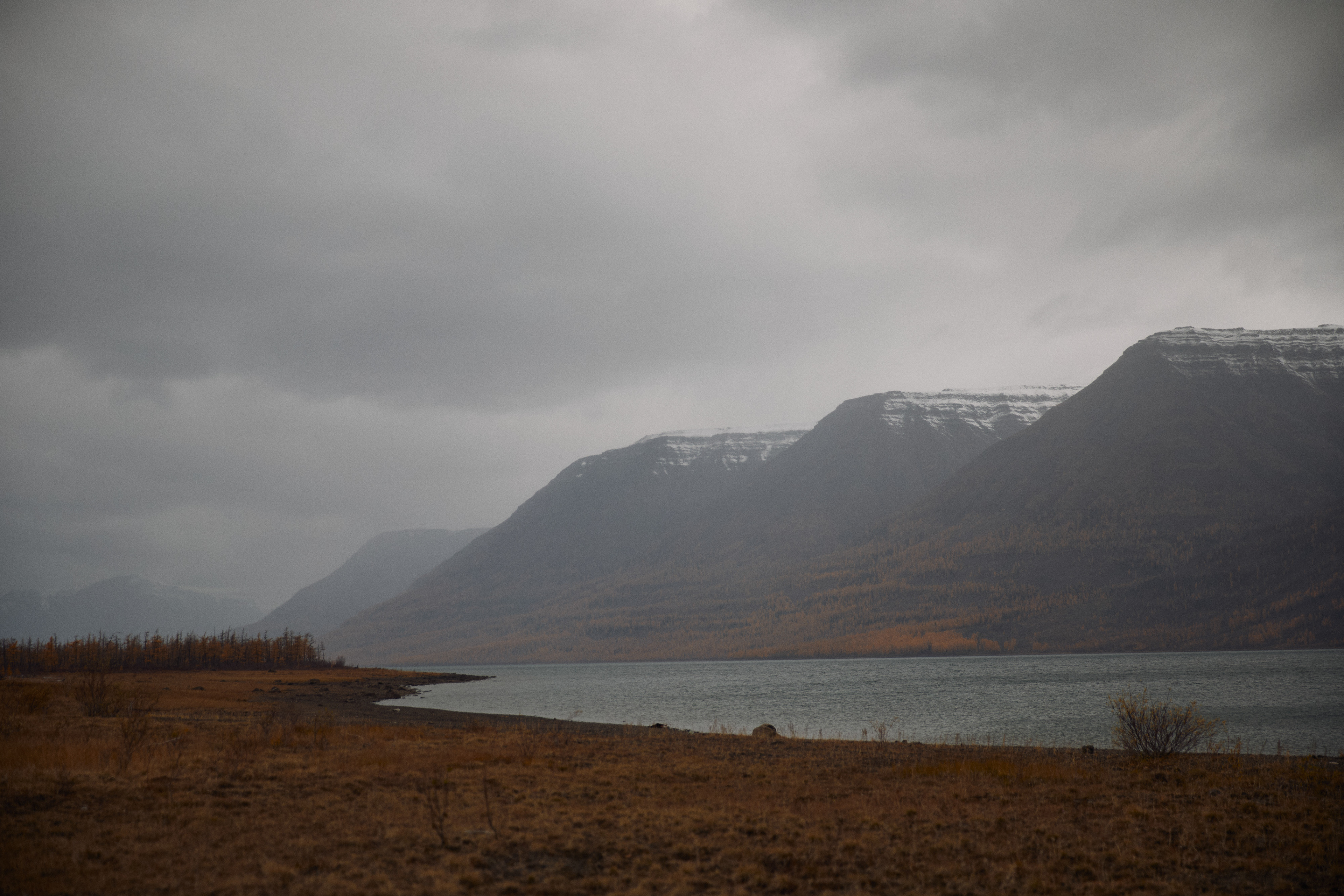
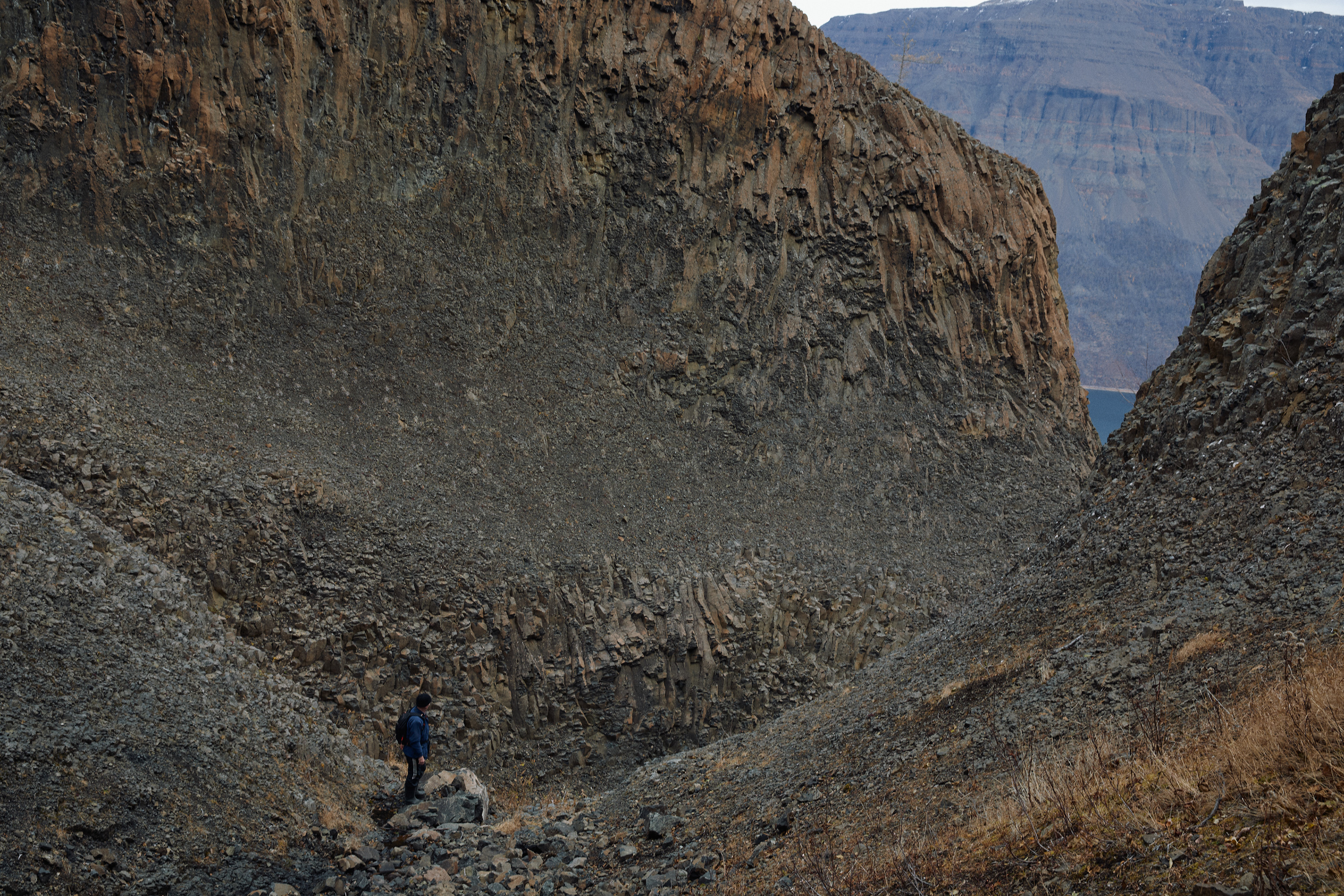
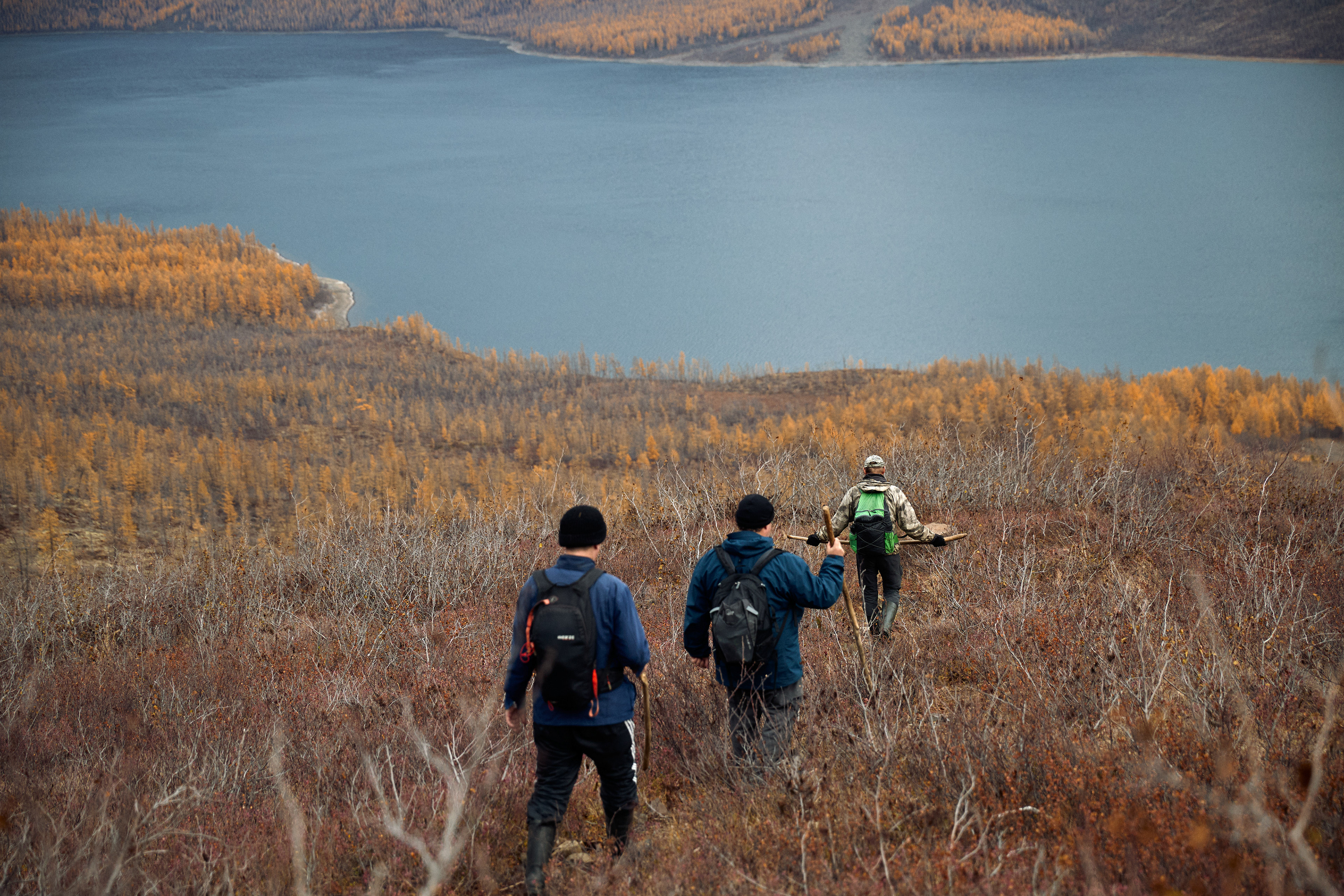
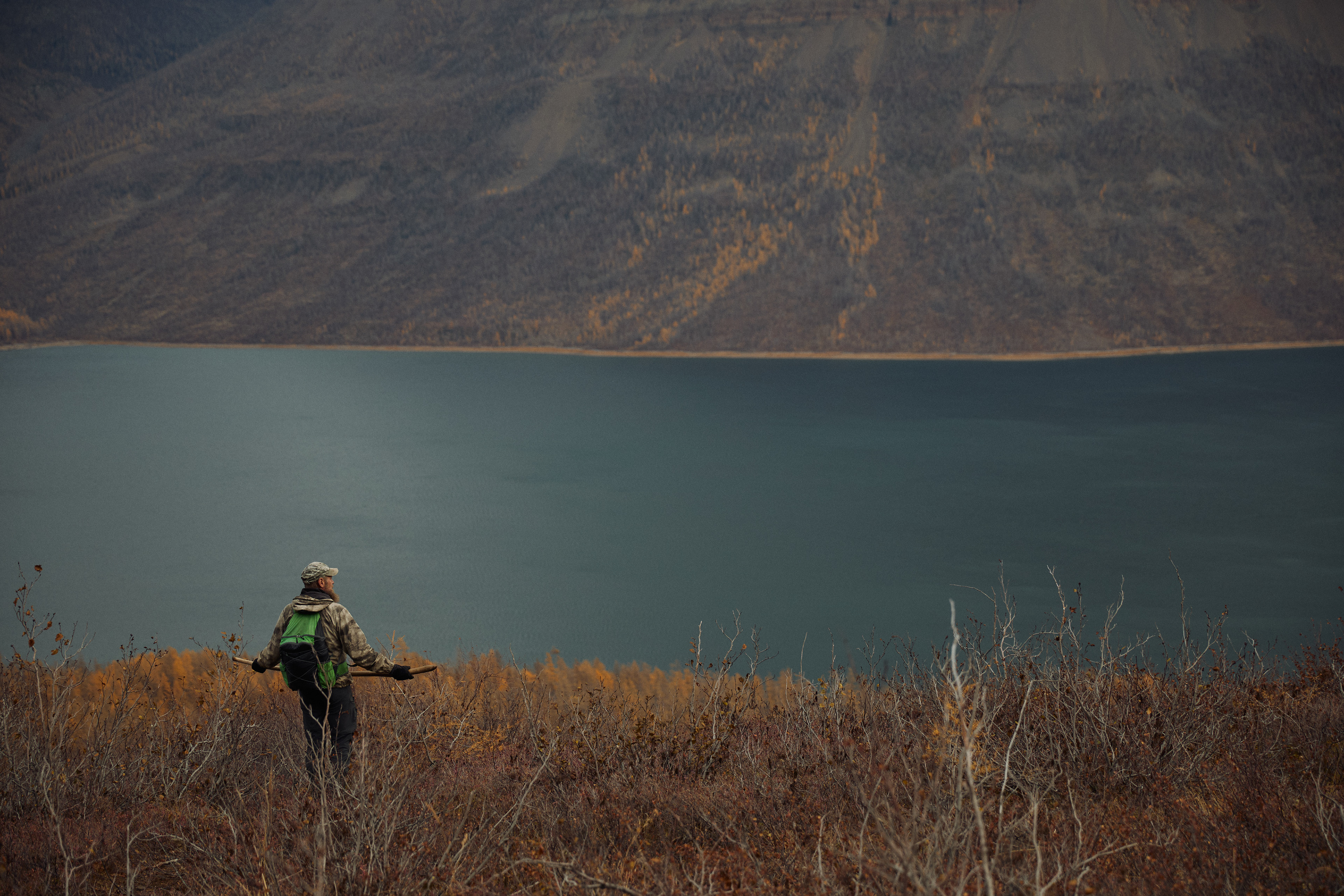
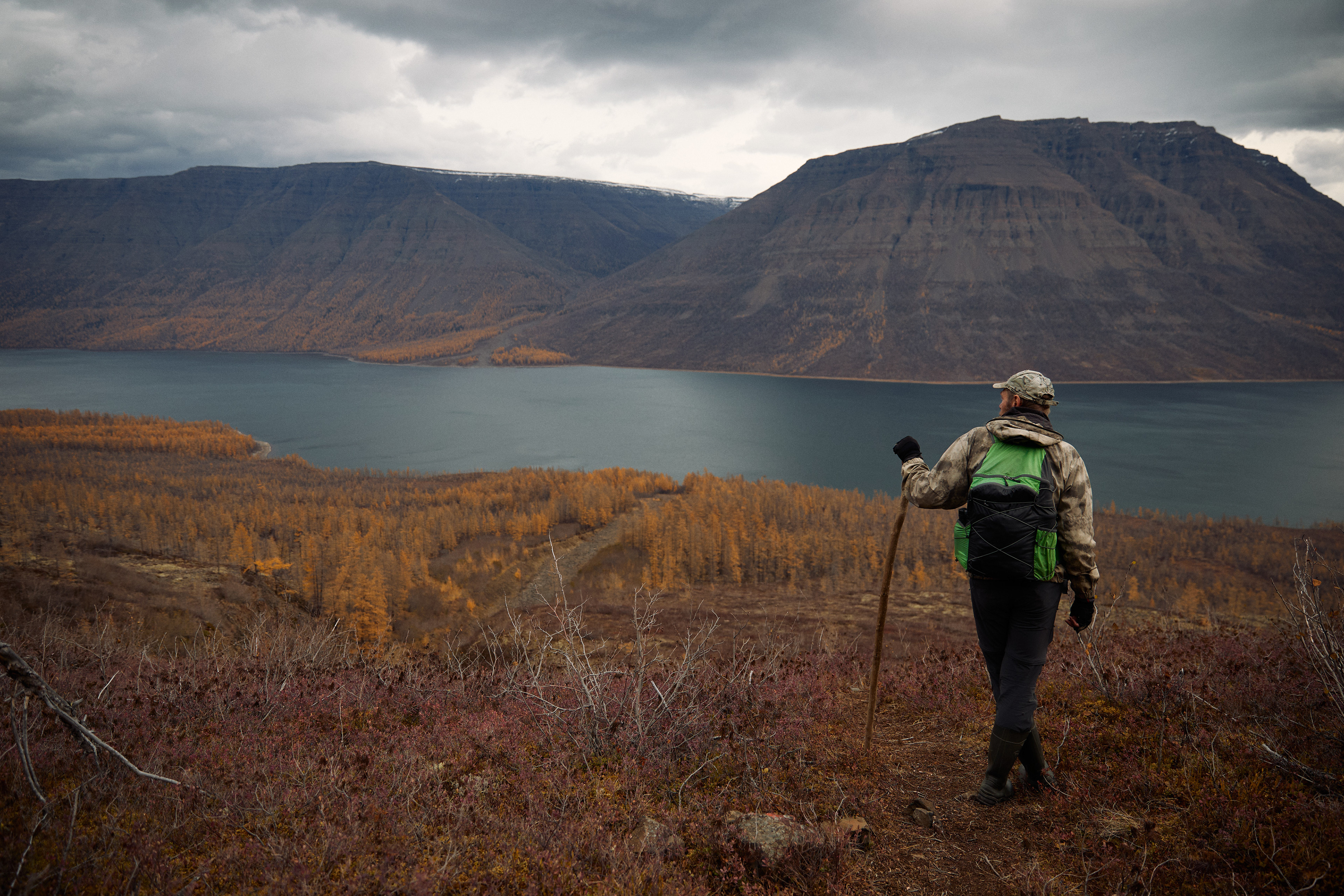
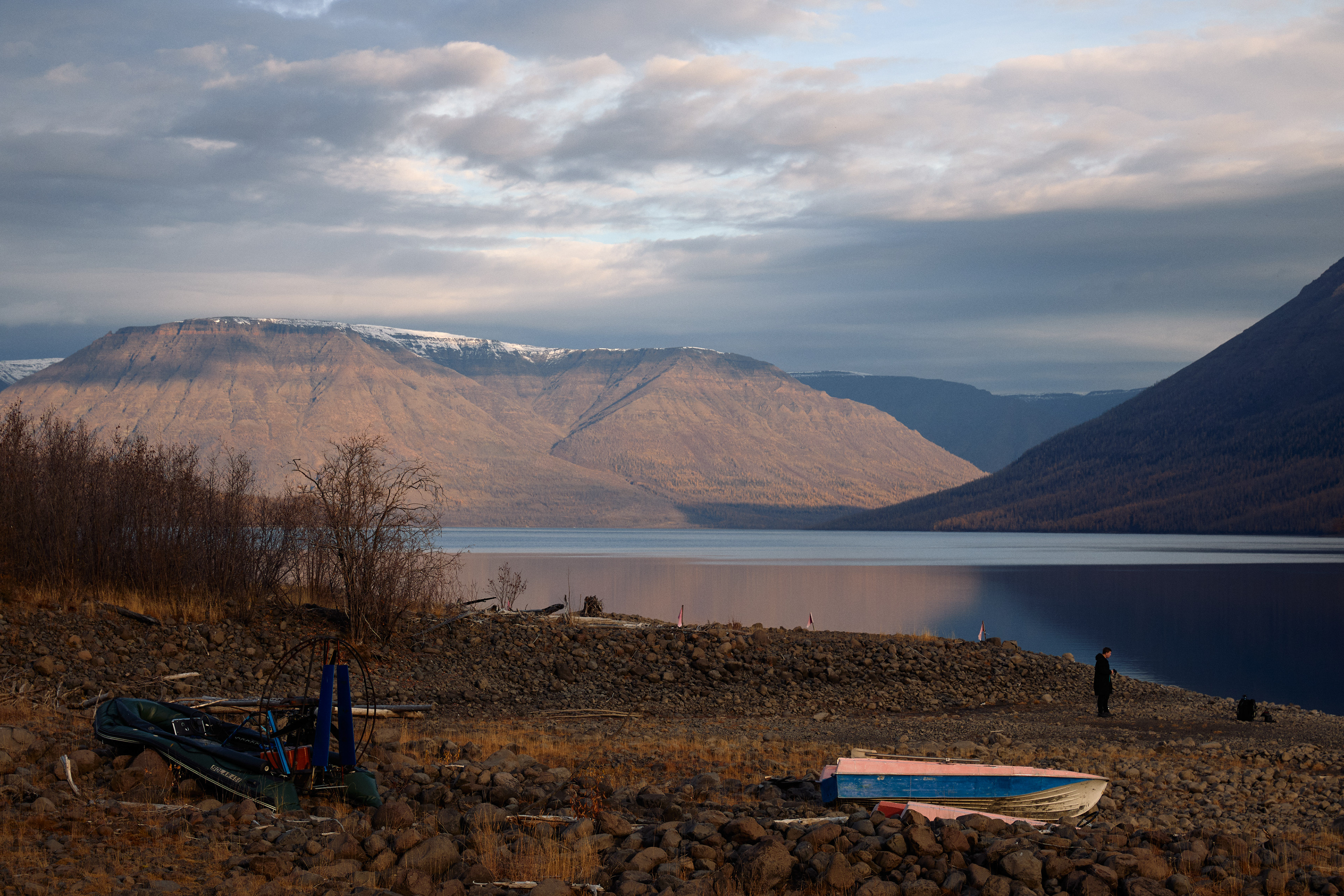
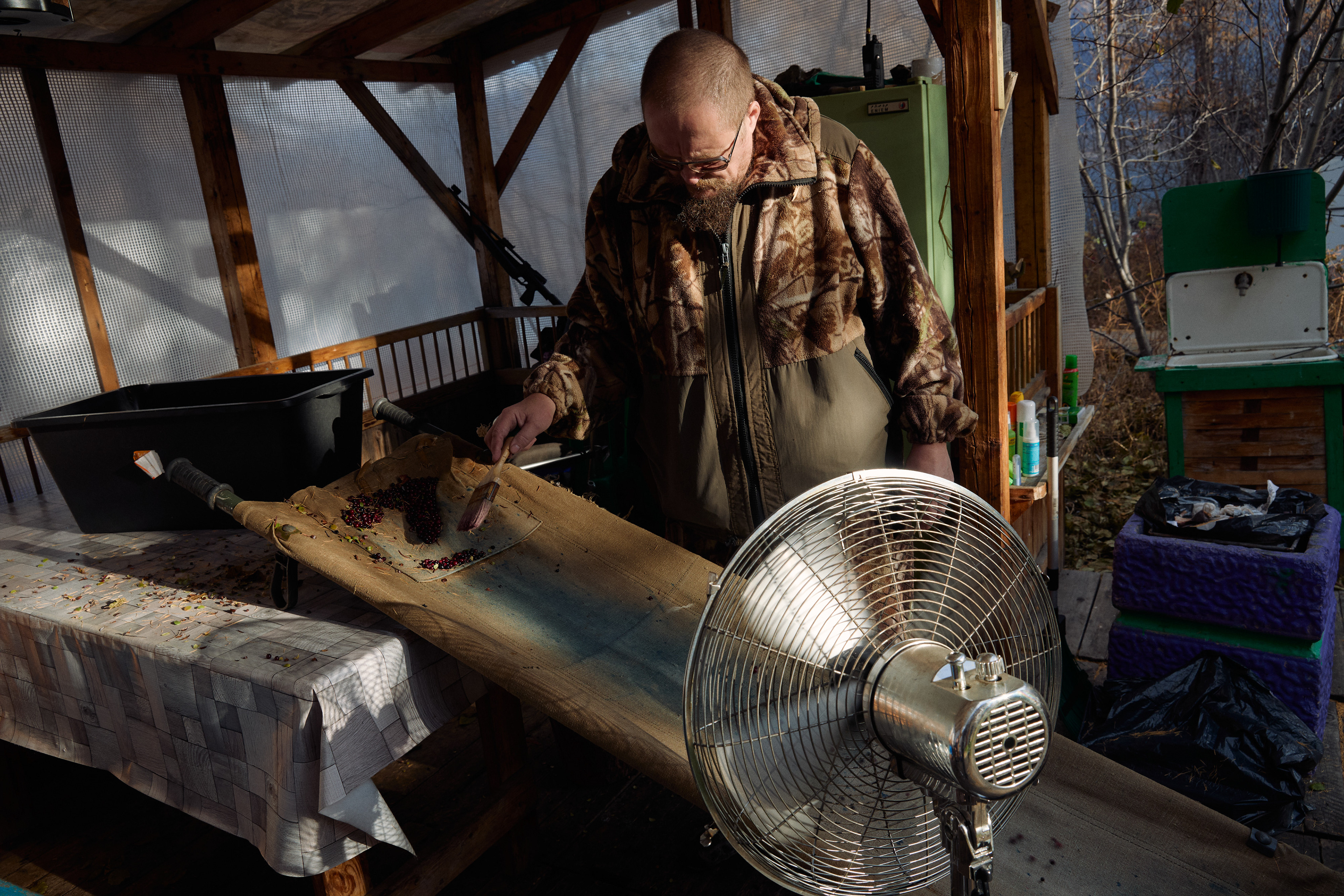
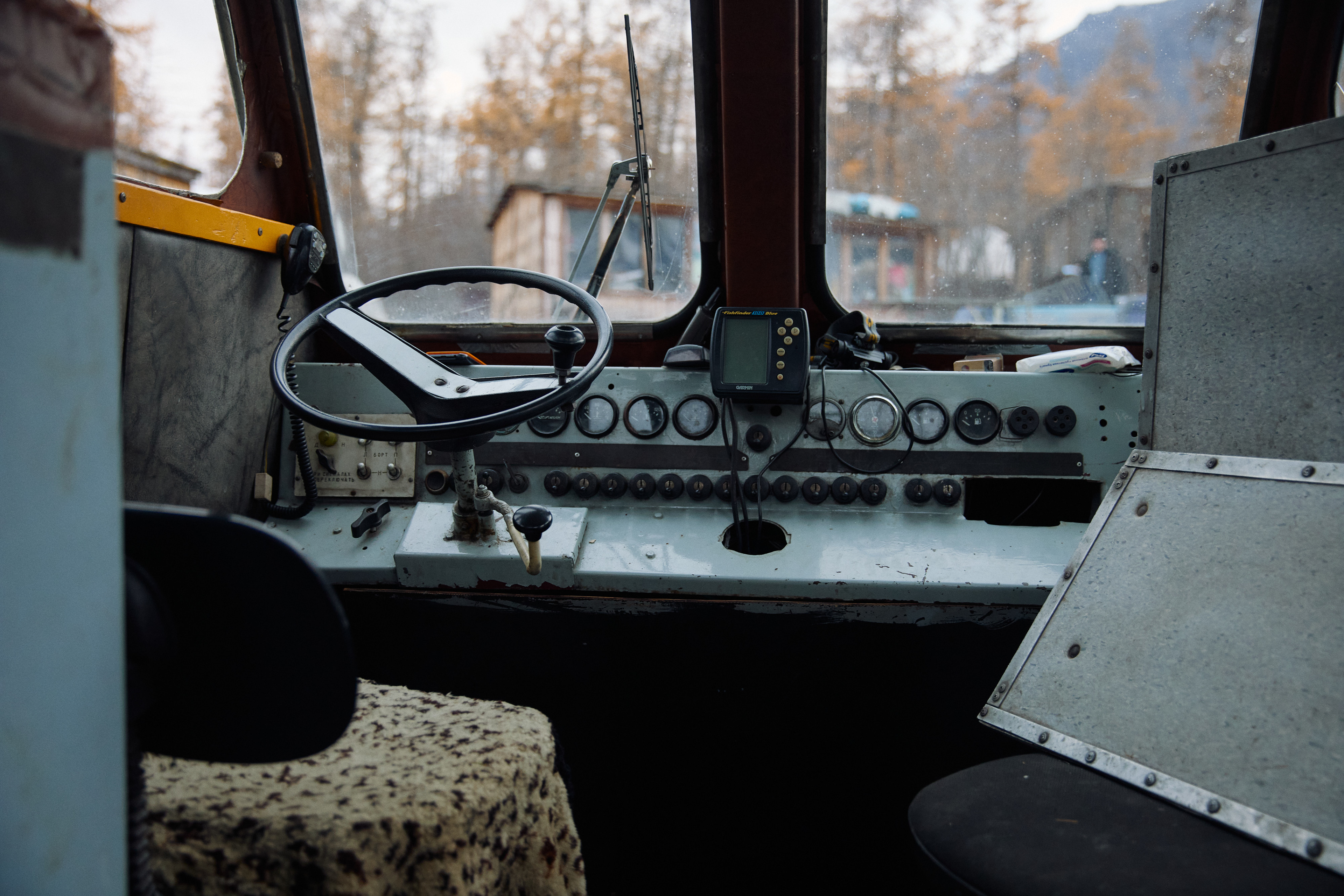
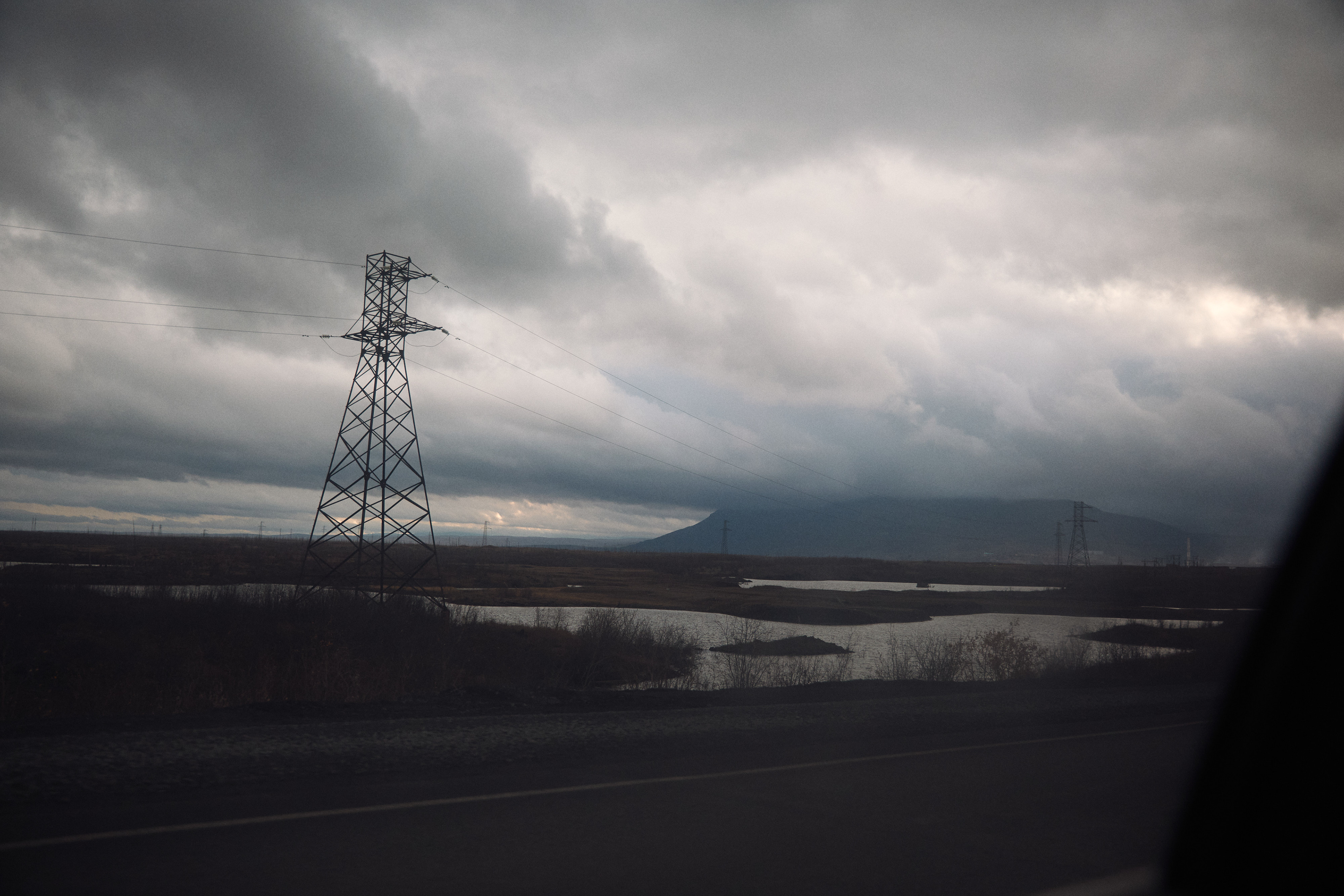
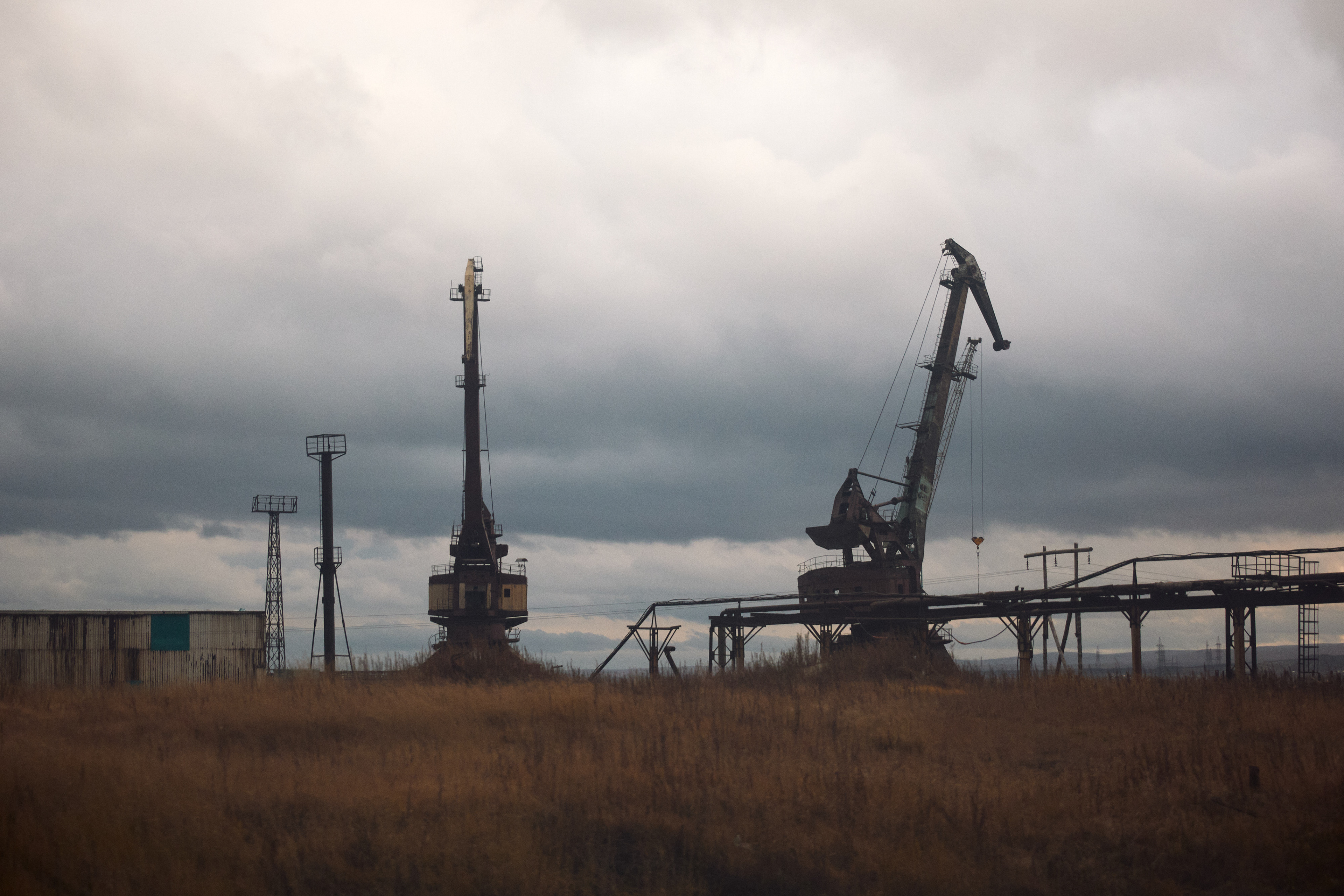
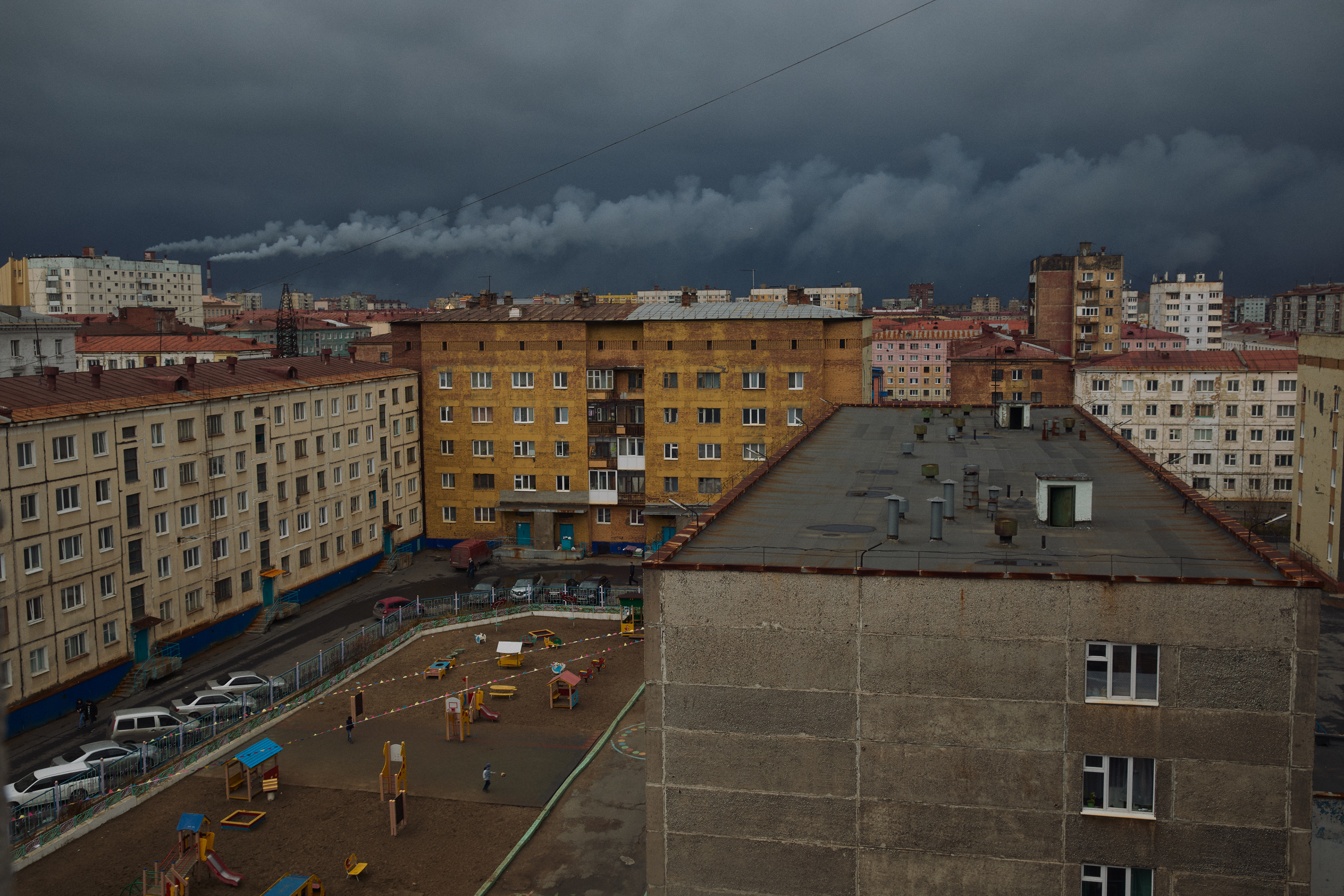
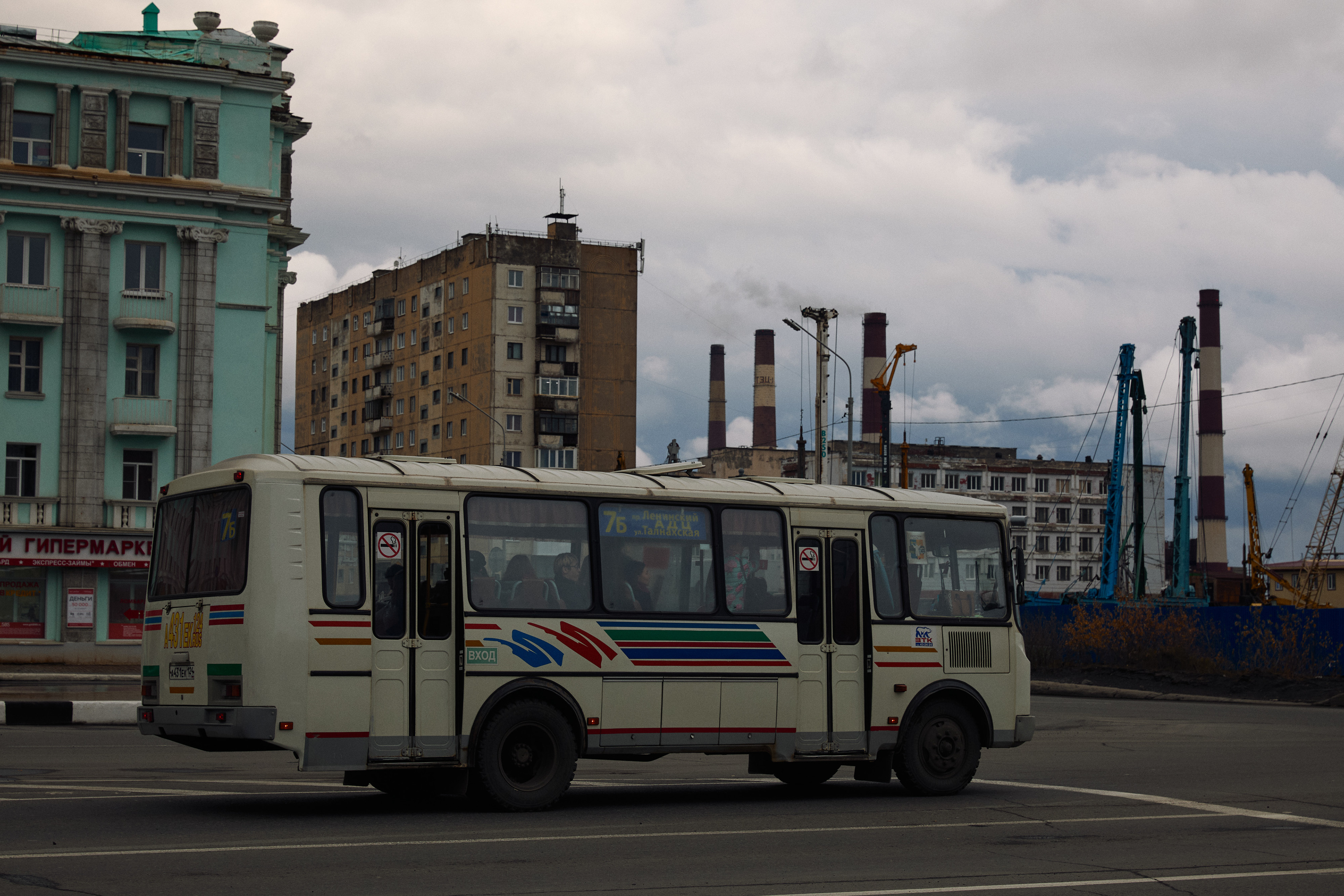
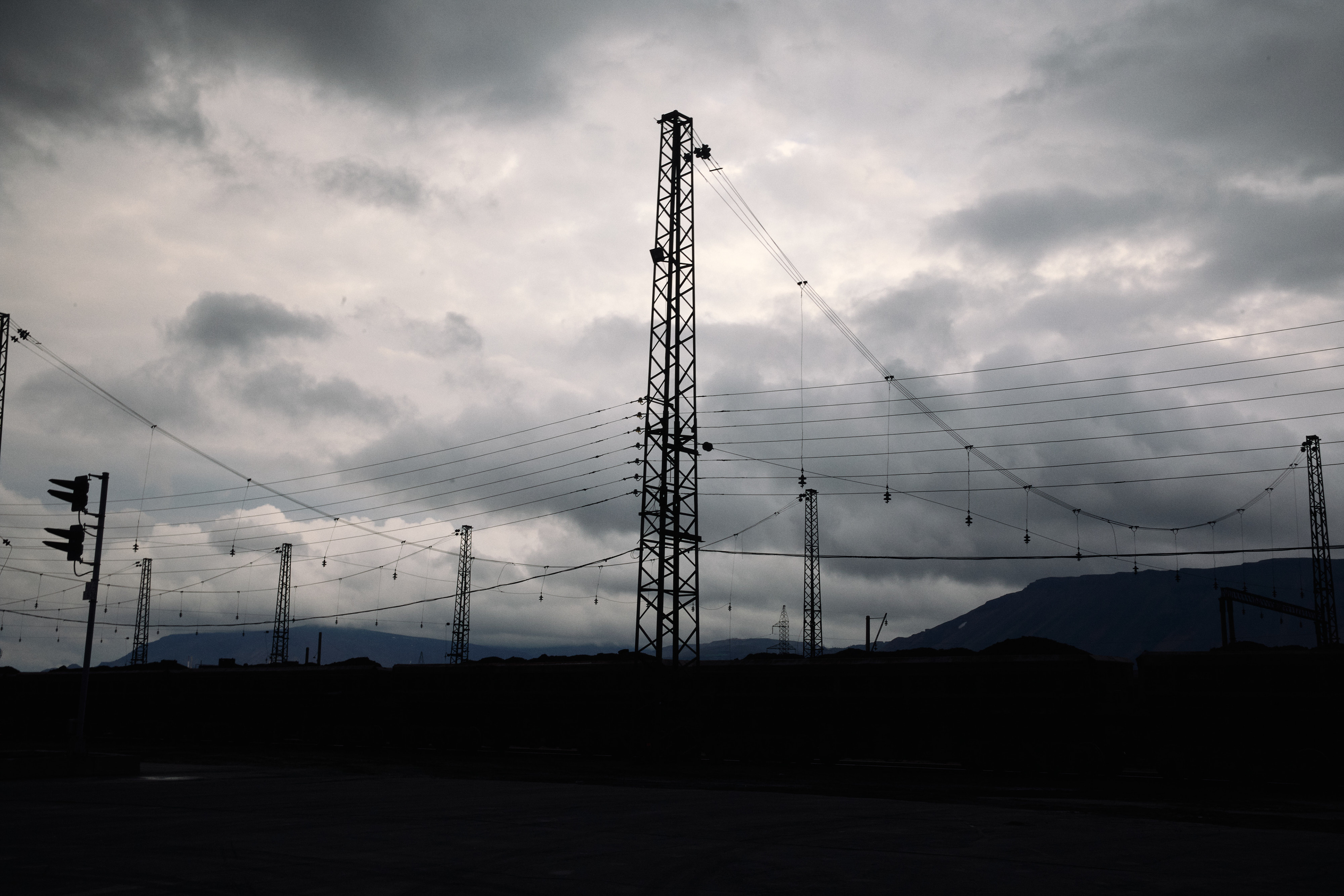
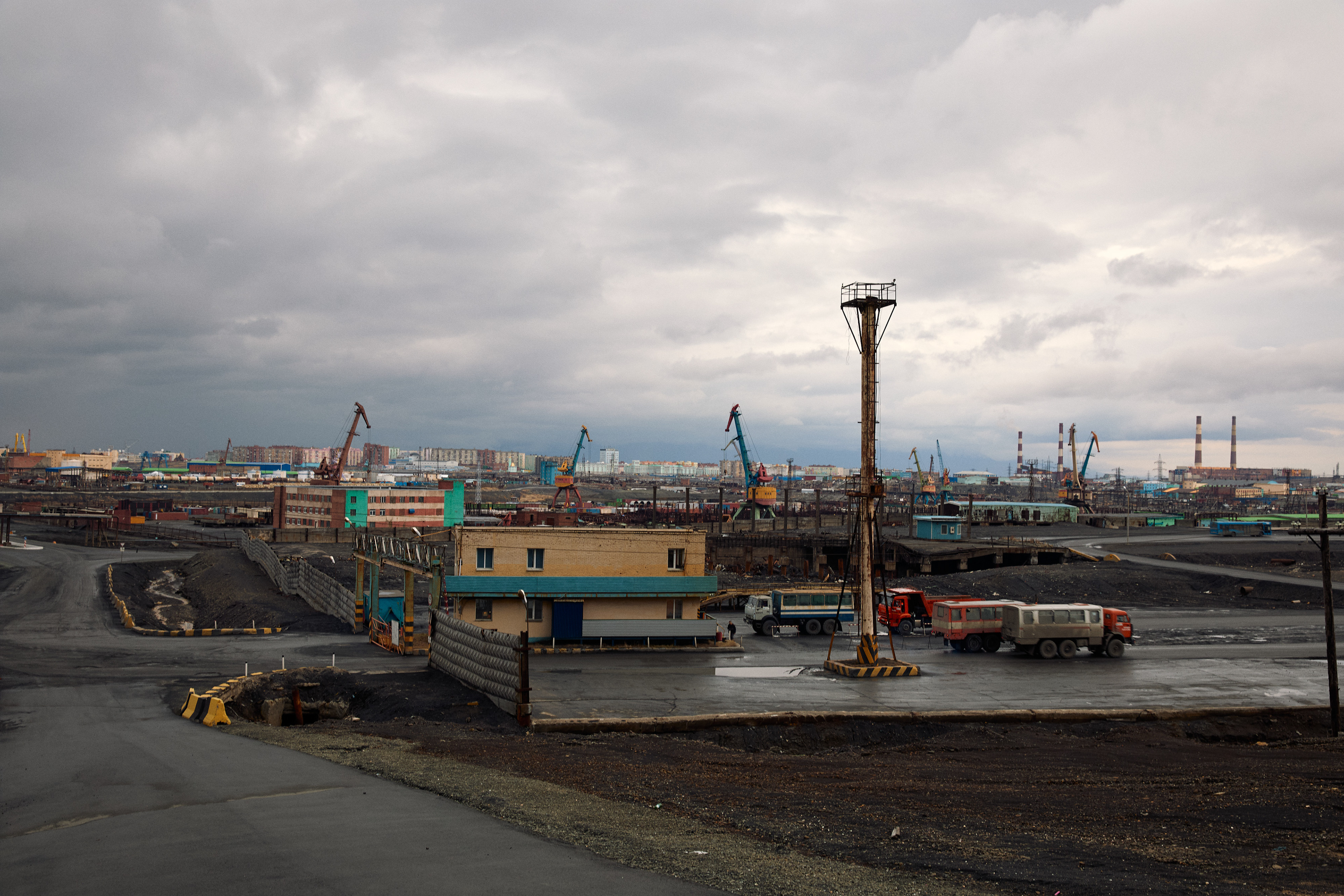
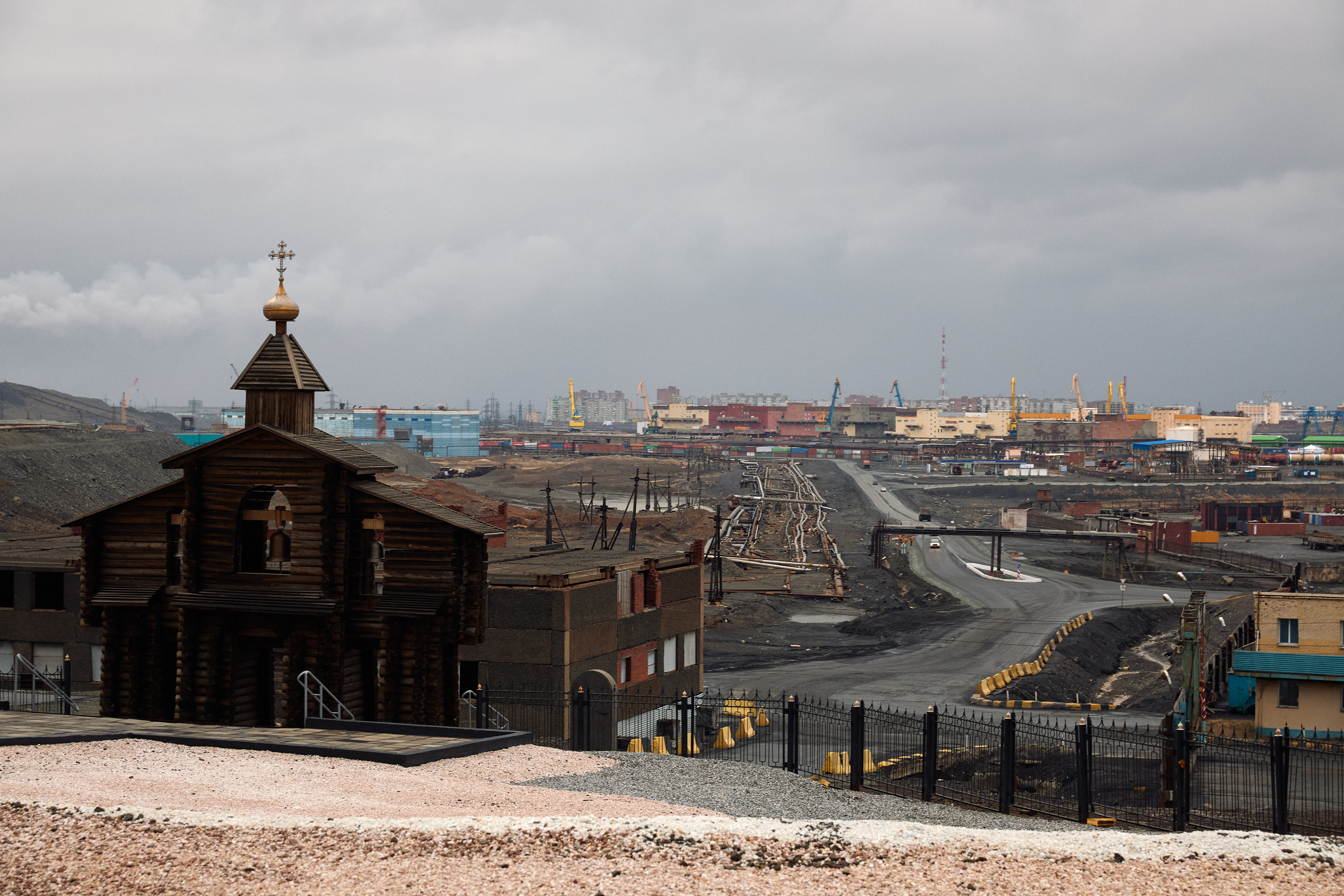
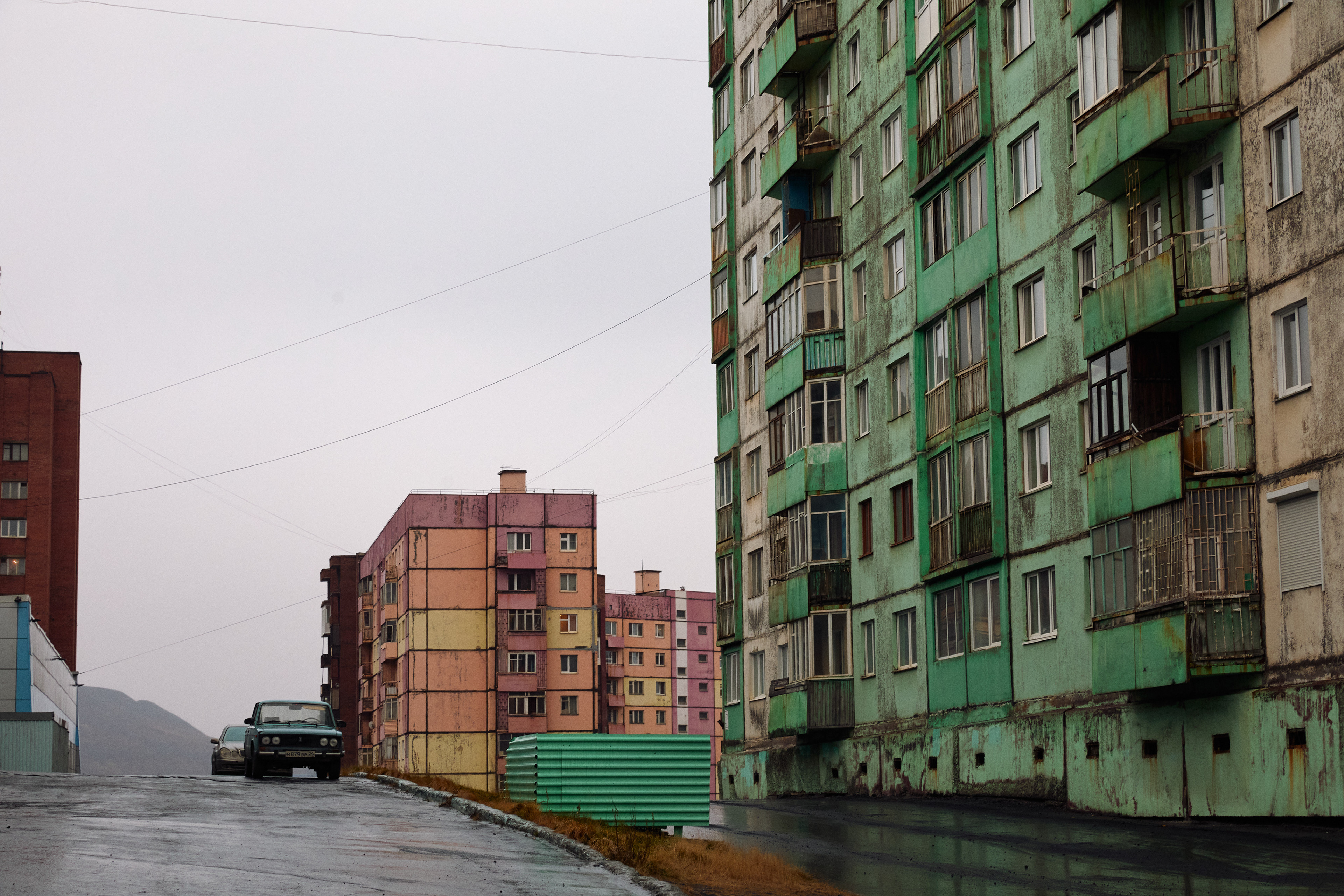
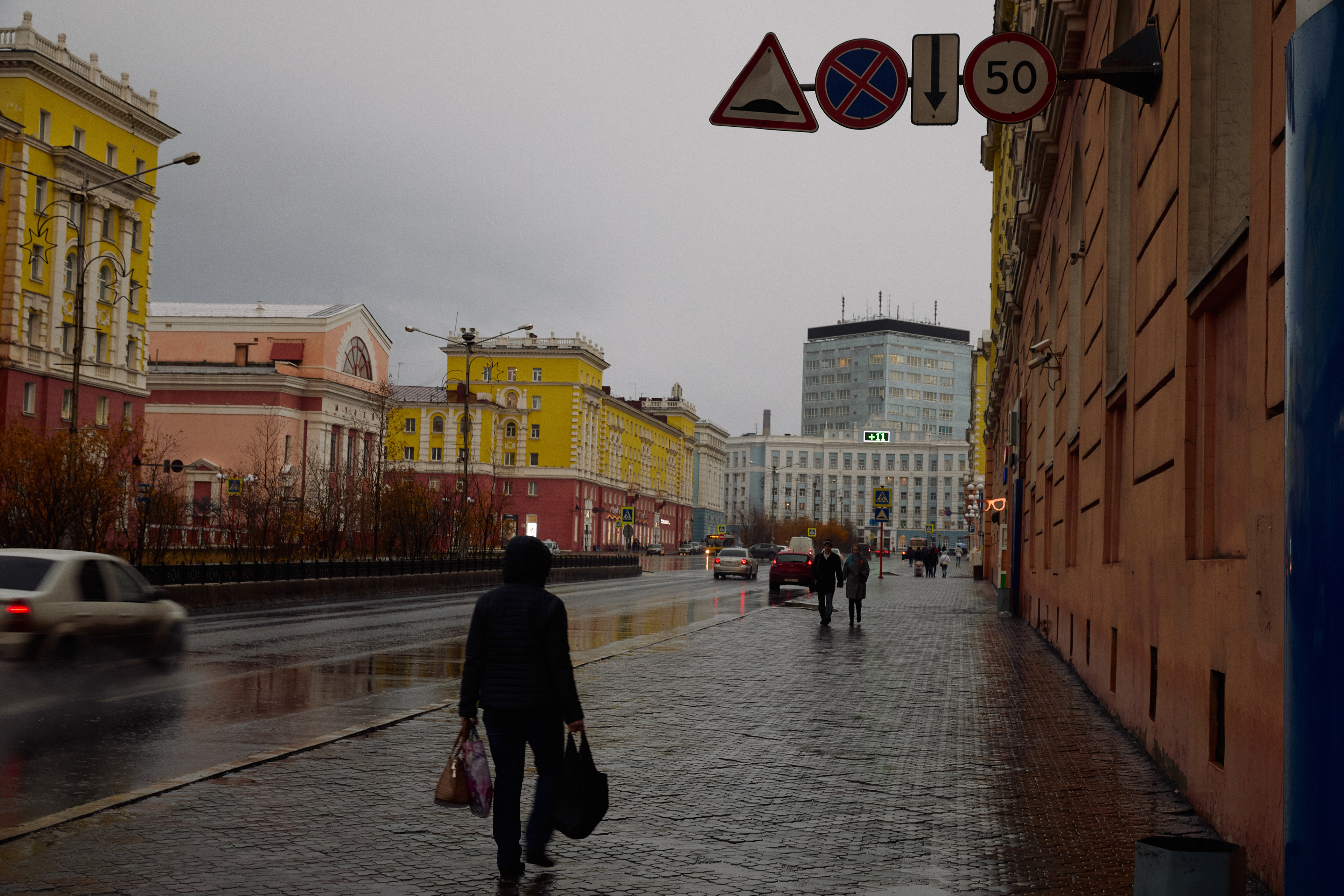
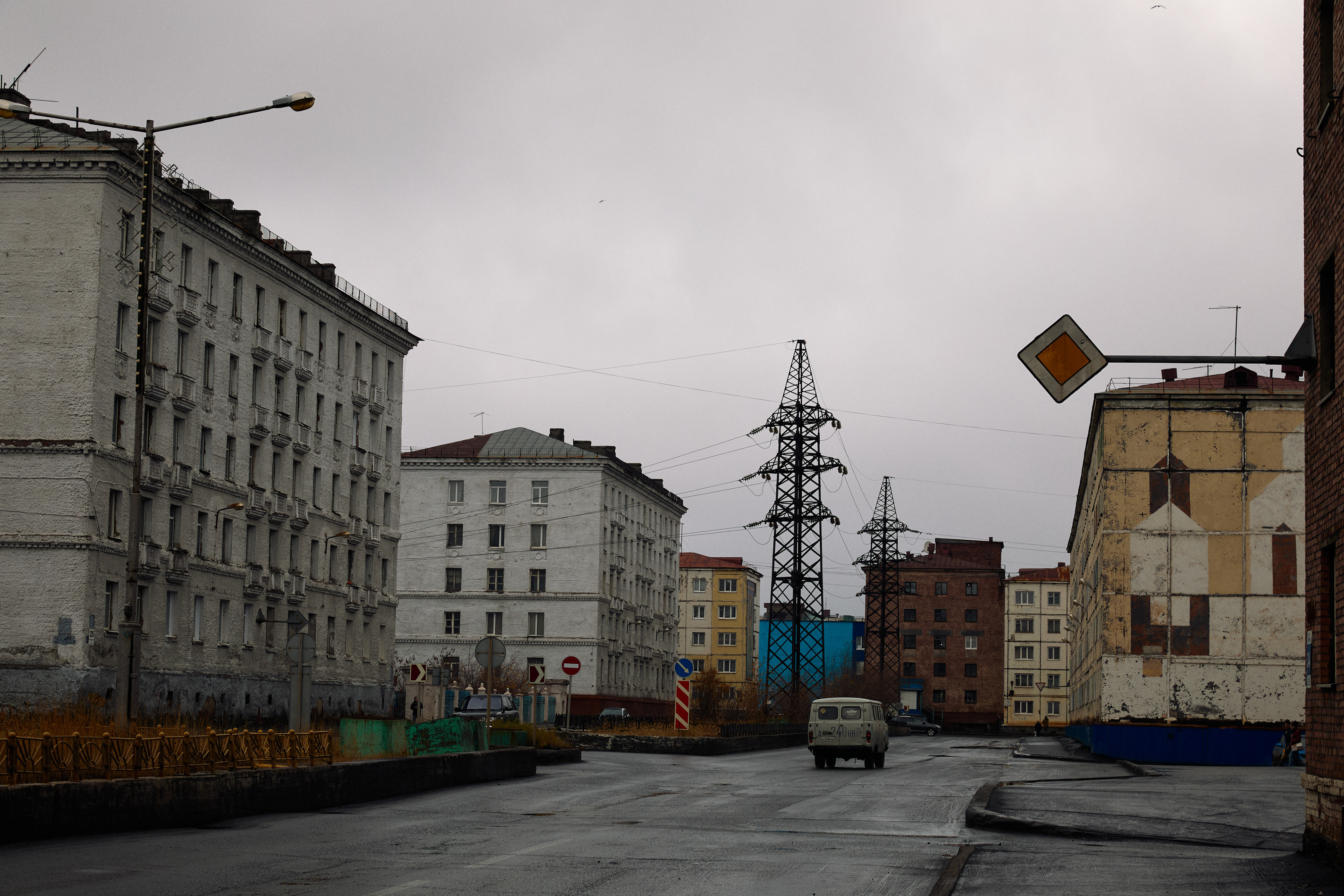
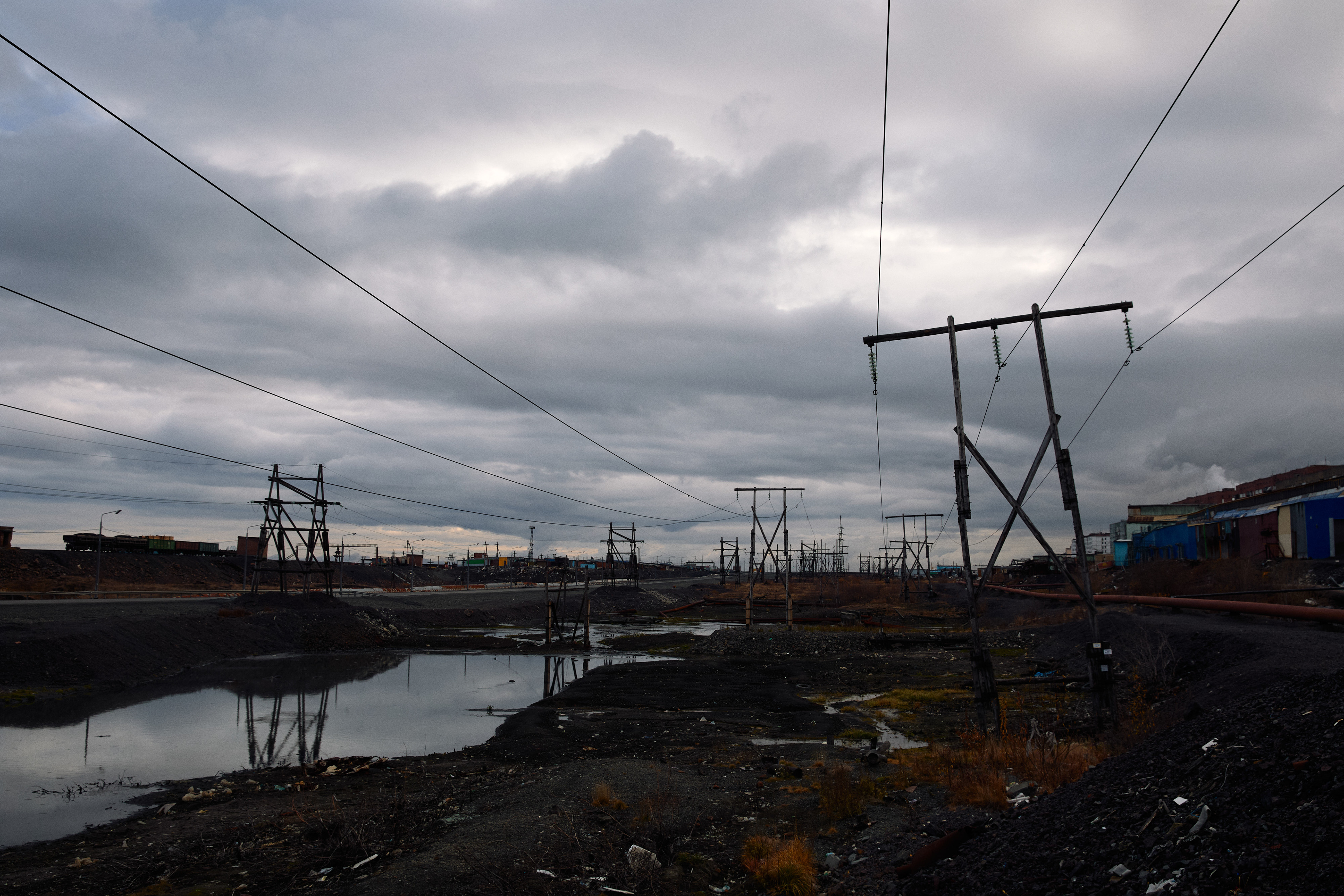
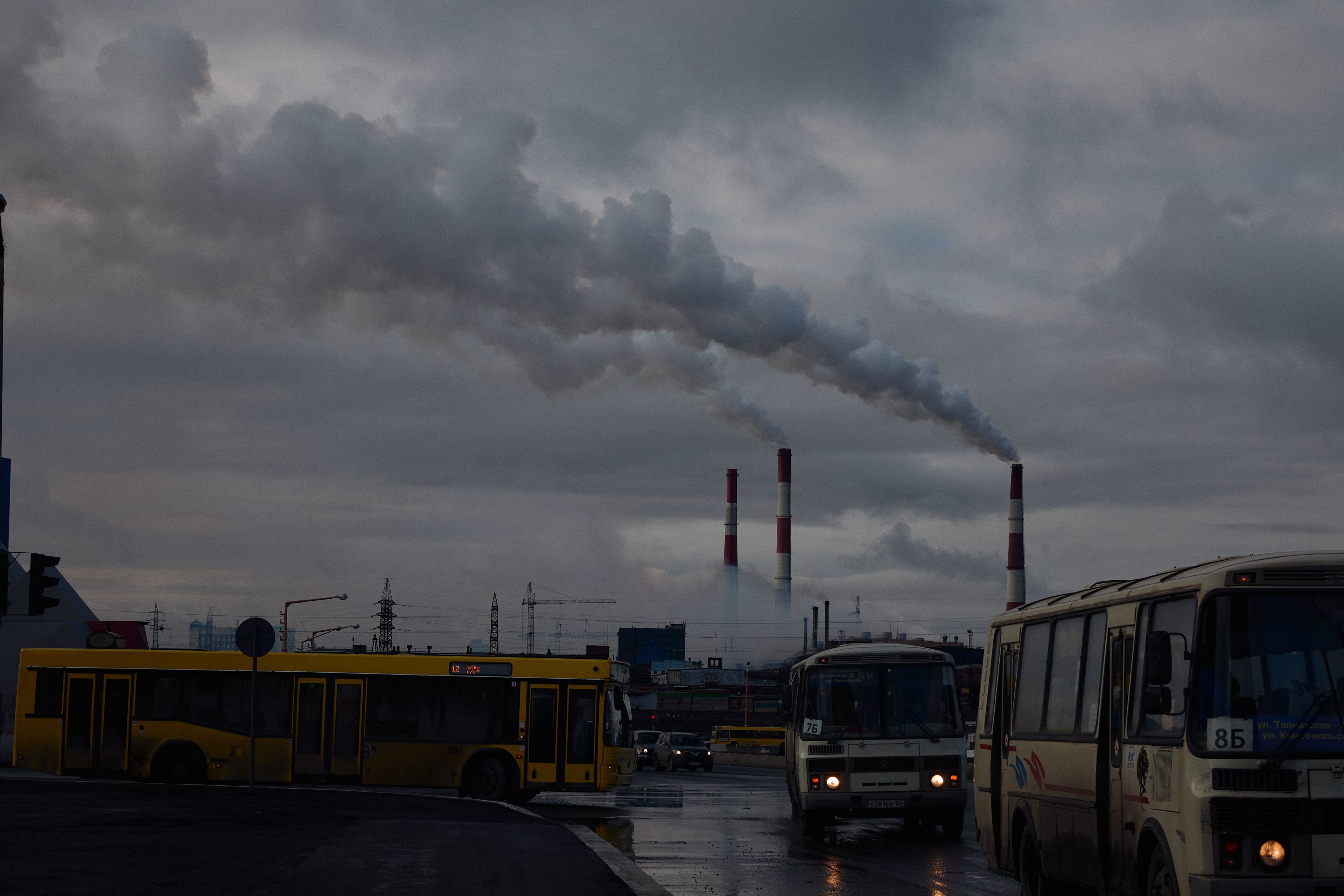
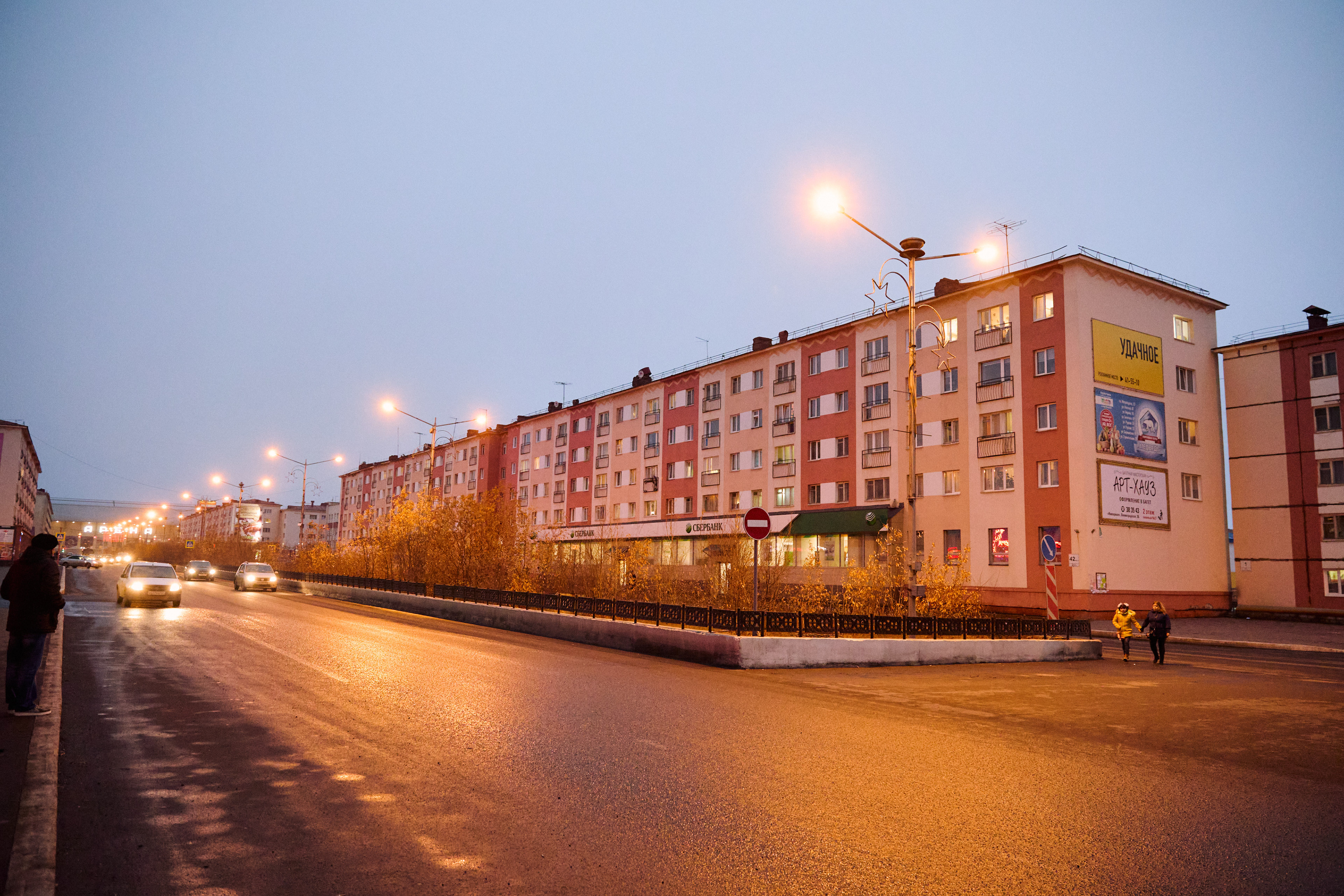
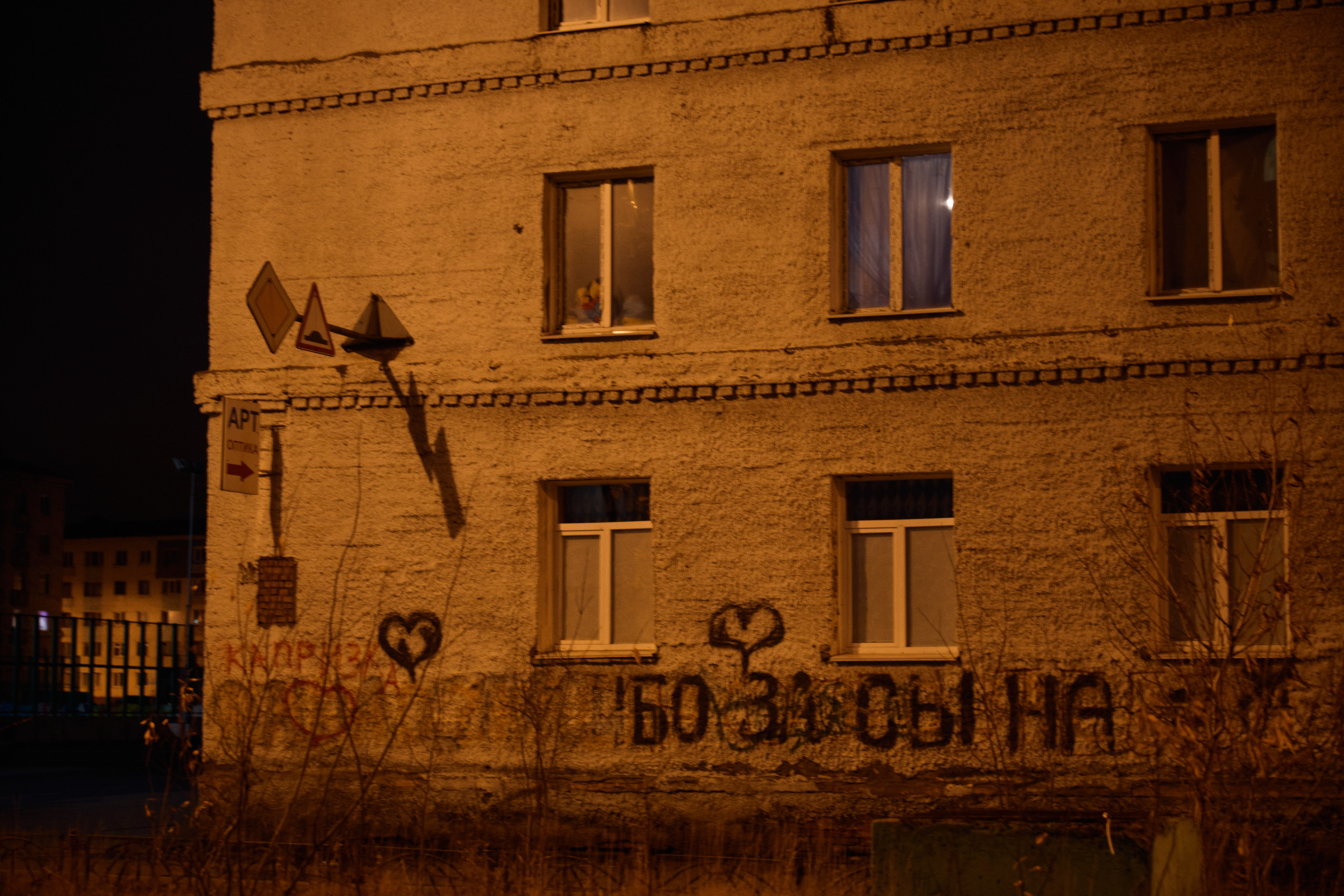
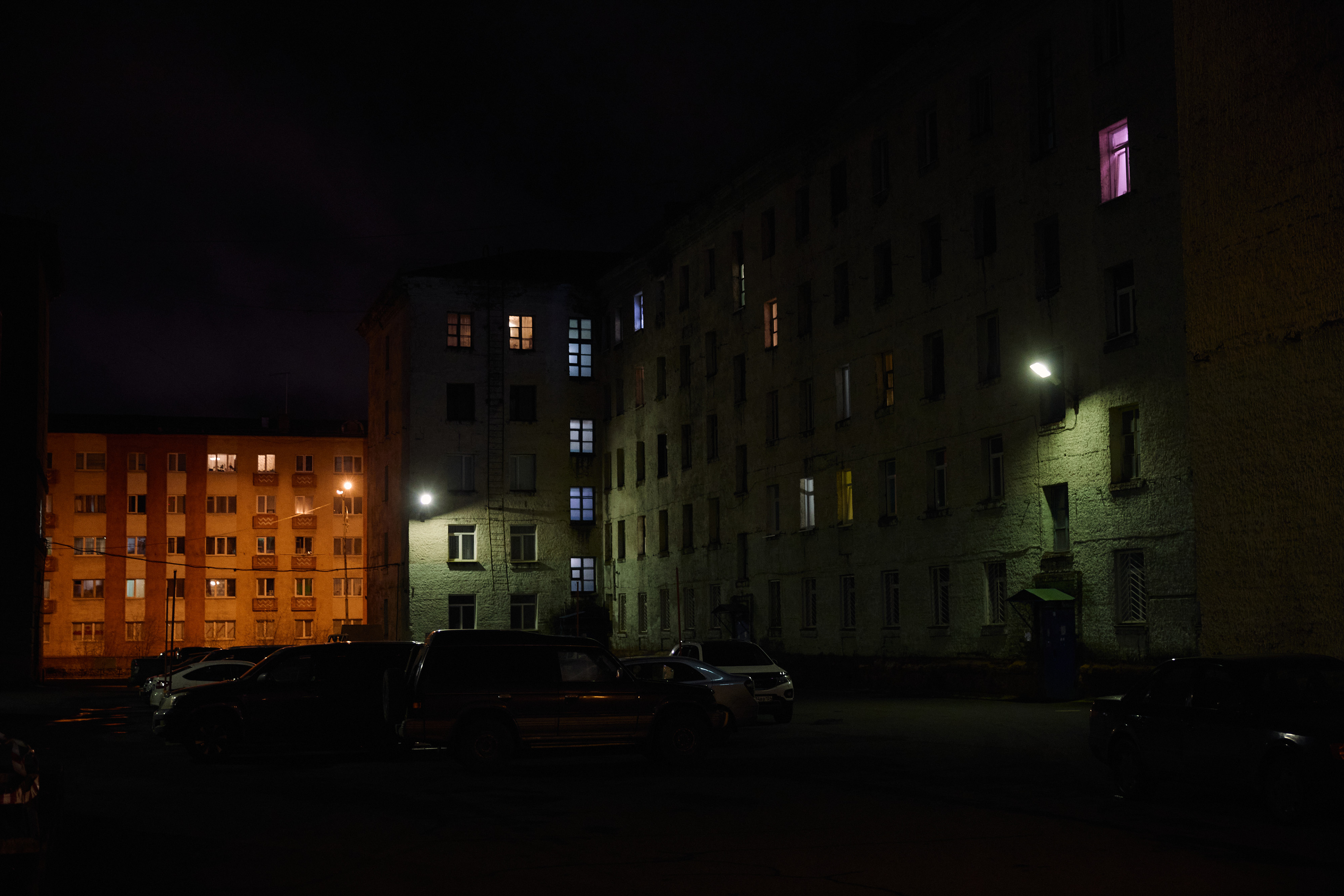
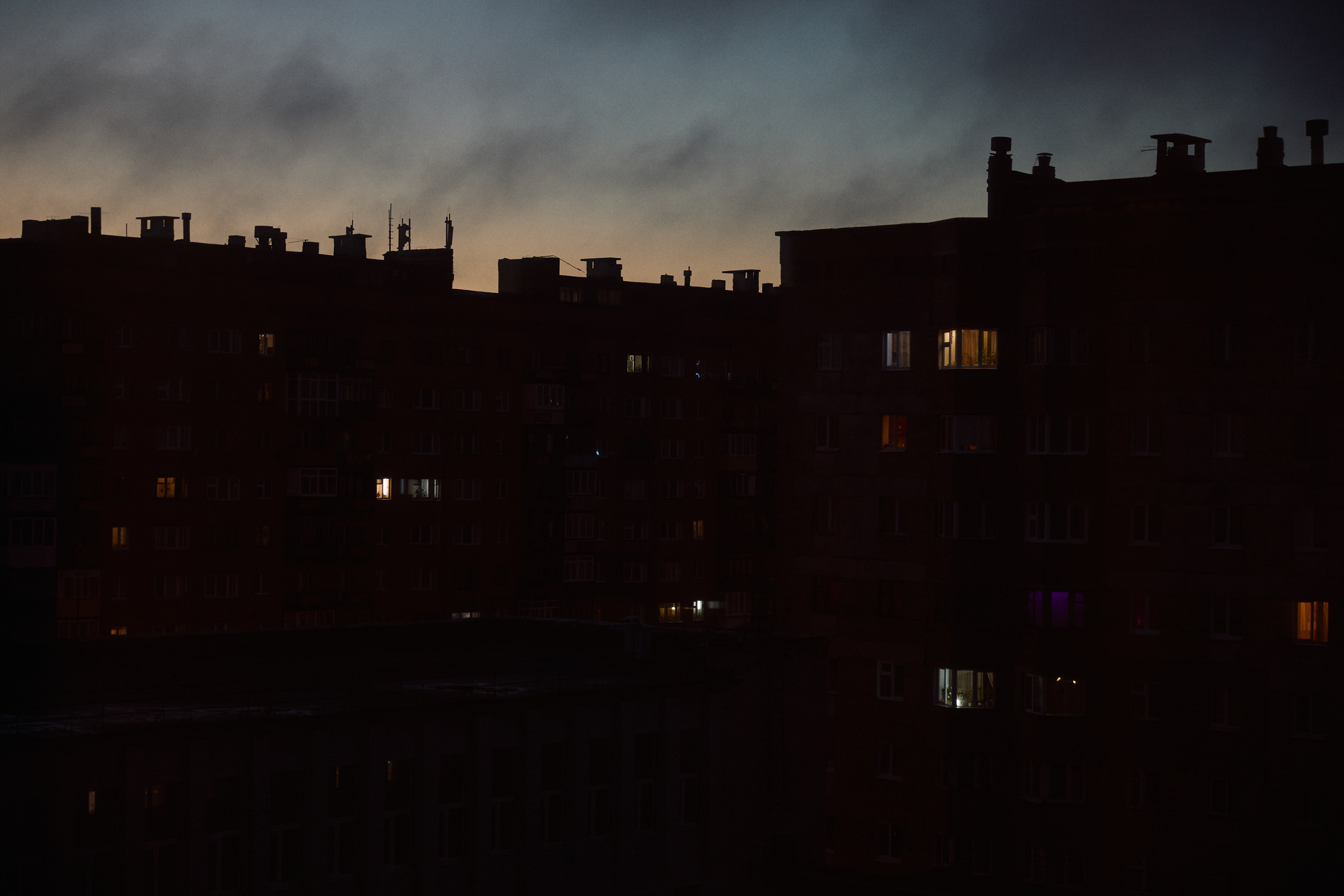
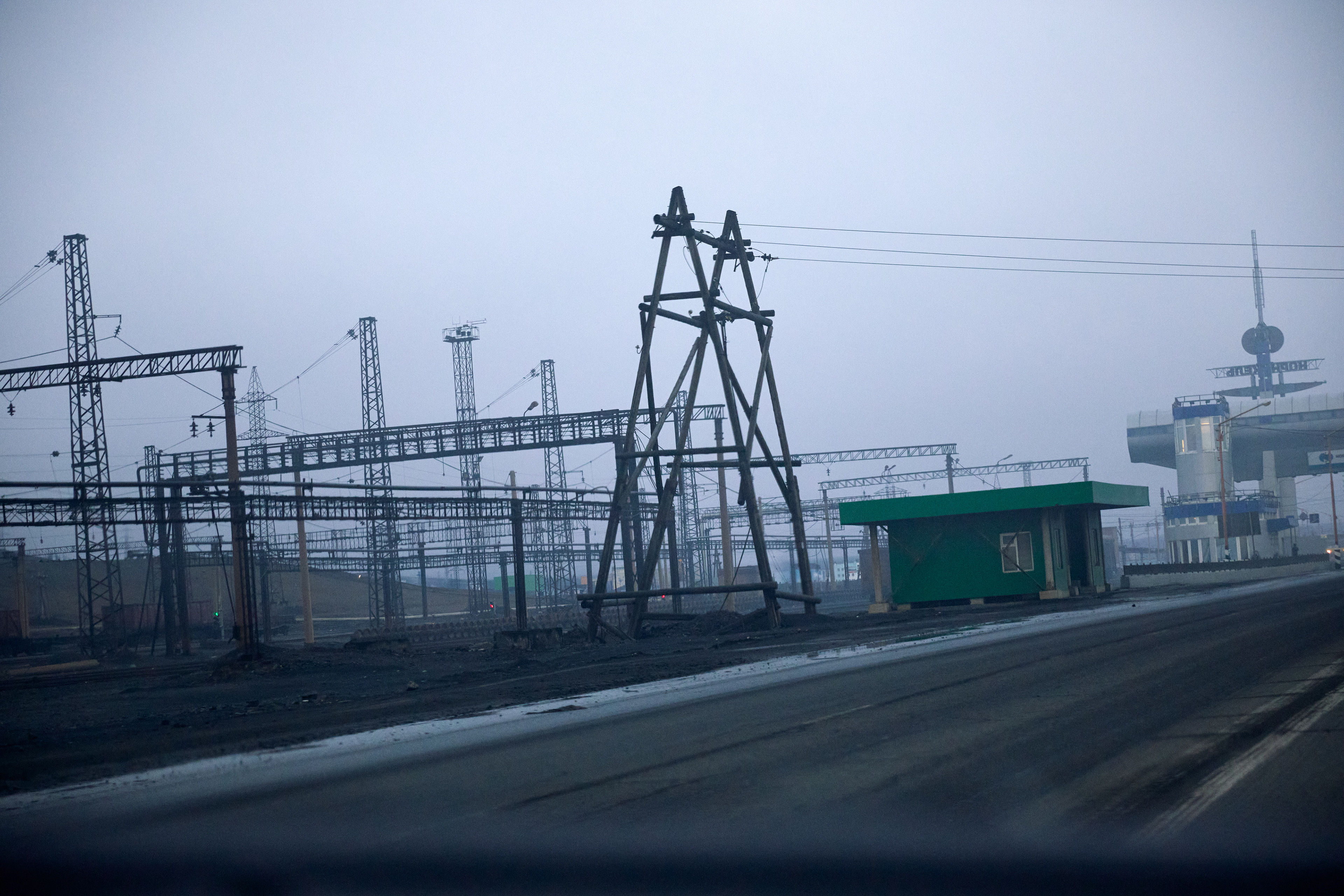
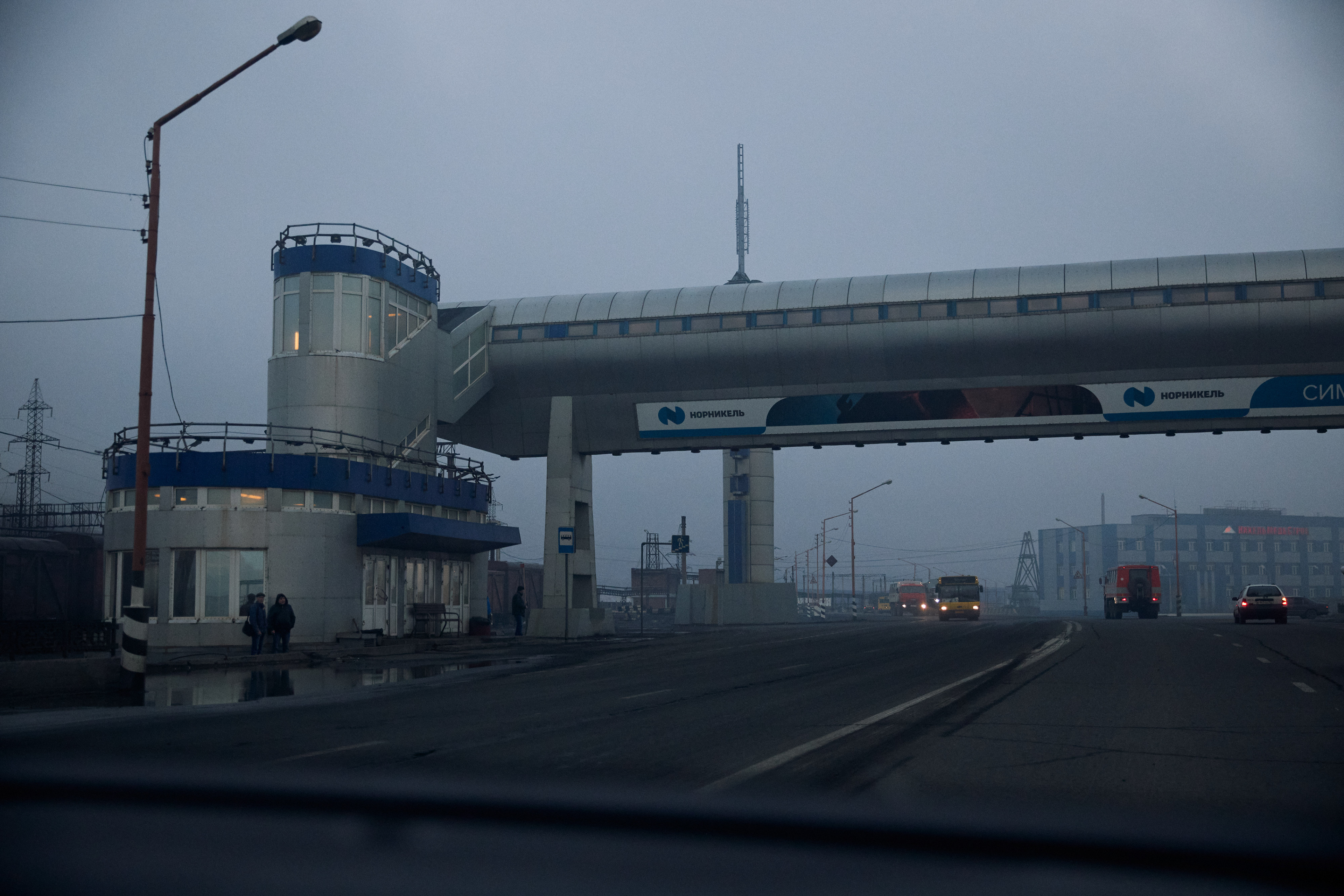
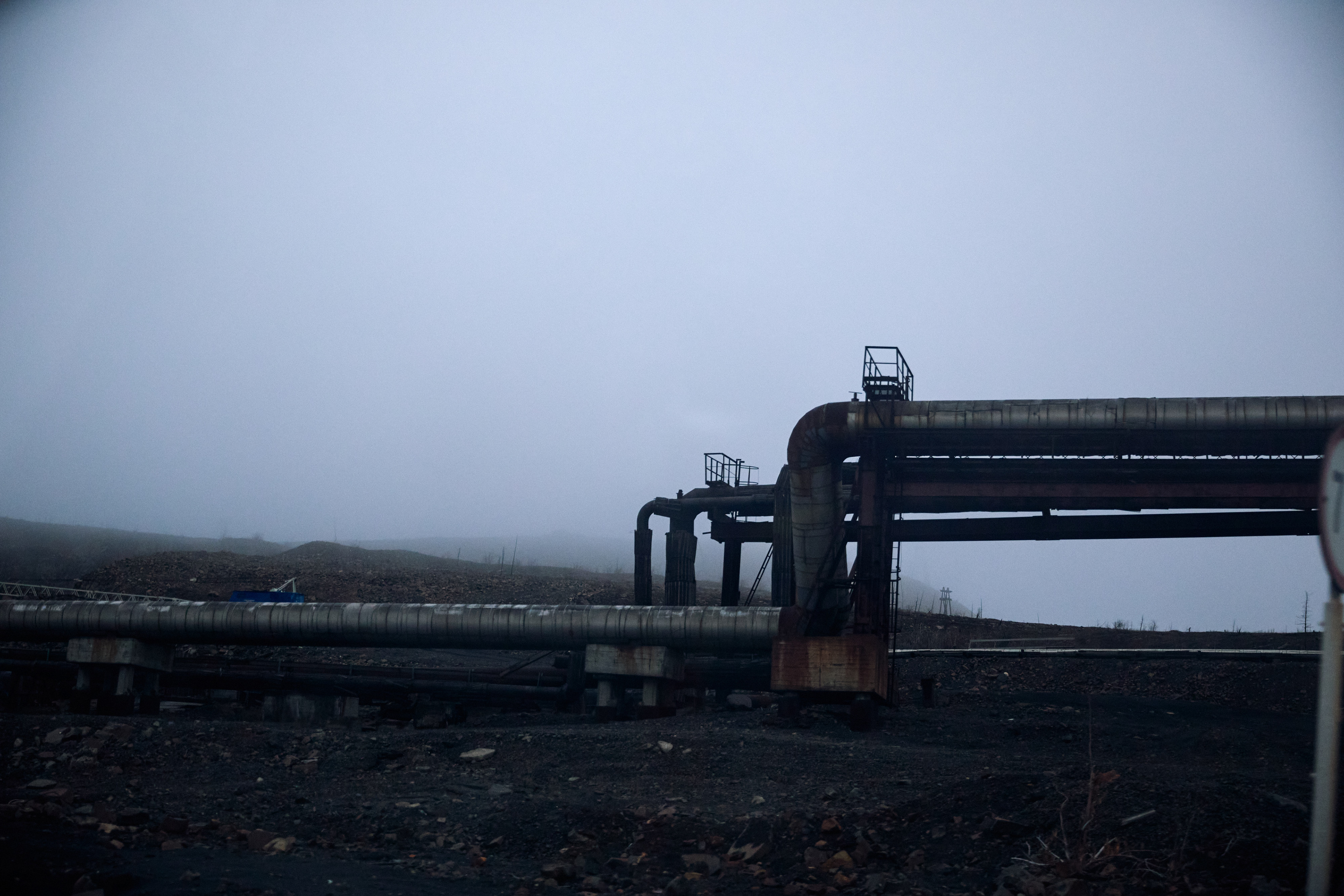
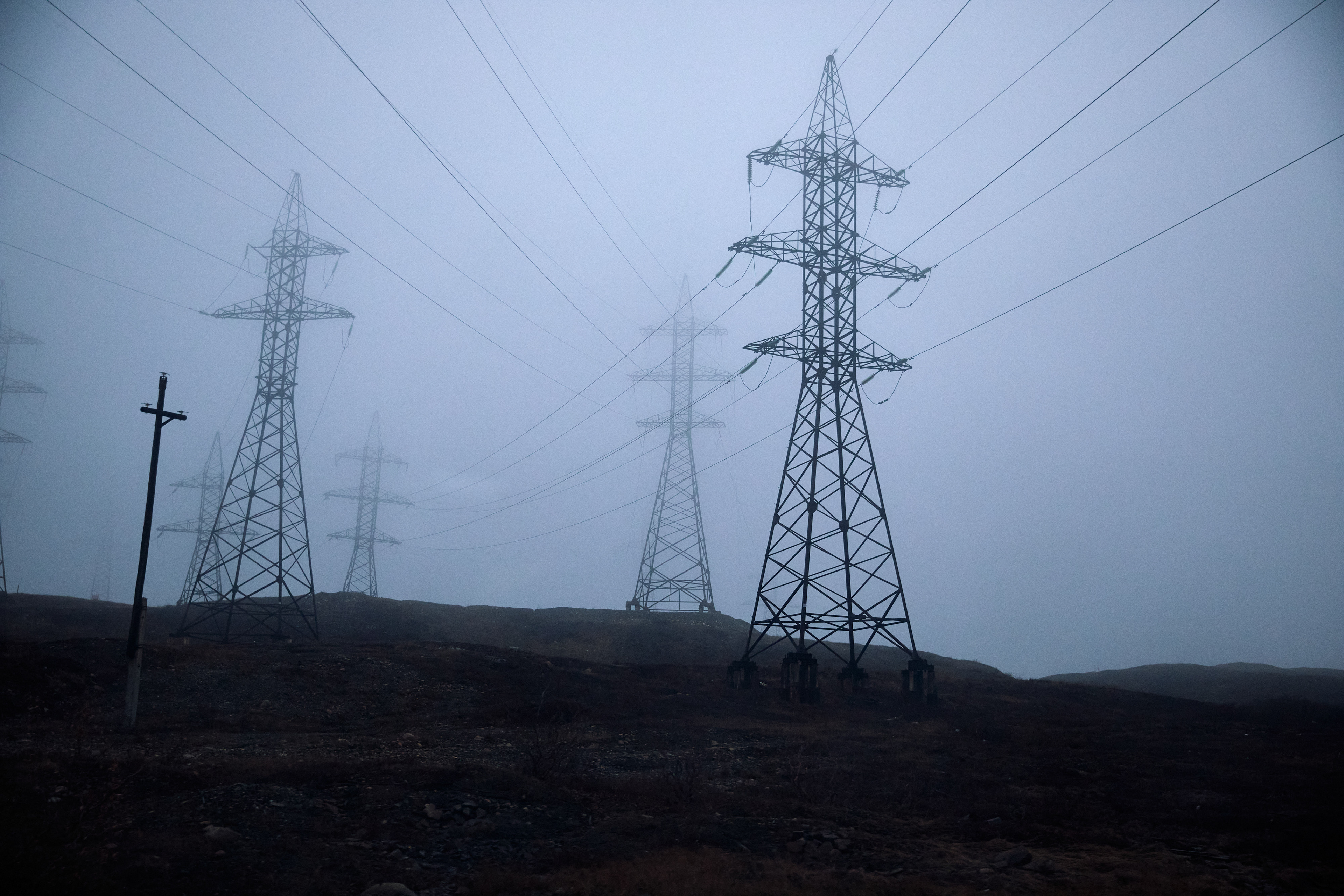
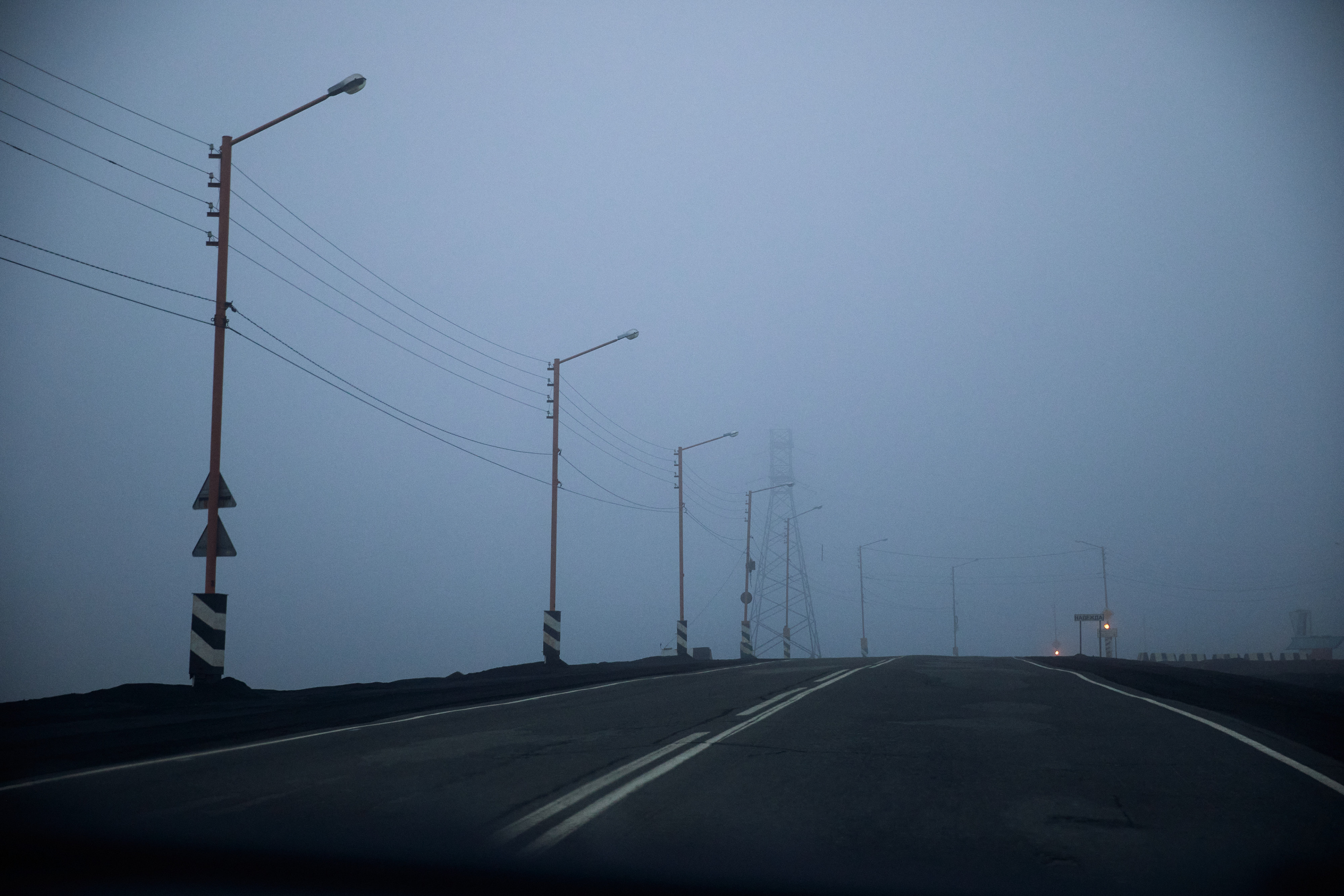
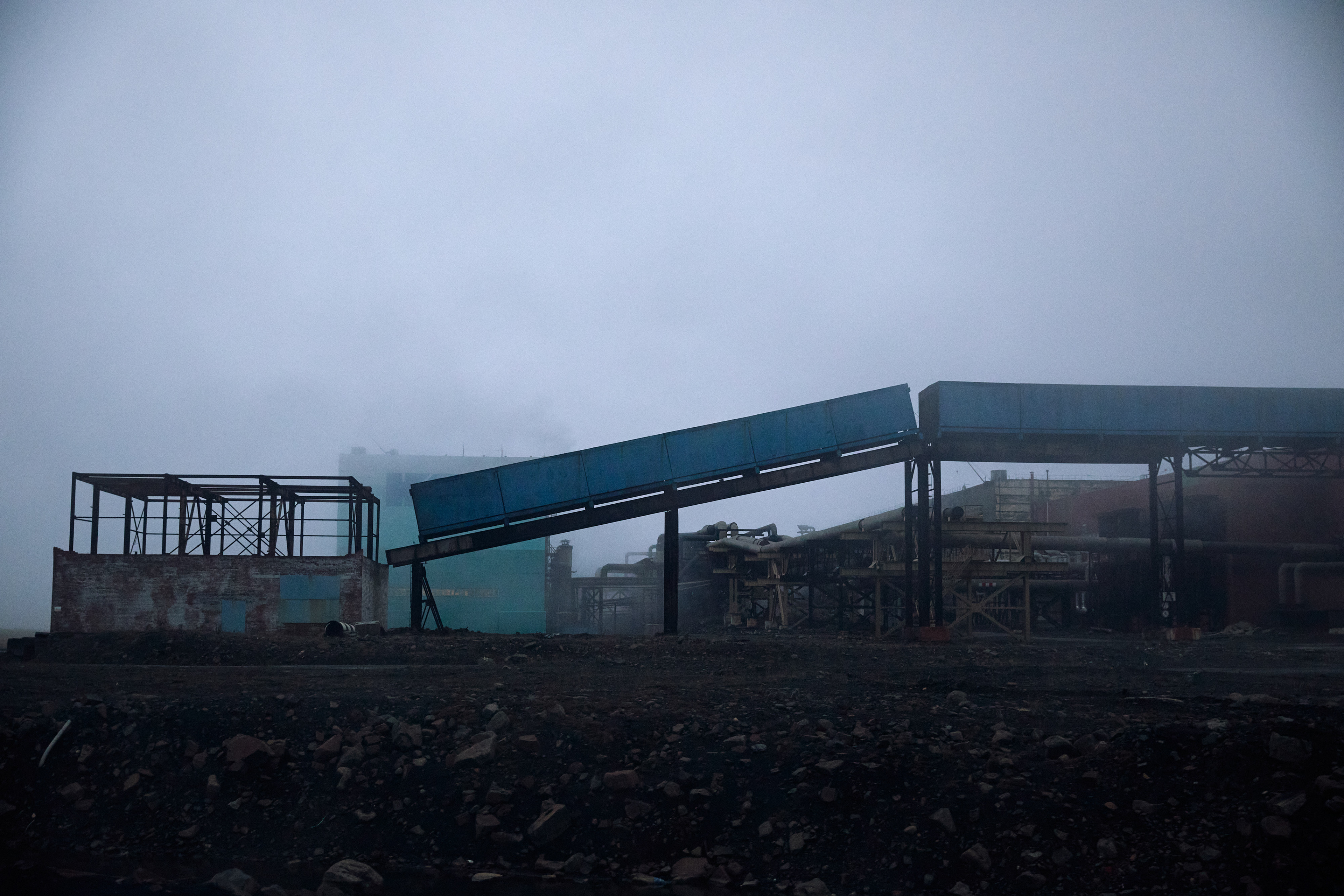
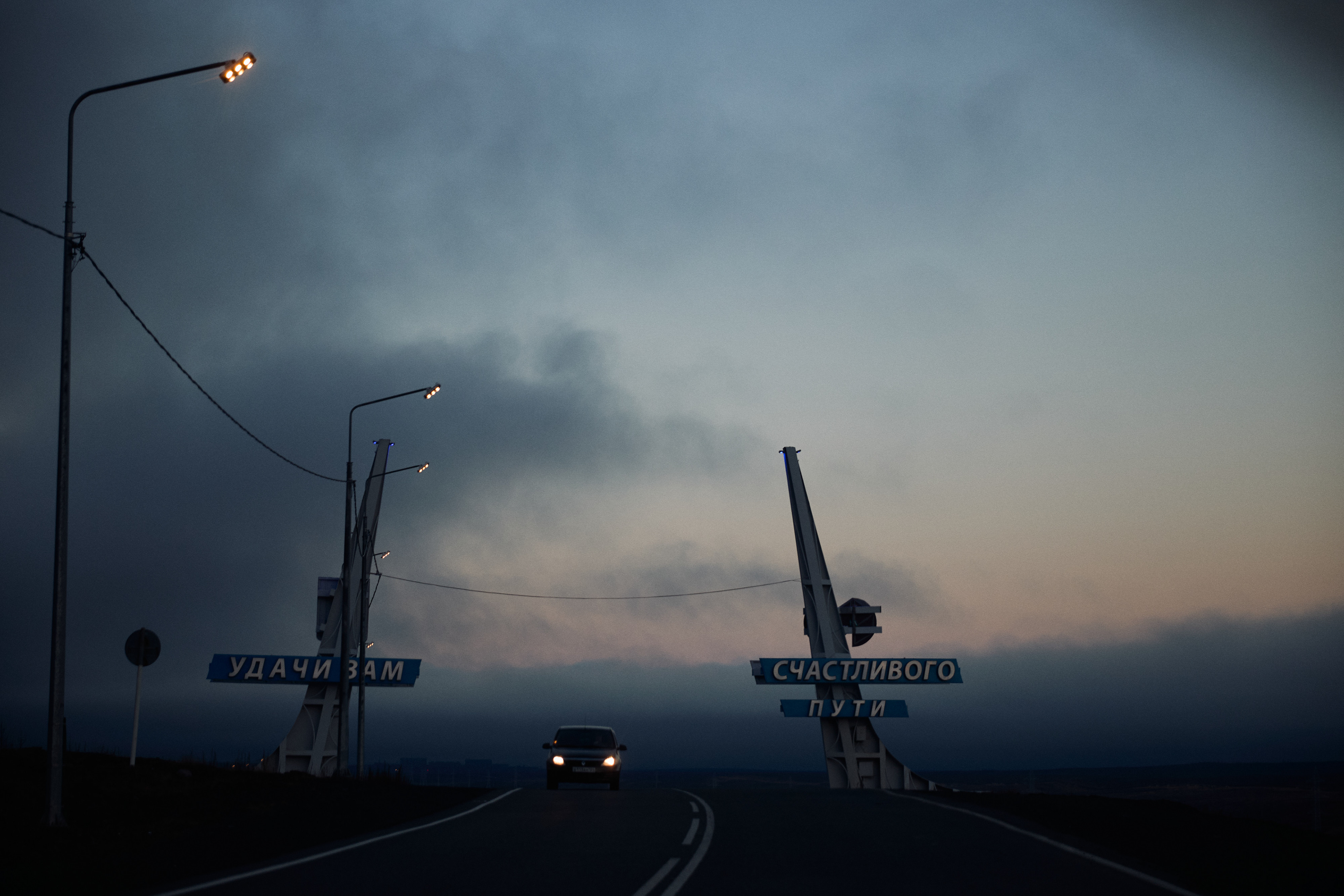
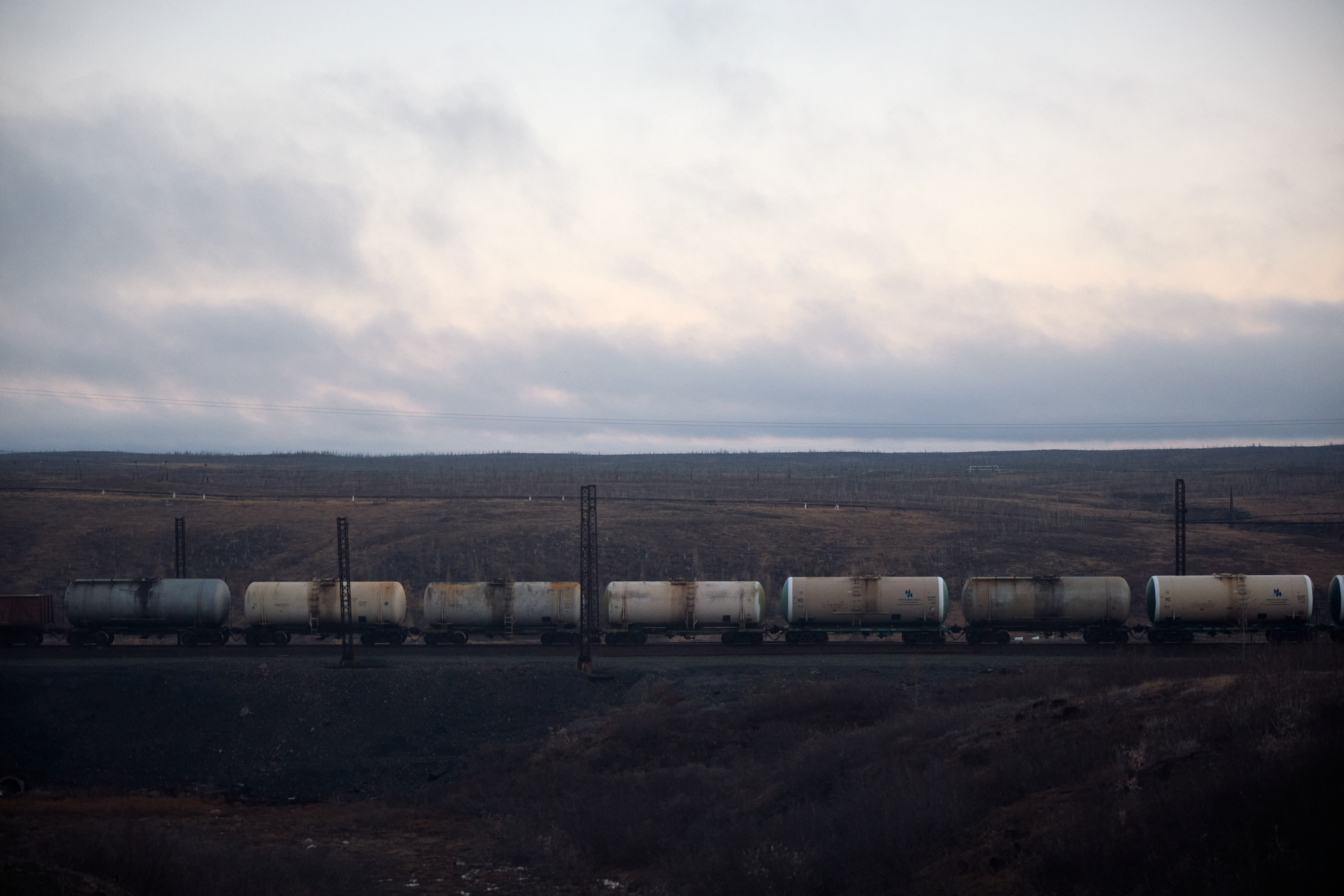
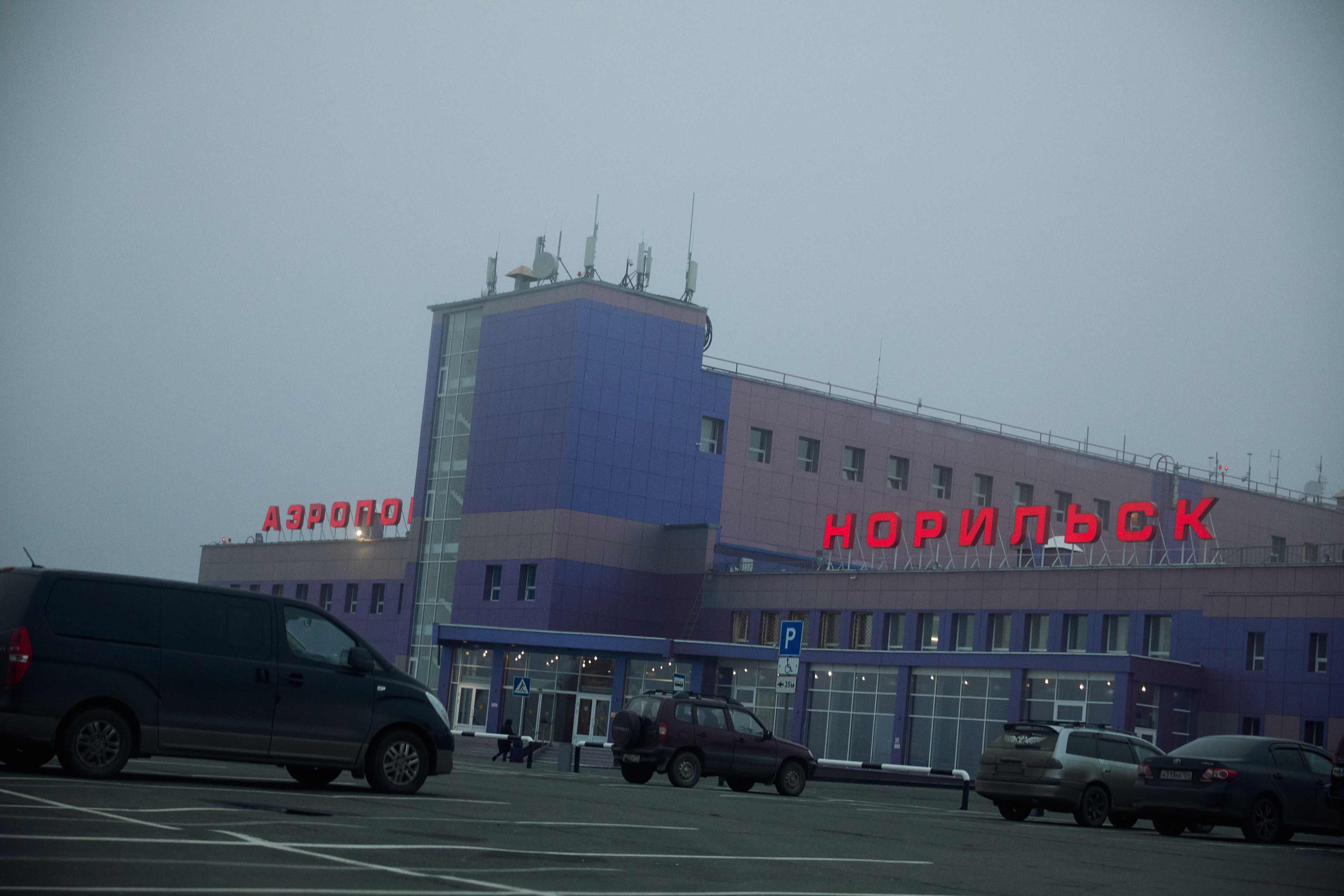
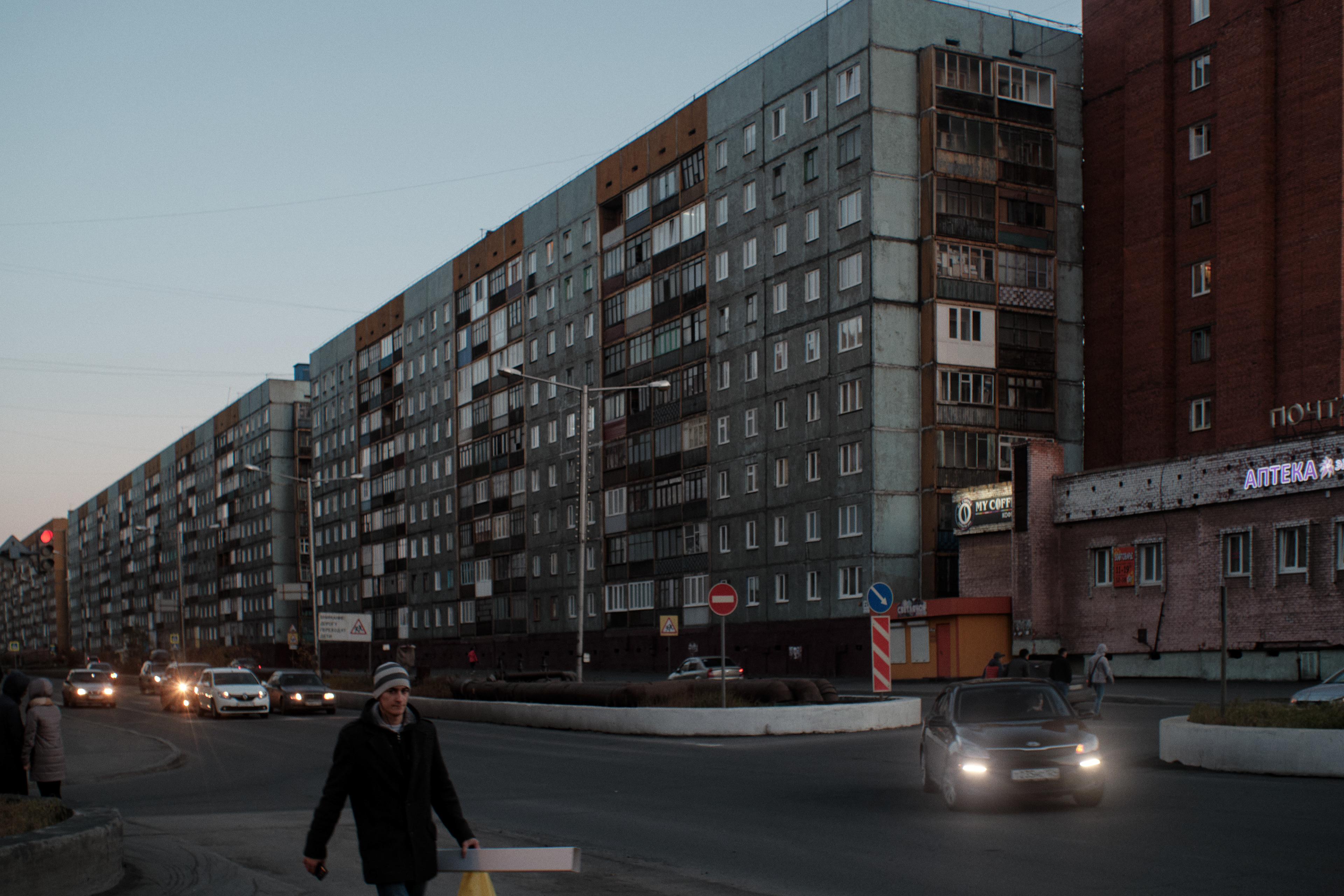
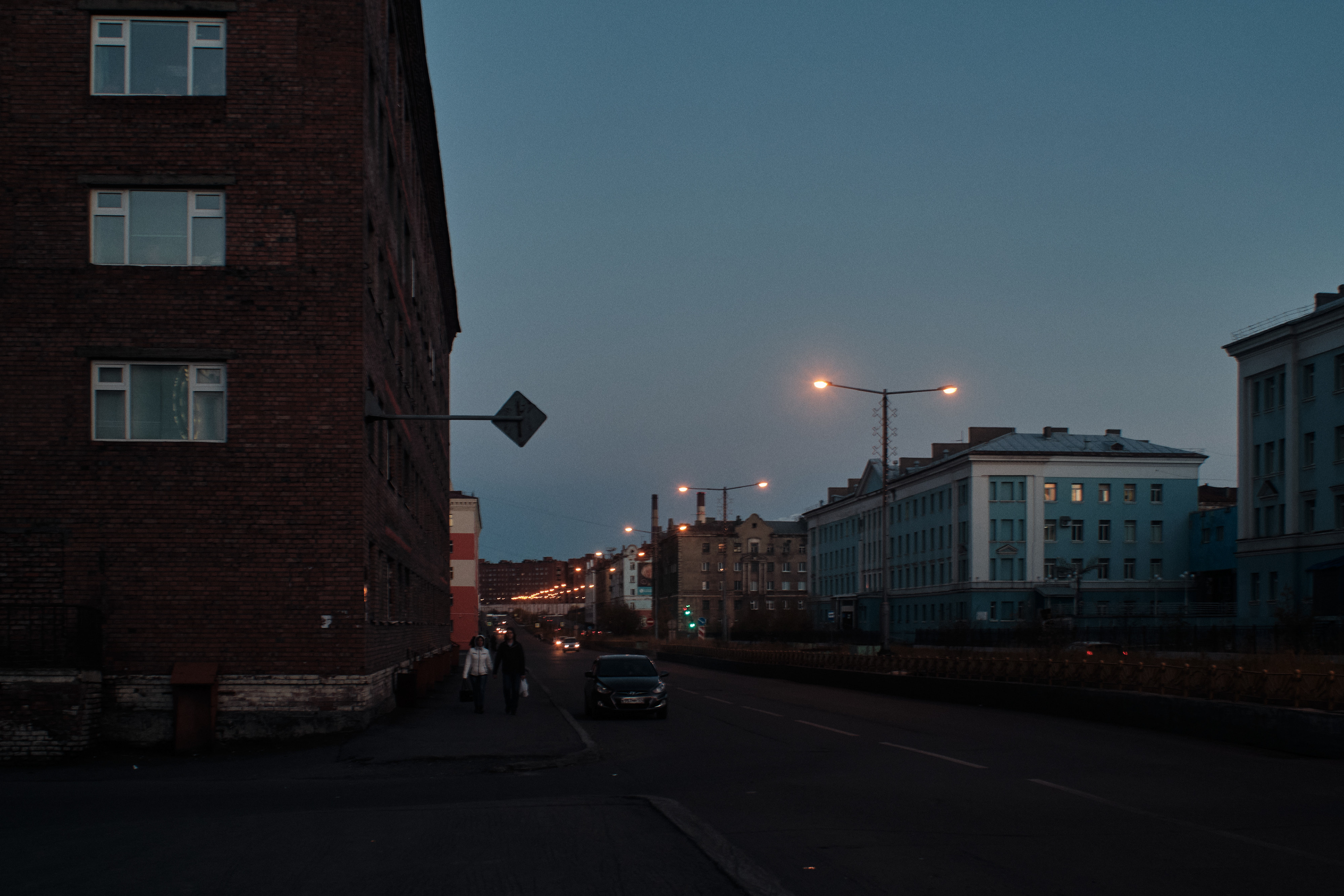
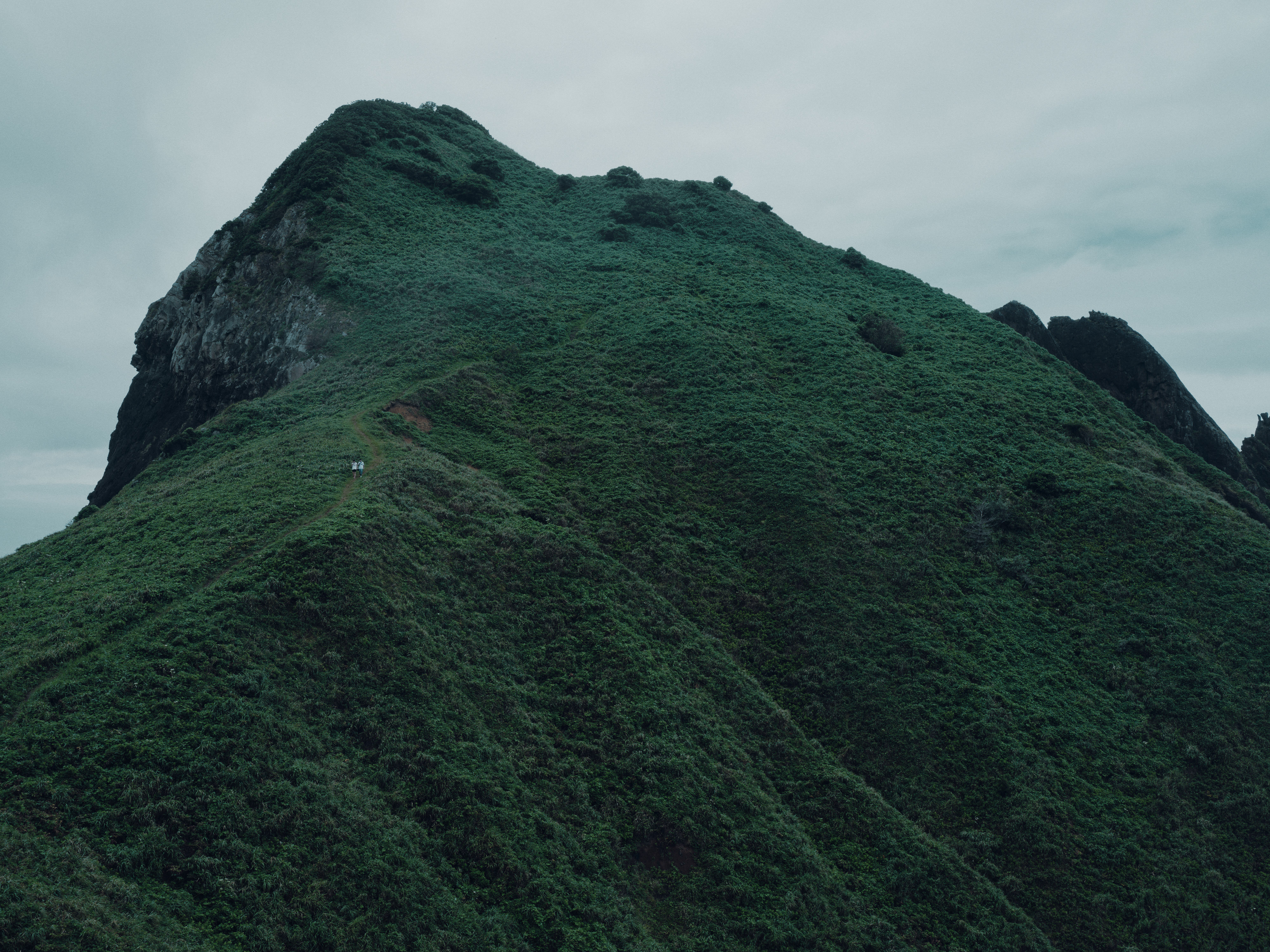
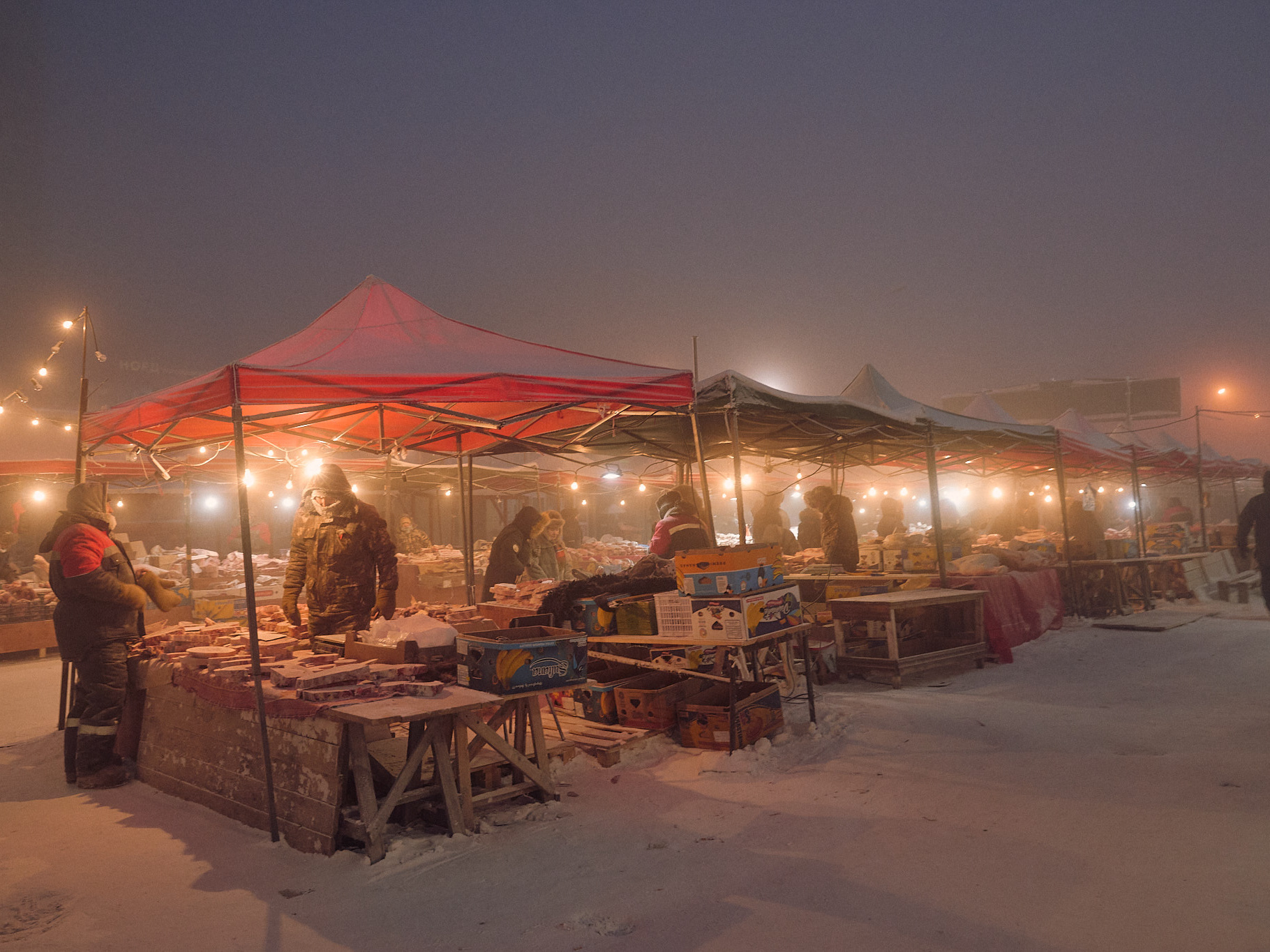
A closed city on the Putorana Plateau in the Arctic Circle, accessible only by air. There are no roads connecting it to any other city. The highway that leads out of town runs past smokestacks and pipelines, through open tundra, and ends. Norilsk is an island on land. The city exists because of what lies beneath the permafrost—nickel, copper, cobalt. To extract these resources, the earth has been excavated and piles driven deep into frozen ground. Factory smoke drifts across rows of apartment blocks where people carry on with ordinary life. Yet only a short distance from the industrial zone, the Putorana Plateau opens into a landscape with no roads, no structures, and no extraction. On the shores of its lakes, people fish, build fires, and sleep in cabins, living with the land rather than cutting into it. Two forms of coexistence occupy the same territory: one that reshapes the earth to sustain a city, and one that leaves it as it is. In Norilsk, they exist side by side, separated by nothing more than a few kilometers of tundra.
北極圏に位置する閉鎖都市ノリリスク。空路でしかたどり着けない。他の都市へ続く道路は存在しない。町から延びる道は煙突とパイプラインの間を抜け、ツンドラを貫き、そして途切れる。ノリリスクは陸の孤島である。この都市が存在するのは、永久凍土の下にニッケル、銅、コバルトが埋まっているからだ。資源を取り出すために大地は掘削され、凍った地盤に杭が打ち込まれてきた。工場の煙が集合住宅の列を横切る中で、人々は日常を送っている。しかし工業地帯からわずかな距離を置いたプトラナ台地には、道も構造物も採掘もない風景が広がっている。湖畔で魚を釣り、火を焚き、小屋で眠る人々がいる。大地に手を加えることなく、そのままの土地とともに暮らしている。地形を作り変えて都市を維持する共存と、地形に手を加えずに暮らす共存。ノリリスクでは、この二つの形がツンドラを数キロメートル隔てただけで隣り合っている。