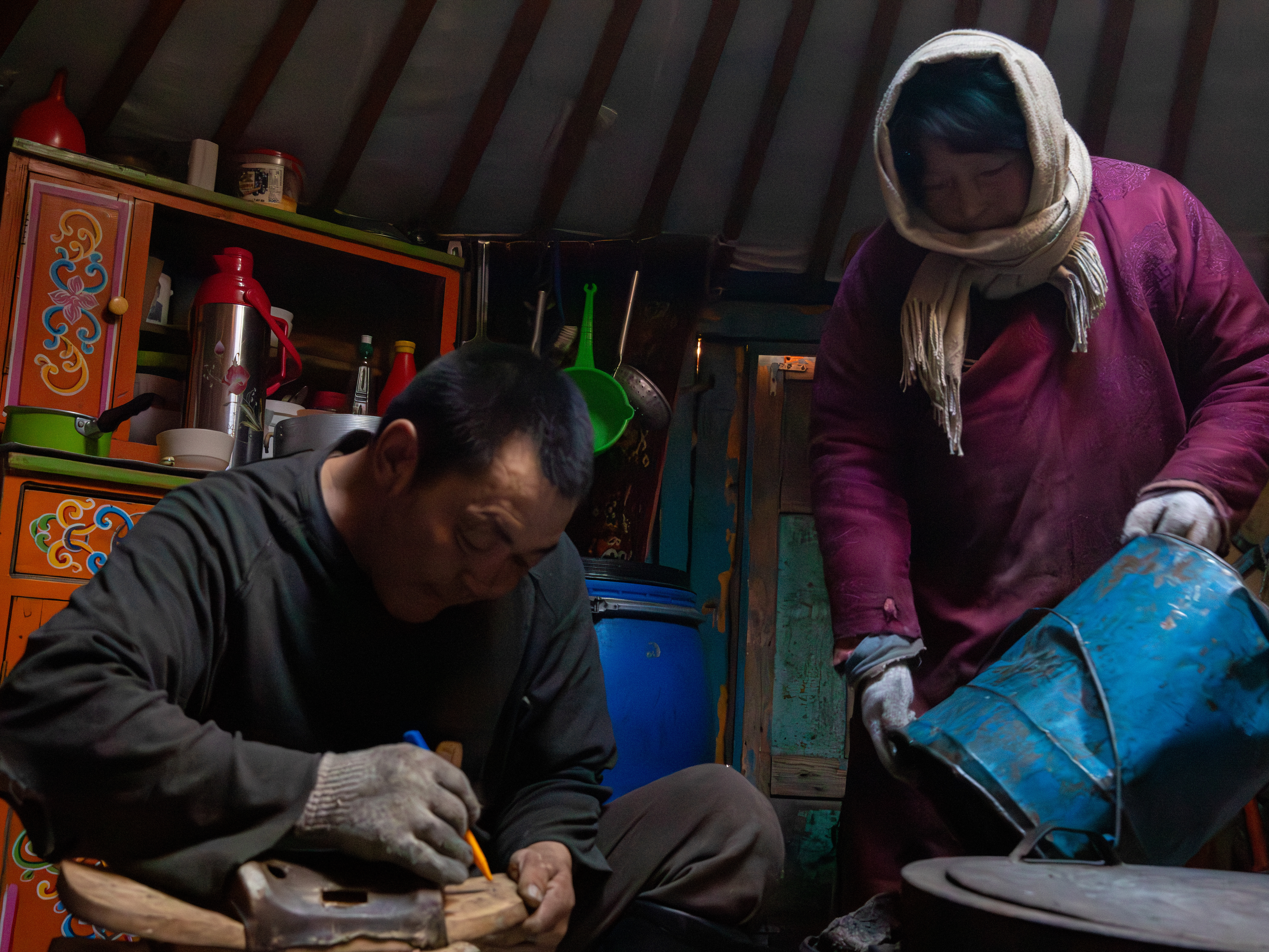
Mongolia
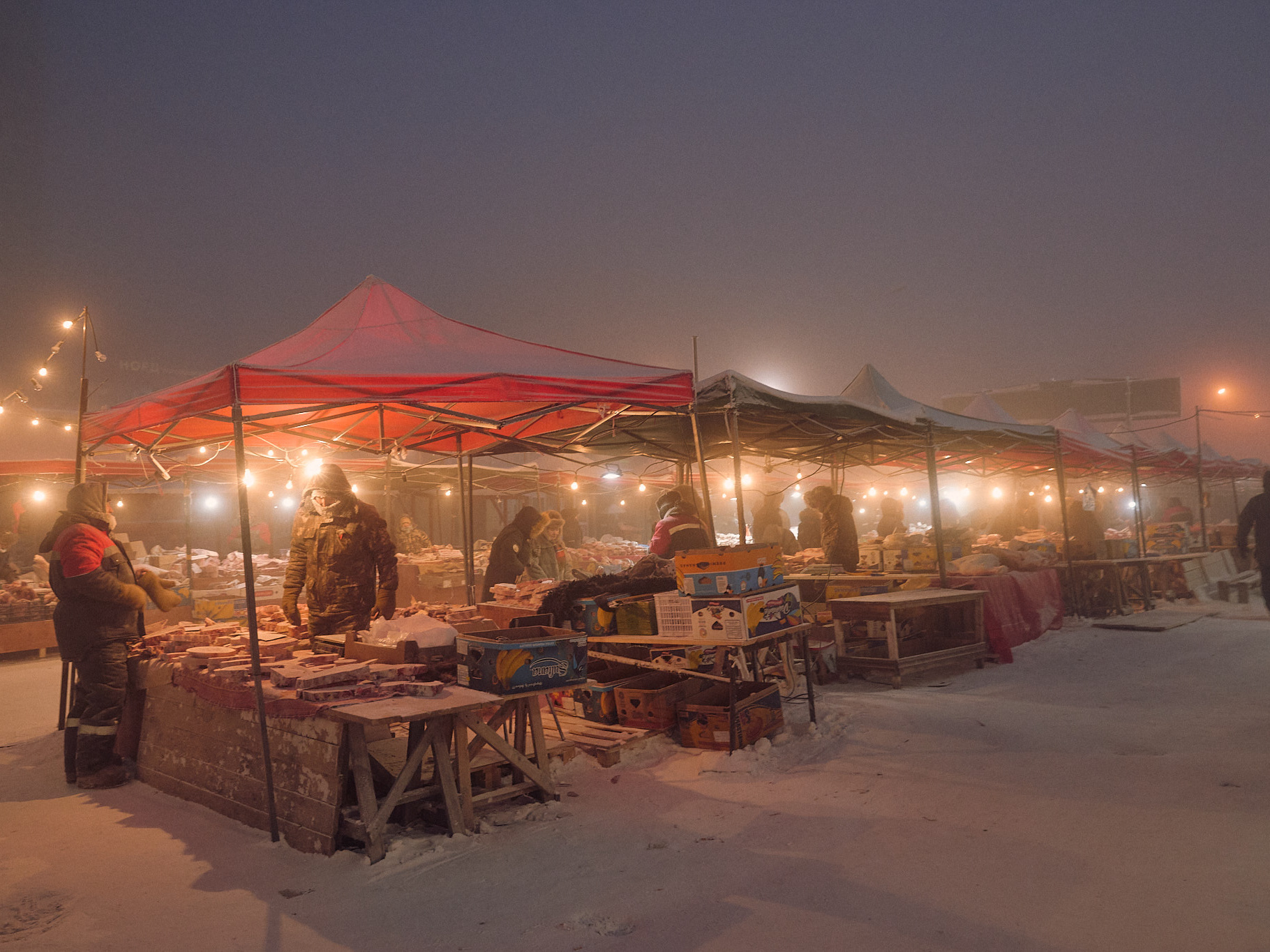
Yakutsk
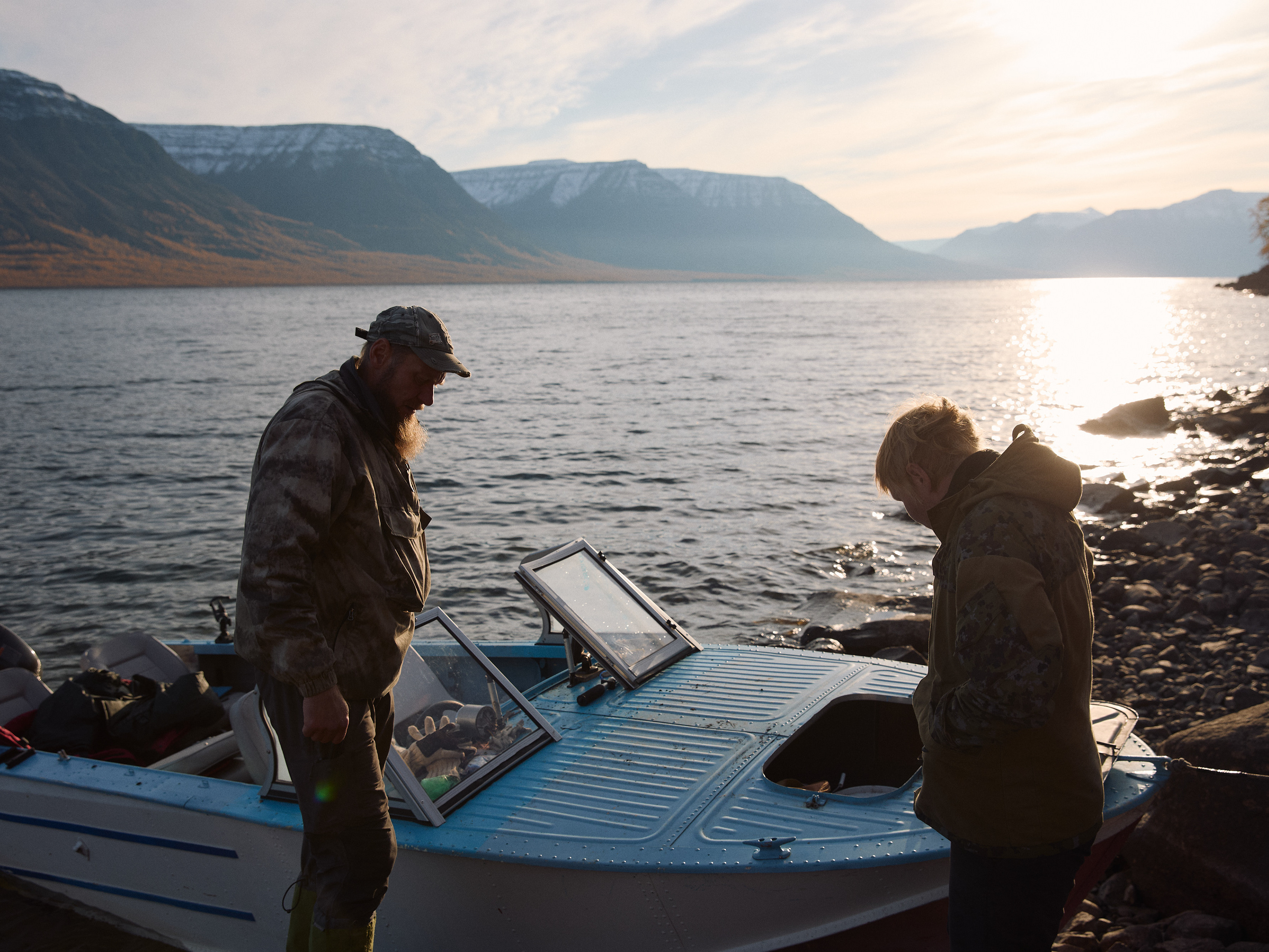
Norilsk
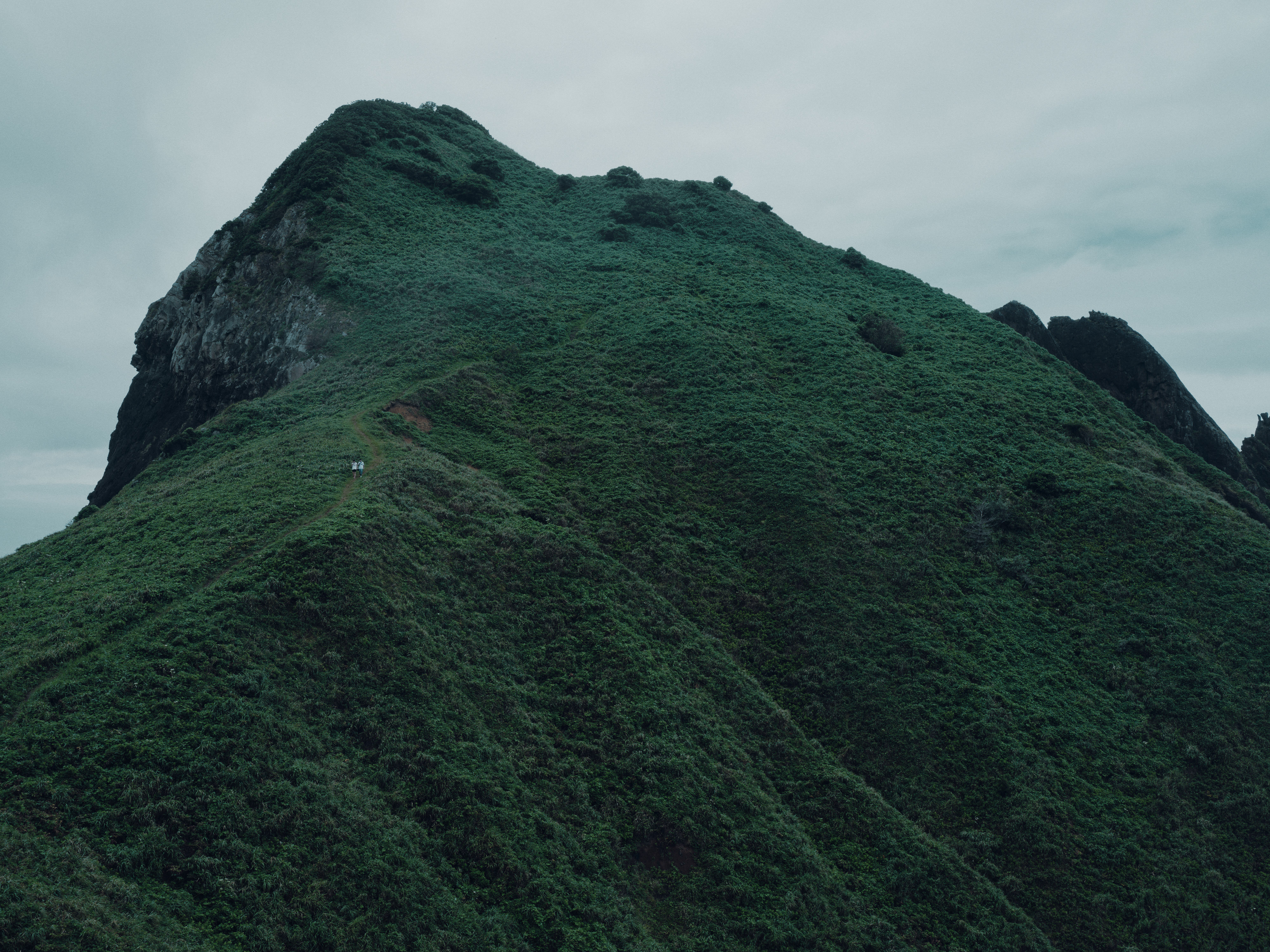
Other Travel Works
Between 2018 and 2020, I traveled to Norilsk in Siberia, the grasslands of Mongolia, and Yakutsk. My purpose was to see for myself how people live and negotiate with nature under extreme cold—realities unimaginable from within urban life in Japan. Buildings raised on permafrost, city streets at minus fifty degrees, nomadic families staying at winter camps to shelter from the wind. As I observed how humans adapt to severe conditions, my interest gradually shifted from "surviving" to "intervening." These experiences became the point of departure for Nature's Treatment, which documents civil engineering interventions applied to the land. 2018年から2020年にかけて、シベリアのノリリスク、モンゴルの草原、ヤクーツクを訪ねた。極寒の環境で人がどのように暮らし、自然とどう折り合っているのか。都市生活の内側からは想像できないその現実を、自分の目で見ることが目的だった。永久凍土の上に立つ建物、氷点下50度の街路、風を避けて冬営地に留まる遊牧民。過酷な条件のもとで人間が環境に適応する姿を観察する中で、関心は次第に「生き延びること」から「介入すること」へ移っていった。この経験が、土木的介入を記録するNature's Treatmentの出発点となっている。